Find Drug & Alcohol Detox Centers in Cincinnati, OH

Detox Centers in Cincinnati

15 Results
Filters
Setting
Medications Offered
Treatment
Programs
Payment Options
Name Address Detox Service Setting Levels Of Care Media

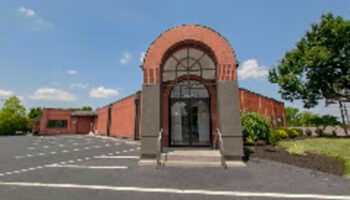
BrightView

6527 Colerain Avenue Cincinnati, OH 45239
Detox Service Setting
Outpatient DetoxMAT
Levels Of Care
OutpatientIntensive Outpatient
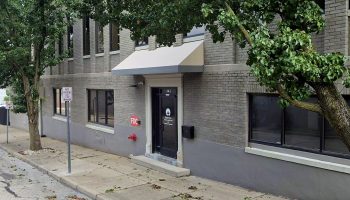
BrightView

BrightView Cincinnati Addiction Treatment Center

446 Morgan Street Cincinnati, OH 45206
Detox Service Setting
Outpatient Detox
Levels Of Care
Outpatient
BrightView Cincinnati Addiction Treatment Center

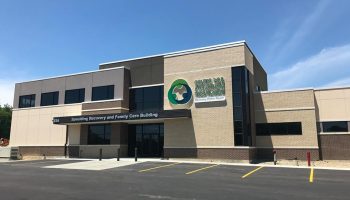
Center for Addiction Treatment (CAT)

830 Ezzard Charles Drive Cincinnati, OH 45214
Detox Service Setting
Inpatient DetoxOutpatient DetoxMAT
Levels Of Care
InpatientOutpatientPHP+1
Center for Addiction Treatment (CAT)

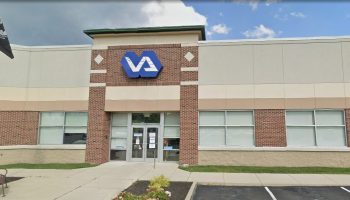
Clermont County VA Clinic

4600 Beechwood Road Cincinnati, OH 45244
Detox Service Setting
Inpatient DetoxOutpatient Detox
Levels Of Care
InpatientOutpatientDual Diagnosis+1
Clermont County VA Clinic

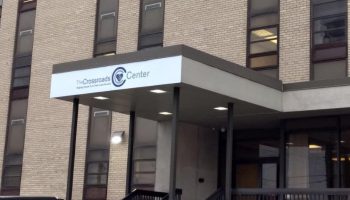
Crossroads Center Chaney Allen Women’s Continuum of Care

311 Martin Luther King Drive East Cincinnati, OH 45220
Detox Service Setting
Inpatient DetoxOutpatient DetoxMAT
Levels Of Care
InpatientOutpatientAftercare+1
Crossroads Center Chaney Allen Women’s Continuum of Care

Sunrise Treatment Center – Forest Park

680 Northland Blvd Cincinnati, OH 45240
Detox Service Setting
Inpatient DetoxOutpatient Detox
Levels Of Care
InpatientOutpatient
Sunrise Treatment Center – Forest Park

Sunrise Treatment Center West side

6460 Harrison Avenue Cincinnati, OH 45247
Detox Service Setting
Outpatient Detox
Levels Of Care
Outpatient
Sunrise Treatment Center West side

TriHealth Alcohol and Drug Treatment Program Clifton Avenue

3219 Clifton Avenue Cincinnati, OH 45220
Detox Service Setting
Outpatient Detox
Levels Of Care
Outpatient
TriHealth Alcohol and Drug Treatment Program Clifton Avenue

TriHealth — Good Samaritan Outpatient

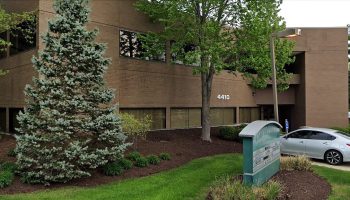
4410 Carver Woods Drive Cincinnati, OH 45242
Detox Service Setting
Outpatient Detox
Levels Of Care
Outpatient
TriHealth — Good Samaritan Outpatient

Legacy Healing Center Cincinnati

4990 E Galbraith Rd Cincinnati, OH 45236
Detox Service Setting
Inpatient DetoxOutpatient Detox
Levels Of Care
InpatientOutpatient

Sunrise Treatment Center – OTR

1718 Central Pkwy Cincinnati, OH 45214
Detox Service Setting
Inpatient DetoxOutpatient Detox
Levels Of Care
InpatientOutpatient

UC Health on Harvey

3131 Harvey Ave Cincinnati, OH 45229
Detox Service Setting
Inpatient DetoxOutpatient Detox
Levels Of Care
InpatientOutpatient

Transitions Drug Rehabilitation and Immediate Care

1650 Russell Street Covington, KY 41011
Detox Service Setting
Inpatient DetoxOutpatient Detox
Levels Of Care
InpatientOutpatientAftercare+2
Transitions Drug Rehabilitation and Immediate Care

Cincinnati VA Medical Center Ft Thomas

1000 South Fort Thomas Avenue Fort Thomas, KY 41075
Detox Service Setting
Inpatient DetoxOutpatient Detox
Levels Of Care
InpatientOutpatientDual Diagnosis+1
Cincinnati VA Medical Center Ft Thomas

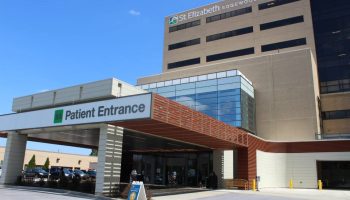
Saint Elizabeth Medical Center Intensive Outpatient Program

200 Medical Village Drive Fort Mitchell, KY 41017
Detox Service Setting
Hospital Detox
Levels Of Care
Saint Elizabeth Medical Center Intensive Outpatient Program

Drug & Alcohol Detox in Cincinnati, OH

Cincinnati’s overdose picture has distinct local features worth understanding before beginning a provider search. Fentanyl has dominated Hamilton County overdose deaths for several years, and local health authorities have flagged rising methamphetamine involvement and the presence of nitazene opioid analogues in drug seizures since 2021. These substances are more potent than fentanyl and can complicate both the withdrawal period and the clinical response needed.

Cincinnati’s drug and alcohol detox network operates under a layered regulatory structure that spans state certification and local county oversight. At the state level, the Ohio Department of Behavioral Health (DBH) is the primary licensing authority for detox and substance use disorder (SUD) treatment facilities, overseeing more than 2,400 behavioral health providers statewide.

Facilities offering detox or withdrawal management services must be certified as Community Behavioral Health Services (CBHS) providers by OhioMHAS (Ohio Department of Mental Health and Addiction Services). A 2023 change to state law now requires providers to hold national accreditation from a SAMHSA-approved body as a prerequisite for OhioMHAS certification, raising the clinical quality baseline across the system.

At the county level, the Hamilton County Mental Health and Recovery Services Board (MHRSB) serves as the local planning, funding and oversight authority under Ohio Revised Code Section 340. MHRSB contracts with a network of community providers and directs publicly funded services to Hamilton County residents.

A practical starting point for anyone seeking publicly funded care is Central Connection (311 Albert Sabin Way; 513-558-8888), a 24/7 access and assessment service that screens eligibility, conducts clinical evaluations and routes people to appropriate levels of care within the county-funded system. Hamilton County also operates a Quick Response Team (QRT) that proactively reaches out to people who have recently survived a non-fatal overdose to offer treatment connections and support.

Knowing how to choose a detox center that matches your substance history and level of medical risk is an important first step before contacting any specific program.


Paying for Detox in Cincinnati

Detox costs in Cincinnati vary significantly based on the level of care, the substance involved, the length of stay and whether medically managed withdrawal with prescription medications is required. Understanding the general cost of detox treatment before reaching out to providers can help you compare options and ask the right questions.

How Much Does Detox Cost in Cincinnati?

Cost in the Cincinnati area is influenced most by whether care takes place in a hospital-level inpatient setting, a residential program or an outpatient clinic. Opioid and alcohol detox typically require closer monitoring and longer stays. The figures below reflect self-pay ranges reported by Cincinnati-area providers and Ohio-wide treatment cost data; insurance coverage typically reduces out-of-pocket costs substantially.

$500 to $1,500 per day (hospital or inpatient)
Medical Detox
$6,000 to $20,000 per month for standard care; up to $80,000 per month for premium programs
Inpatient Rehab
$1,000 to $5,000 per course of treatment
Outpatient Rehab
$3,000 to $5,000 annually for buprenorphine-based programs; approximately $7,000 to $8,000 annually for methadone maintenance
Methadone Treatment

Medicare and Medicaid in Cincinnati

Medicare

Medicare covers medically necessary detox services for eligible Cincinnati residents, including inpatient hospitalization for withdrawal management under Part A and outpatient services under Part B. Opioid Treatment Program (OTP) services, including methadone and buprenorphine, are covered under the OTP bundled payment benefit that took effect in 2020.

Medicaid

Ohio Medicaid covers detox, residential SUD treatment, outpatient programs and all three primary MAT medications, with minimal or no copays for most enrolled individuals. Ohio operates an active SUD 1115 Demonstration Waiver that extends Medicaid coverage to short-term residential detox programs beyond standard inpatient limits. That waiver is currently operating under a temporary extension through the end of 2025, with a five-year renewal application pending before CMS. Income eligibility for Medicaid expansion in Ohio is set at or below 138% of the federal poverty level, which was approximately $20,783 per year for a single adult in 2024.

Other Ways to Pay for Detox Treatment

Cost should not prevent anyone from getting help in Cincinnati. Several alternatives exist for people without insurance or with gaps in coverage:

Sliding Scale Fees

The Center for Addiction Treatment (830 Ezzard Charles Drive) and the Addiction Services Council (3020 Vernon Place) both use sliding fee scales based on income, allowing clients with limited means to access services at reduced cost.

Publicly Funded Programs

Hamilton County MHRSB funds community-based detox and treatment through its contracted provider network. Central Connection (513-558-8888) screens financial eligibility during intake and routes eligible residents to county-funded services at low or no cost.

Veterans Programs

The Cincinnati VA Medical Center provides SUD treatment, residential detox programming and MAT for eligible veterans through VA benefits at no cost.

Culturally Specific Programs

UMADAOP Cincinnati (Urban Minority Alcoholism and Drug Abuse Outreach Program) offers prevention, intervention and treatment services tailored to African American and Hispanic communities, with funding structures designed to reduce financial barriers.

Payment Plans

Many private Cincinnati facilities offer in-house financing or partner with third-party lenders to create manageable payment arrangements for self-pay patients.

Cincinnati, Ohio Regulations and Accreditation for Detox

Drug and alcohol detox facilities in Cincinnati are governed by a multi-agency framework spanning state certification, federal compliance requirements and local planning authority. Knowing which agencies oversee these programs can help people confirm that a provider is properly licensed before beginning treatment.

Ohio Department of Behavioral Health (DBH)

The DBH Licensure and Certification division is the primary statewide regulatory authority for behavioral health providers, including detox and SUD residential programs. DBH certifies facilities as CBHS providers, separately licenses Opioid Treatment Programs (OTPs), investigates reportable incidents and complaints and has the authority to suspend or revoke certifications for non-compliance with Ohio Administrative Code standards. Learn more at dbh.ohio.gov.

OhioMHAS (Ohio Department of Mental Health and Addiction Services)

OhioMHAS sets the clinical standards and program rules for certified community behavioral health services statewide. Since 2023, OhioMHAS has required providers to hold national accreditation from a SAMHSA-approved accrediting body as a condition of CBHS certification. OhioMHAS also administers the federal SUD 1115 Demonstration Waiver and oversees compliance with Medicaid provider requirements for behavioral health services. Learn more at mha.ohio.gov.

Hamilton County Mental Health and Recovery Services Board (MHRSB)

The MHRSB is the local statutory planning, funding, and evaluation authority for public behavioral health services in Hamilton County under ORC Section 340. The board contracts with community agencies, monitors service quality and coordinates the county’s public response to addiction. MHRSB does not provide direct care, but its contracted network is the primary access point for publicly funded detox and treatment in the Cincinnati area. Learn more at hcmhrsb.org.

Key MAT Medications and Regulatory Status in Cincinnati

Medication-assisted treatment in Cincinnati follows federal and state rules governing controlled substance prescribing and OTP certification. Ohio Medicaid covers all three primary FDA-approved medications for opioid use disorder, and buprenorphine access has expanded significantly since federal prescribing restrictions were eased in 2023.

Buprenorphine

Widely available in Cincinnati through office-based opioid treatment (OBOT) clinics, federally qualified health centers, and telehealth providers. The federal Mainstreaming Addiction Treatment Act (2023) eliminated the X-waiver requirement, so any DEA-registered clinician may now prescribe buprenorphine for OUD. Ohio Medicaid covers buprenorphine as a standard pharmacy benefit with low or no copay.

Methadone

For opioid use disorder treatment, methadone dispensing is restricted to SAMHSA-certified and DBH-licensed OTPs. Cincinnati has multiple active certified OTPs. Daily clinic visits are required at treatment initiation, though take-home doses become available for patients with stable treatment records. Ohio Medicaid covers methadone dispensed at certified OTPs.

Naltrexone

Available without the prescribing restrictions that apply to buprenorphine and methadone. The extended-release injectable form (Vivitrol) is commonly used for both opioid use disorder and alcohol use disorder and carries no abuse potential. Naltrexone requires complete detox before initiation. Ohio Medicaid covers both oral tablets and injectable naltrexone.

Overdose Prevention and Harm Reduction in Cincinnati

Cincinnati has one of the more developed harm reduction networks in Ohio. Given that fentanyl has been detected in more than 80% of Hamilton County overdose deaths in recent years, access to naloxone, drug testing supplies and linkage-to-treatment services is an active public health priority across the region.

All of the programs below provide services without requiring a person to be enrolled in or seeking treatment.

Caracole

24/7/365 harm reduction vending machine (naloxone, fentanyl test strips, safer-use supplies, safer smoking kits) Weekly syringe services program (co-hosted with Hamilton County Public Health on Thursdays) Free naloxone by call or walk-in (spray and intramuscular) HIV and hepatitis C testing and prevention resources

Located at 4138 Hamilton Avenue in Cincinnati, Caracole operates one of the first harm reduction vending machines in the United States, launched in partnership with the University of Cincinnati in 2021. Participants use a personalized access code to retrieve free supplies around the clock. First-time visitors can walk in Monday through Friday or call (513) 399-6969 to register. caracole.org

Hamilton County Public Health Safe Services Program

Syringe exchange at multiple Hamilton County locations Naloxone (Narcan) distribution Fentanyl test strips Wound care (added in 2024) Drug seizure surveillance and public alerts for emerging substances Harm reduction vending machines at strategic county locations

Hamilton County Public Health expanded its harm reduction vending machine network in 2023 and 2024, placing units at multiple county locations to provide 24/7 access to naloxone and safer-use supplies. The program also conducts real-time drug seizure surveillance and has issued public alerts about nitazene opioid analogues detected in the local supply since 2021. hamiltoncountyhealth.org

Cincinnati Health Department Safe Places Program

Syringe exchange at city locations (in partnership with Hamilton County Public Health) Naloxone Distribution Center (NDC) operated by a city chemical dependency counselor Targeted outreach to high-overdose-risk areas using real-time EMS hot spot data Community health education

The Cincinnati Health Department funds and staffs syringe exchange locations within city limits and operates a Naloxone Distribution Center that actively pushes naloxone into high-risk areas of the community based on overdose data received from law enforcement and EMS. The city contributes both staff time and funding to support the Hamilton County syringe services partnership. cincinnati-oh.gov/health

Harm Reduction Ohio

Mail-order naloxone statewide (free, no prescription required) Online ordering of safer-use supplies An interactive county-by-county map of syringe service programs across Ohio Overdose education and policy advocacy

Harm Reduction Ohio provides a statewide mail-order naloxone program for Ohioans who cannot reach an in-person program. Orders can be placed directly through the organization’s website. The organization’s updated syringe service program map is a reliable tool for locating active exchange sites by county throughout Ohio. harmreductionohio.org

Detox Statistics in Cincinnati, Ohio

Fentanyl remains the dominant driver of overdose deaths, though local public health efforts have produced measurable declines in mortality over the past several years. The data below reflects recent overdose trends and substance use patterns specific to Cincinnati and Hamilton County.

Overdose Mortality Rate Fell to 37.2 per 100,000

Hamilton County’s drug overdose mortality rate fell from 47.7 per 100,000 residents in 2021 to 37.2 per 100,000 in 2023, continuing a three-year downward trend. Source: Hamilton County Public Health Overdose Surveillance Community Needs Assessment, 2024.

Fentanyl Involved in 82% of Overdose Deaths

Fentanyl and related substances were detected in 82% of Hamilton County overdose deaths in 2023, making it the leading cause of fatal overdoses in the county. Source: Hamilton County Public Health Overdose Surveillance Community Needs Assessment, 2024.

Fentanyl-Related Deaths Down About 10% Since 2022

Fentanyl-related overdose deaths in Hamilton County declined approximately 10% between 2022 and 2024, while deaths involving methamphetamine trended upward over the same period. Source: Hamilton County Public Health, reported by NewsChannel 9, April 2025.

FAQs About Detox in Cincinnati, OH

What is the main entry point for publicly funded detox in Cincinnati?

Central Connection (311 Albert Sabin Way; 513-558-8888) is the 24/7 intake and assessment service for Hamilton County’s public behavioral health system. Staff conduct clinical evaluations, screen financial eligibility and authorize referrals to county-funded detox and treatment providers. The line operates around the clock, including nights, weekends and holidays.

Does Ohio Medicaid cover detox and residential treatment?

Yes. Ohio Medicaid covers medically necessary detox, residential SUD treatment, outpatient programs, and all three primary MAT medications. Ohio’s SUD 1115 Demonstration Waiver extends Medicaid coverage to short-term residential detox programs beyond standard inpatient limits. Most detox services carry minimal or no copay for enrolled members.

How do I decide between inpatient and outpatient detox?

The right level depends on the substance involved, how long you have been using, your physical health status and your home environment. Alcohol and benzodiazepine withdrawal carry seizure risk and typically require inpatient medical detox with around-the-clock supervision, while opioid withdrawal is physically uncomfortable but is often managed on an outpatient basis for medically stable individuals. A licensed clinician or Central Connection’s assessment team can help determine which level is appropriate.

Is buprenorphine (Suboxone) easy to access in Cincinnati?

Yes. Since the federal X-waiver requirement was eliminated in 2023, any DEA-registered clinician can prescribe buprenorphine for opioid use disorder. Cincinnati has a range of office-based opioid treatment providers, federally qualified health centers and telehealth services offering buprenorphine initiation. Ohio Medicaid covers it as a standard pharmacy benefit.

Are there detox programs for people with co-occurring mental health conditions?

Yes. Several Cincinnati providers are licensed to treat co-occurring substance use and mental health conditions in an integrated setting. Hamilton County MHRSB’s contracted network includes programs that address both conditions simultaneously. When evaluating providers, ask specifically whether the program is licensed for dual diagnosis treatment or whether mental health care is provided separately.

Is naloxone (Narcan) available for free in Cincinnati?

Yes. Free naloxone is available from multiple sources in Cincinnati, including Caracole (4138 Hamilton Ave), Hamilton County Public Health syringe exchange sites, the Cincinnati Health Department’s Naloxone Distribution Center and the Harm Reduction Ohio statewide mail-order program at harmreductionohio.org. Many Ohio pharmacies also dispense naloxone without a prescription under the state’s standing order.

Two people talking
Get Help Today!
If you or a loved one is in need of help, call today. Pick up the phone and get the help you need.
800-483-2193
Confidential. Available 24 Hours
Get Help Today Phone icon 800-779-4314