916-299-0679
Elevate Addiction Services
Watsonville, CA
95076



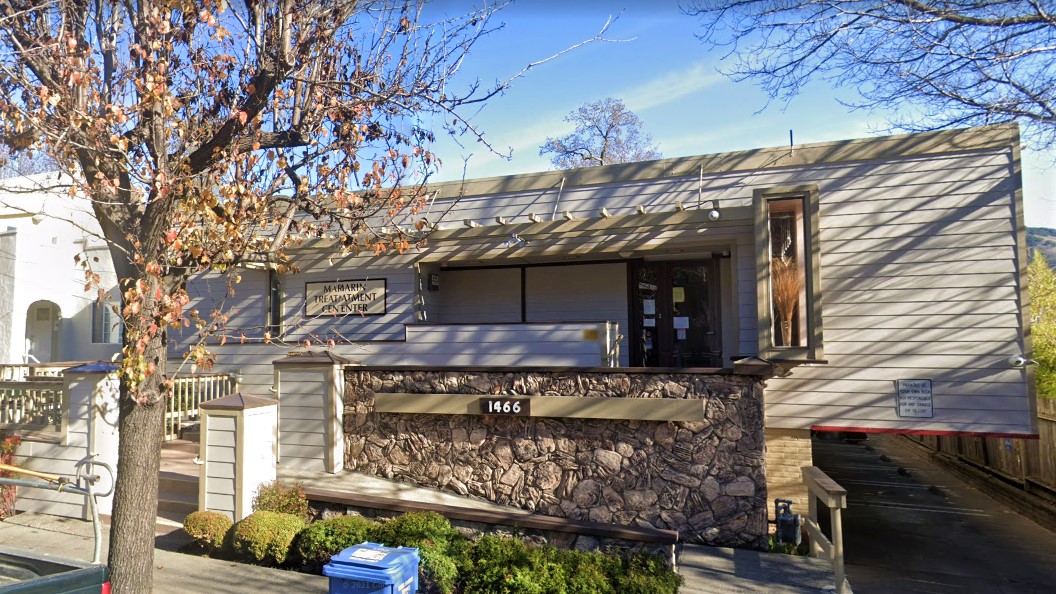
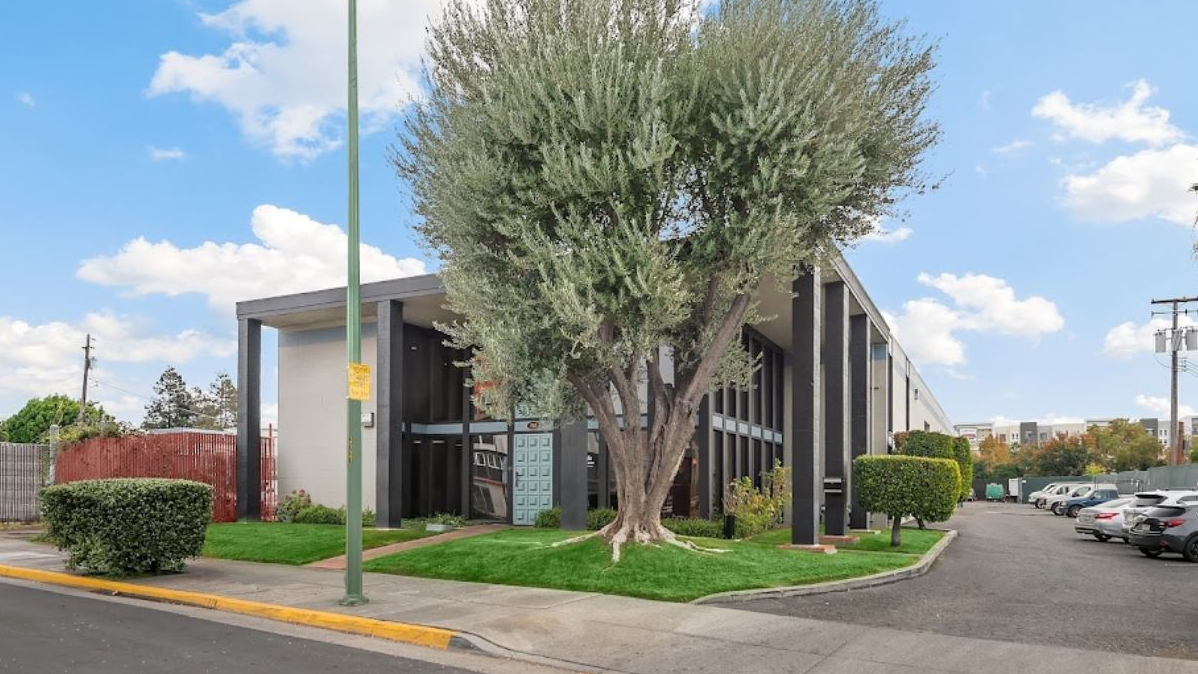
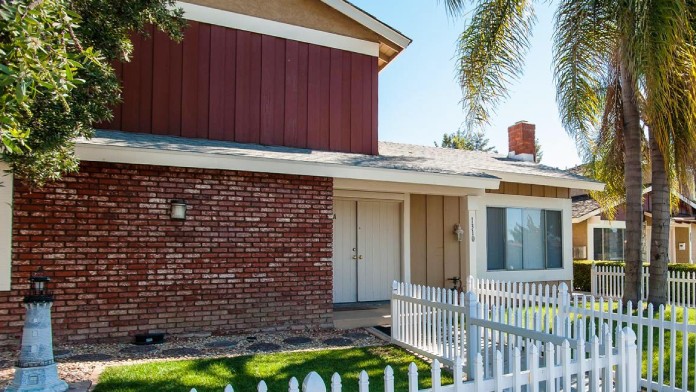
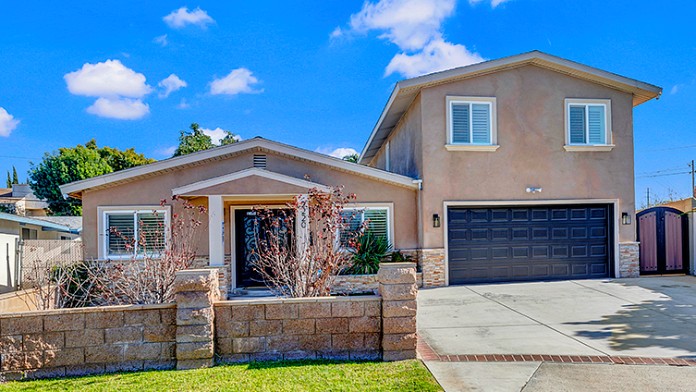
| Name | Address | Detox Service Setting | Levels Of Care | Media |
|---|---|---|---|---|
Concise Recovery Center |
4809 Lowell Avenue Glendale, CA 91214 |
Detox Service Setting
Inpatient DetoxOutpatient DetoxMAT
|
Levels Of Care
InpatientPHPOutpatient+3
|

|
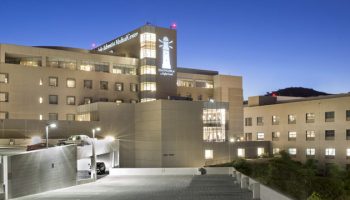
Glendale Adventist Alcohol/Drug Servs (GAADS) |
335 Mission Road Glendale, CA 91205 |
Detox Service Setting
Inpatient DetoxHospital Detox
|
Levels Of Care
|
|
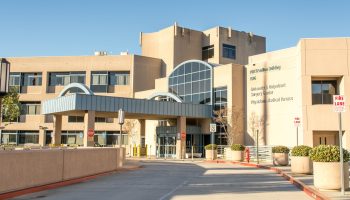
Glendale Adventist Behavioral Health Services |
1509 Wilson Terrace Glendale, CA 91206 |
Detox Service Setting
Inpatient DetoxOutpatient Detox
|
Levels Of Care
InpatientOutpatientAftercare+2
|
|
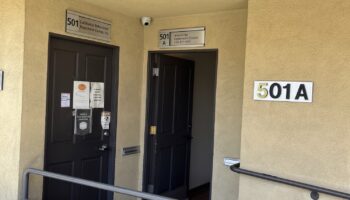
Jc Treatment Center |
501 East Harvard Street Glendale, CA 91205 |
Detox Service Setting
Inpatient DetoxOutpatient Detox
|
Levels Of Care
InpatientOutpatient
|
|
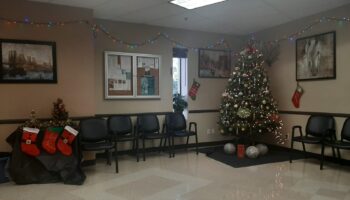
Western Pacific Med Corp |
4544 San Fernando Road Glendale, CA 91204 |
Detox Service Setting
Outpatient DetoxMAT
|
Levels Of Care
Outpatient
|
|
Luxe Recovery |
3787 Prestwick Dr. Los Angeles, CA 90027 |
Detox Service Setting
Inpatient DetoxOutpatient Detox
|
Levels Of Care
InpatientOutpatient
|

|
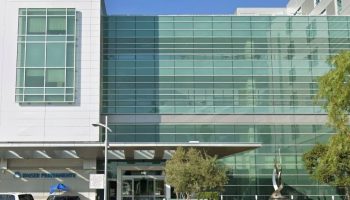
Kaiser Permanente Addictions |
4867 W Sunset Blvd Los Angeles, CA 90027 |
Detox Service Setting
Outpatient Detox
|
Levels Of Care
OutpatientDual Diagnosis
|
|
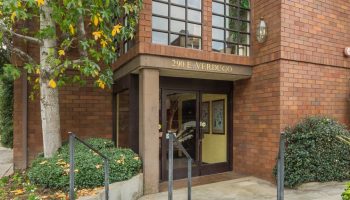
Miracles in Action |
290 East Verdugo Avenue Burbank, CA 91502 |
Detox Service Setting
Inpatient DetoxOutpatient DetoxMAT
|
Levels Of Care
InpatientPHPOutpatient+4
|
|
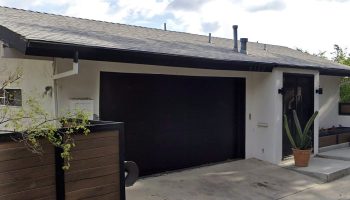
Alta Centers Detox |
6100 Rodgerton Drive Los Angeles, CA 90068 |
Detox Service Setting
Inpatient DetoxOutpatient DetoxMAT
|
Levels Of Care
InpatientPHPOutpatient+2
|
|
Van Ness Recovery House |
1919 North Beachwood Drive Los Angeles, CA 90068 |
Detox Service Setting
Inpatient Detox
|
Levels Of Care
InpatientDual DiagnosisSober Living
|

|
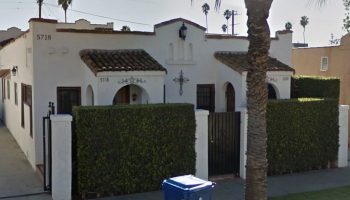
La Fuente Hollywood Treatment Center |
5718 Fountain Avenue Los Angeles, CA 90028 |
Detox Service Setting
Inpatient DetoxOutpatient Detox
|
Levels Of Care
InpatientOutpatientDual Diagnosis+2
|
|
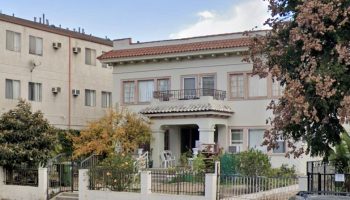
McIntyre House |
544 North Kenmore Avenue Los Angeles, CA 90004 |
Detox Service Setting
Inpatient Detox
|
Levels Of Care
InpatientAftercareDual Diagnosis+1
|
|
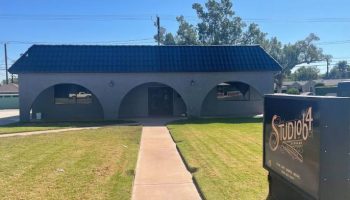
Studio 64 Recovery |
1716 W Burbank Blvd Burbank, CA 91506 |
Detox Service Setting
Inpatient DetoxOutpatient Detox
|
Levels Of Care
InpatientOutpatient
|
|
Resolve Recovery |
6109 Afton Place Los Angeles, CA 90028 |
Detox Service Setting
Inpatient Detox
|
Levels Of Care
InpatientAftercareDual Diagnosis+1
|

|
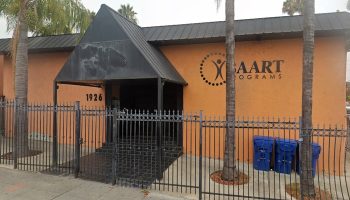
BAART Programs – Beverly |
1926 Beverly Boulevard Los Angeles, CA 90057 |
Detox Service Setting
Outpatient Detox
|
Levels Of Care
OutpatientAftercare
|
|
Glendale is a city of approximately 200,000 in Los Angeles County, situated between Burbank and Pasadena at the base of the Verdugo Mountains. Because it falls within Los Angeles County, its detox and substance use treatment programs operate under a two-layer regulatory structure, covering state licensure and county oversight.
The California Department of Health Care Services (DHCS) holds sole authority to license residential nonmedical alcohol and drug recovery or treatment facilities statewide. Any Glendale facility offering detoxification, individual or group sessions or recovery and treatment planning must carry an active DHCS license.
Outpatient programs that provide SUD detox or medication for addiction treatment are separately required to obtain DHCS certification under California Health and Safety Code Section 11832.
At the county level, the Los Angeles County Substance Abuse Prevention and Control (SAPC) bureau contracts publicly funded SUD treatment through more than 100 community-based organizations, reaching approximately 275,000 individuals per year. For Glendale residents seeking low- or no-cost care, SAPC is the primary access point into that publicly funded system.
At the city level, Glendale’s Police Department maintains a Mental Health Evaluation Team (MHET) in partnership with the Los Angeles County Department of Mental Health. The MHET pairs officers with county clinicians to provide crisis intervention and direct referrals to care rather than arrest for people experiencing substance use crises in the community.
DHCS began rolling out a new digital inspection tracking platform in 2024 to support timelier compliance reviews across licensed facilities statewide. People can verify a facility’s license status through the DHCS online database before committing to care.
Understanding the difference between licensed and certified programs is a practical first step when you are considering addiction treatment. Therefore, choosing a detox center that is both licensed and accredited ensures you are getting the best care possible.
The cost of medically supervised detox in the Los Angeles County region varies by program level and setting. Medical detox typically runs $1,000 to $1,500 per day at private facilities. A five-to-seven-day medically managed withdrawal stay can total $5,000 to $10,000 or more, depending on clinical complexity and facility type.
Outpatient detox programs, where a person attends daily or frequent clinical check-ins and returns home each evening, carry substantially lower costs.
Los Angeles County is enrolled in the Drug Medi-Cal Organized Delivery System (DMC-ODS), which means Medi-Cal covers a full spectrum of SUD services, including inpatient detox for up to 90 days, outpatient programs and medication-assisted treatment. Furthermore, most Medi-Cal enrollees pay no premium or copay for covered services.
LA Care Health Plan, which serves more than 2.5 million members in Los Angeles County, is the county’s dominant Medi-Cal managed care plan and covers SUD treatment through its contracted provider network.
In January 2024, California expanded Medi-Cal eligibility to all low-income adults regardless of immigration status, adding an estimated 700,000 newly eligible residents statewide.
The private insurers most commonly accepted at detox and SUD treatment programs in the Glendale and greater Los Angeles area include:

Medicare covers inpatient and outpatient detox services at Glendale-area facilities that accept it, including medically supervised withdrawal under Part A and outpatient SUD treatment under Part B. Certified Opioid Treatment Programs billing methadone through Part B are also covered. Copays and deductibles vary by plan and treatment setting.
Medi-Cal, California’s Medicaid program, covers inpatient detox for up to 90 days, outpatient programs, and all three MAT medications through the Drug Medi-Cal Organized Delivery System (DMC-ODS). Most enrollees pay no premium or copay. As of January 2024, eligibility expanded to all low-income adults regardless of immigration status.
For people who do not qualify for Medi-Cal and cannot afford private-pay rates, several alternate payment options are available, including:
SUD treatment facilities in Glendale operate under an overlapping set of state licensing requirements, county oversight standards and voluntary national accreditation frameworks. Three primary regulatory entities govern the oversight structure:
DHCS holds sole authority under California Health and Safety Code Chapter 7.5 to license residential nonmedical alcohol and drug recovery facilities statewide.DHCS also certifies outpatient SUD programs providing detox or medication for addiction treatment.
Licensed facilities are required to hold at least one DHCS Level of Care Designation, and compliance inspections are conducted on a regular schedule. License and certification status can be verified through the DHCS online database.
SAPC administers the Drug Medi-Cal Organized Delivery System for all of Los Angeles County, setting programmatic and fiscal standards for every publicly contracted SUD treatment provider.
Providers must meet minimum requirements established by SAPC before receiving a Drug Medi-Cal contract. SAPC also conducts ongoing oversight of contracted organizations and manages the county’s Service and Bed Availability Tool (SBAT), which shows real-time capacity at publicly funded programs.
Both The Joint Commission and CARF International offer voluntary national accreditation for SUD treatment facilities. While not required by California law, accreditation from either body is widely used as a quality marker.
A DHCS-licensed program that also carries Joint Commission or CARF accreditation has met an additional layer of clinical and operational standards.
Medication-assisted treatment (MAT) is supported by SAMHSA, the National Institutes of Health, and the American Society of Addiction Medicine as the standard of care for opioid and alcohol use disorders.
Licensed detox facilities in Glendale and across LA County can offer MAT during medically supervised withdrawal and coordinate transition into ongoing maintenance.
Buprenorphine (brand names Suboxone, Subutex, Zubsolv) is a partial opioid agonist used to manage opioid withdrawal and reduce cravings. California’s Medi-Cal program covers buprenorphine without prior authorization.
The elimination of the federal X-waiver requirement in 2023 means any licensed prescriber can now initiate buprenorphine treatment, increasing access substantially in settings across Glendale and LA County.
Methadone for opioid use disorder remains restricted to federally certified Opioid Treatment Programs (OTPs). Initial dosing requires daily in-clinic attendance, which can present a logistical challenge.
Medi-Cal covers methadone at certified OTPs and several OTPs operate within reasonable distance of Glendale in the San Fernando Valley and central Los Angeles.
Naltrexone (brand name Vivitrol in its monthly injectable form) is a non-addictive opioid antagonist used for both opioid and alcohol use disorder. It carries no abuse potential and requires no special prescriber licensing.
The injectable form eliminates the compliance burden of daily oral dosing and is fully covered by Medi-Cal, making it a practical option for people completing detox who prefer a longer-acting maintenance medication.
Fentanyl and methamphetamine have driven the large majority of overdose deaths across Los Angeles County in recent years, including in communities throughout the Verdugo foothills area near Glendale.
While LA County recorded a 37% drop in fentanyl overdose deaths in 2024, fentanyl still accounted for 52% of all accidental overdose deaths countywide that year, and the synthetic opioid remains a serious risk to anyone using drugs in this region.
To help combat this issue, harm reduction services in and around Glendale offer naloxone, safer use supplies and direct referrals to treatment without requiring abstinence or formal enrollment.
Founded in 1992, CHPLA is one of the longest-running harm reduction organizations in Los Angeles County.
Their fixed Naloxone Access Point (NAP) site at 900 N. Western Ave. in East Hollywood operates Monday through Friday for syringe services and on Wednesday mornings from 9 a.m. to 1 p.m. for naloxone access.
The East Hollywood location is the closest CHPLA fixed site to Glendale, and CHPLA mobile outreach reaches multiple neighborhoods county-wide.
The program distributes more than 1.1 million sterile syringes annually and provided over 10,000 naloxone kits in the most recent reporting period.
LA County SAPC funds a network of community-based Engagement and Overdose Prevention (EOP) Hubs operating across the county. These hubs provide a range of harm reduction services on regular schedules at mobile and fixed sites.
Glendale residents can call the county’s combined mental health and substance use crisis and referral line at (800) 854-7771 (24/7) to reach a specialist who can identify the nearest active hub locations and connect callers to treatment options.
The California DHCS Naloxone Distribution Project provides free naloxone to eligible organizations throughout the state.
Since its launch in 2018, the NDP has supported more than 400,000 documented overdose reversals statewide. In 2024, DHCS added a generic 4mg naloxone nasal spray through the CalRx Naloxone Access Initiative, expanding supply capacity.
Local organizations serving Glendale residents can apply through the DHCS website to receive direct shipments.
211 LA provides a single entry point for anyone in Los Angeles County looking for harm reduction services, naloxone access or connection to SUD treatment.
By calling or texting 211, Glendale residents can reach a trained specialist who can identify the nearest syringe service sites, naloxone distribution points and local treatment options, including services available in Armenian, Korean and Spanish.
Los Angeles County has seen meaningful movement in its overdose and substance use data over the past two years.
The figures below cover the county as a whole; Glendale-specific data is not published separately by local authorities, but county trends reflect the regional environment in which Glendale sits.
LA County recorded 2,438 accidental drug overdose and poisoning deaths in 2024, down from 3,137 in 2023, the largest single-year decline in county history and the lowest total since 2019.
Fentanyl-related overdose deaths fell 37% in LA County in 2024 to 1,263 total, the first recorded decline since the county began routinely testing for fentanyl in overdose deaths. Fentanyl was involved in 52% of all accidental overdose deaths in the county that year.
A 2024 SAPC analysis estimated that approximately 1,482,612 LA County residents aged 12 and older likely needed substance use disorder treatment, based on a 17.3% prevalence rate, yet only a small fraction of that population received services in publicly funded programs.
Many detox and SUD treatment facilities in and near Glendale accept Medi-Cal. Los Angeles County participates in the Drug Medi-Cal Organized Delivery System (DMC-ODS), which covers inpatient detox for up to 90 days, outpatient programs and medication-assisted treatment with no premium or copay for most enrollees.
California expanded Medi-Cal eligibility in January 2024 to include all low-income adults regardless of immigration status.
Contact facilities directly to confirm whether they hold an active DMC-ODS contract with LA County SAPC, and call (800) 854-7771 to be connected to publicly funded options.
At private facilities in the greater Los Angeles area, medical detox typically runs $1,000 to $1,500 per day. A five-to-seven-day stay can total $5,000 to $10,000 or more, depending on the level of medical supervision, duration and individual clinical needs.
As well, many facilities offer sliding scale fees, payment plans or access to county-funded beds for uninsured patients.
Calling LA County SAPC at (800) 854-7771 can connect you to programs that serve uninsured residents at low or no cost.
Yes. Buprenorphine, methadone and naltrexone are available through licensed SUD treatment providers in and near Glendale.
Buprenorphine can be prescribed in office-based settings by any licensed prescriber since the federal X-waiver was eliminated in 2023. Methadone for opioid use disorder is restricted to certified Opioid Treatment Programs. The monthly injectable naltrexone (Vivitrol) is available without special licensing. Medi-Cal covers all three medications for eligible patients.
Inpatient detox provides 24-hour medical supervision in a residential setting and is generally recommended for people withdrawing from alcohol, benzodiazepines or high-dose opioids, all of which carry an elevated risk of serious complications, including seizures.
Conversely, outpatient detox allows a person to live at home and attend daily or frequent clinical check-ins, making it appropriate for people with milder physical dependence, stable housing and strong support systems.
A clinical intake assessment typically determines which level is medically appropriate.
LA County SAPC funds publicly available treatment services for all LA County residents, regardless of insurance or immigration status.
Call (800) 854-7771 to reach the 24/7 line, which now handles both mental health and substance use referrals following a July 2024 consolidation of two separate county helplines.
You can also search the DHCS treatment locator at dhcs.ca.gov, use the LA County SAPC Service and Bed Availability Tool (SBAT) for real-time capacity information, or contact 211 LA by calling or texting 211.
Intake typically includes a clinical assessment covering substance use history, physical health, mental health, prior treatment experiences and current living situation.
A physician, nurse practitioner or licensed clinician will evaluate your withdrawal risk and determine the appropriate level of care. Most facilities also complete a financial screening at intake to identify Medi-Cal eligibility, private insurance coverage or sliding scale qualification.
Bringing any insurance cards, a list of current medications and existing medical records can help speed the process.