

 916-299-0679
Elevate Addiction Services
Watsonville, CA
95076

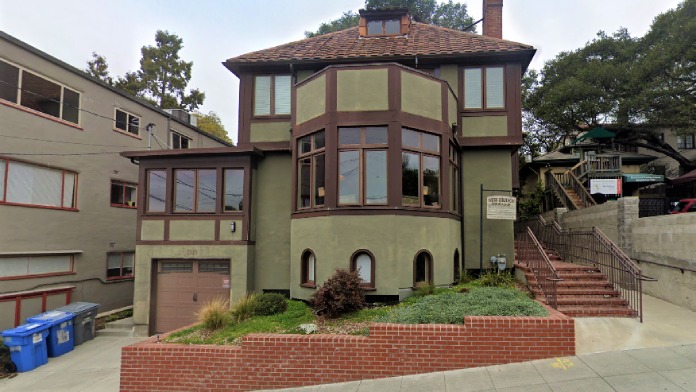

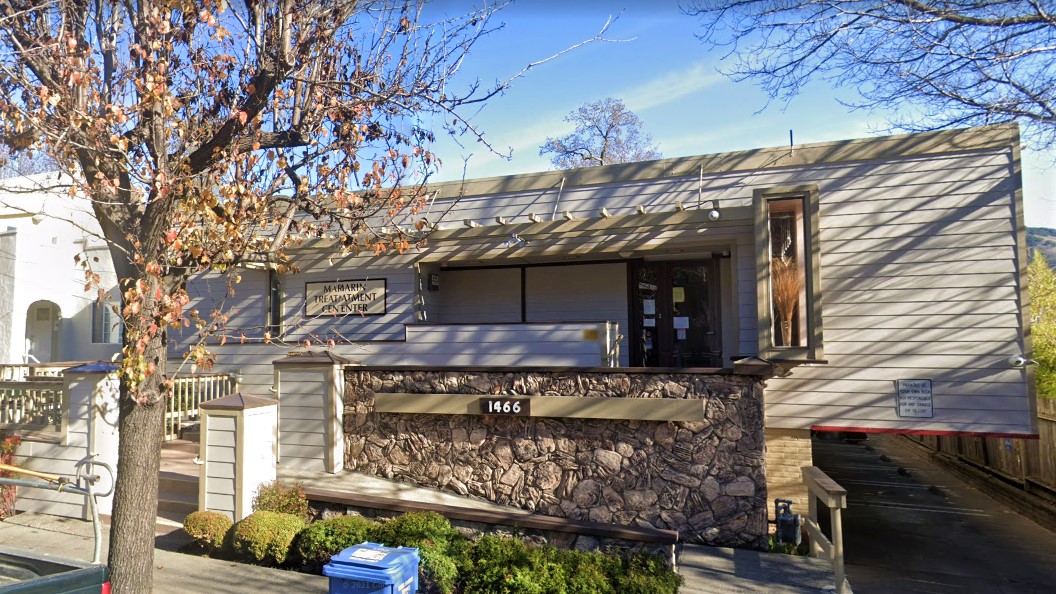
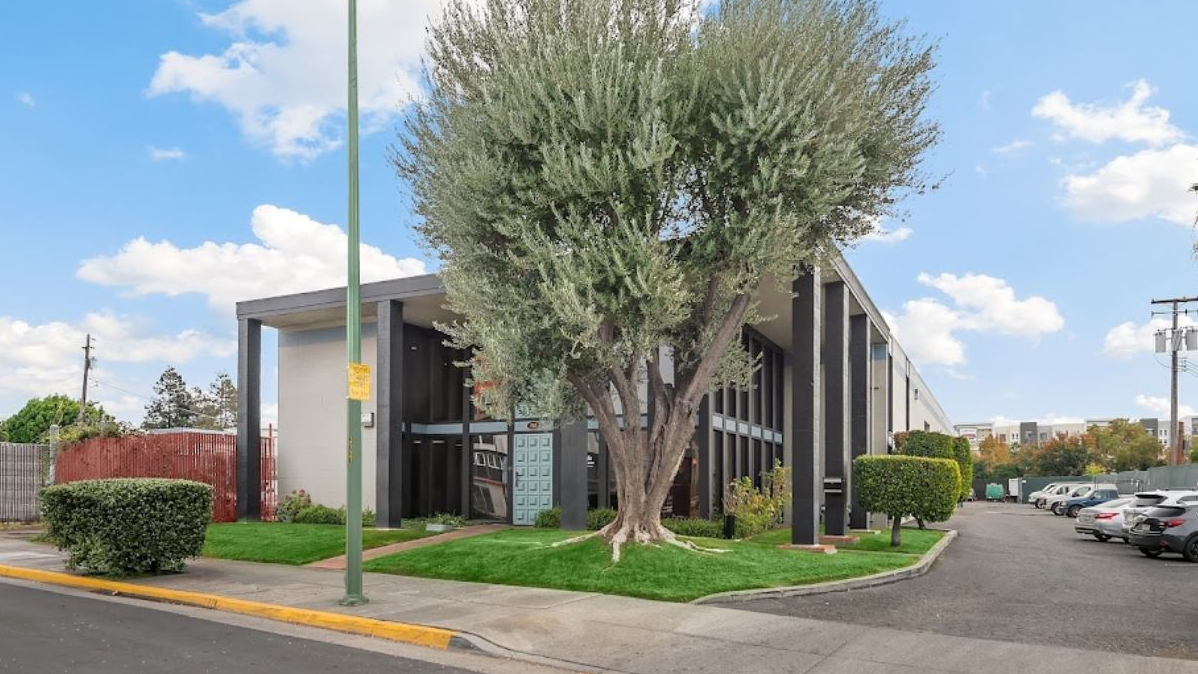
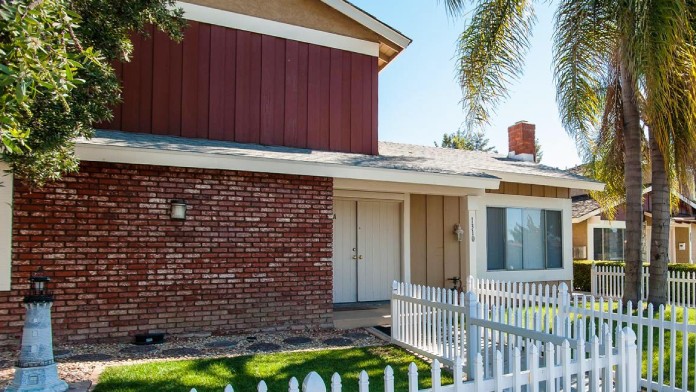
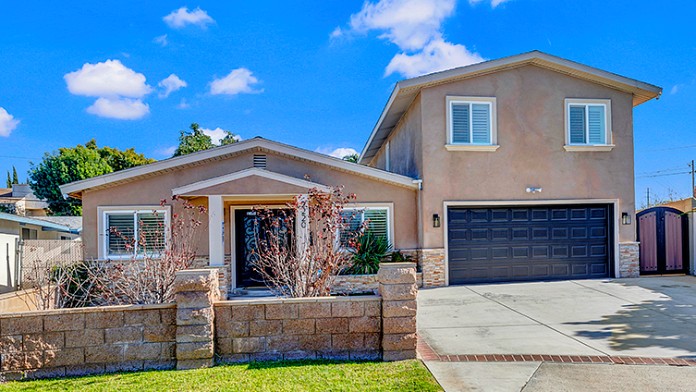
| Name | Address | Detox Service Setting | Levels Of Care | Media |
|---|---|---|---|---|
Aspire Counseling Services |
21080 Centre Pointe Pkwy Suite 101 Santa Clarita, CA 91350 |
Detox Service Setting
Inpatient DetoxOutpatient Detox
|
Levels Of Care
InpatientOutpatient
|
|
Healthy Living Residential Program Santa Clarita |
22512 Garzota Dr Santa Clarita, CA 91350 |
Detox Service Setting
Inpatient DetoxOutpatient Detox
|
Levels Of Care
InpatientOutpatient
|
|
Oaks of Hope |
26525 Josel Dr Santa Clarita, CA 91387 |
Detox Service Setting
Inpatient DetoxOutpatient Detox
|
Levels Of Care
InpatientOutpatient
|
|
Saving My Tomorrow |
15521 Sandra Lane Sylmar, CA 91342 |
Detox Service Setting
Inpatient Detox
|
Levels Of Care
InpatientDual Diagnosis
|
|
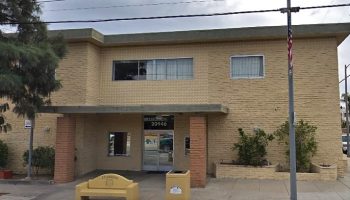
ALT Recovery Group Chatsworth |
20946 Devonshire St Chatsworth, CA 91311 |
Detox Service Setting
Inpatient DetoxOutpatient Detox
|
Levels Of Care
InpatientOutpatient
|
|
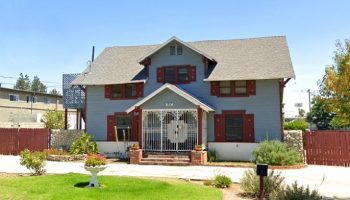
San Fernando Recovery Center |
762 Griswold Ave San Fernando, CA 91340 |
Detox Service Setting
Inpatient DetoxOutpatient Detox
|
Levels Of Care
InpatientOutpatient
|
|
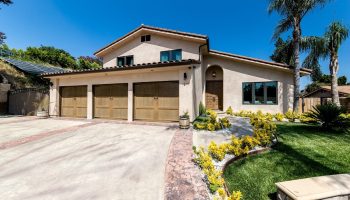
Wish Recovery Luxury Rehab and Detox |
9460 Wish Avenue Northridge, CA 91325 |
Detox Service Setting
Inpatient Detox
|
Levels Of Care
InpatientDual Diagnosis
|
|
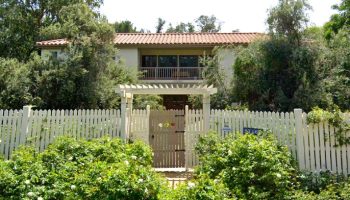
Golden Road Recovery |
22560 Lassen St Chatsworth, CA 91311 |
Detox Service Setting
Inpatient DetoxOutpatient Detox
|
Levels Of Care
InpatientOutpatient
|
|
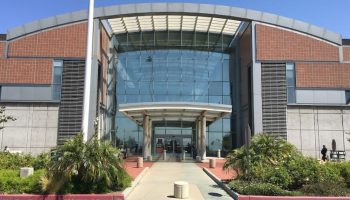
VA Greater Los Angeles Healthcare System Sepulveda VA Medical Center |
16111 Plummer Street Acton, CA 91343 |
Detox Service Setting
Outpatient DetoxMATInpatient Detox
|
Levels Of Care
PHPOutpatientAftercare+3
|
|
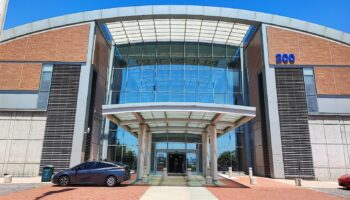
VA Greater Los Angeles Healthcare System Sepulveda VA Medical Center |
16111 Plummer Street California, CA 91343 |
Detox Service Setting
Outpatient DetoxMATInpatient Detox
|
Levels Of Care
OutpatientPHPDual Diagnosis+2
|
|
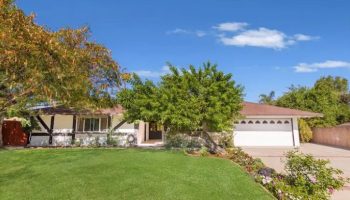
White House Recovery |
9251 Notre Dame Ave Chatsworth, CA 91311 |
Detox Service Setting
Inpatient DetoxOutpatient Detox
|
Levels Of Care
InpatientOutpatient
|
|
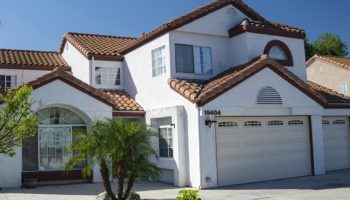
White Oak Recovery Center |
19404 Roscoe Blvd Northridge, CA 91324 |
Detox Service Setting
Inpatient DetoxOutpatient Detox
|
Levels Of Care
InpatientOutpatient
|
|
4 Seasons Detox & Recovery |
3174 Evelyn Ave Simi Valley, CA 93063 |
Detox Service Setting
Inpatient DetoxOutpatient Detox
|
Levels Of Care
InpatientOutpatient
|

|
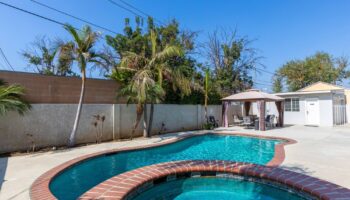
Concise Recovery Center |
7811 Peach Avenue California, CA 91406 |
Detox Service Setting
Inpatient DetoxOutpatient DetoxMAT
|
Levels Of Care
InpatientPHPOutpatient+3
|
|
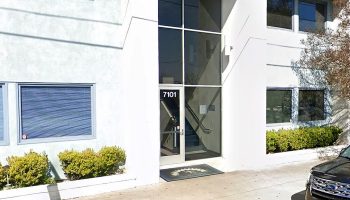
Tarzana Treatment Center |
7101 Baird Avenue California, CA 91335 |
Detox Service Setting
Inpatient DetoxOutpatient Detox
|
Levels Of Care
InpatientOutpatientAftercare+2
|
|
Santa Clarita is located within Los Angeles County’s Service Planning Area 2. Detox services are shaped by both state licensing and one of the largest public substance use systems in the country.
The California Department of Health Care Services (DHCS) licenses and certifies residential detox and withdrawal management facilities statewide, while the county’s Substance Abuse Prevention and Control (SAPC) Bureau coordinates a no-wrong-door system connecting nearly 275,000 people a year across prevention, treatment, and harm reduction.
For Santa Clarita Valley residents, that usually means routing through SAPC’s Community Engagement Team or the countywide Substance Abuse Service Helpline before reaching a Drug Medi-Cal certified provider.
The city’s data show real movement on the fentanyl crisis that pushed many residents toward detox in the first place. After the Santa Clarita Valley recorded 33 fentanyl overdose deaths in 2022, the Sheriff’s Station formed an Overdose Response Task Force that helped drive the local death count down to 19 in 2023.
This trend has continued alongside countywide declines. That progress does not erase the need for medical detox, since withdrawal from opioids, alcohol, and benzodiazepines still carries real risk.
Henry Mayo Newhall Memorial Hospital’s Behavioral Health Unit in Valencia is the closest hospital-based option for residents who need 24-hour supervision.
Anyone comparing detox programs in Santa Clarita should also expect a mix of private licensed facilities and the county’s contracted network, since availability and wait times can differ sharply between the two.
Paying for detox in Santa Clarita comes down to whether you have private insurance, Medi-Cal, Medicare, or need to self-pay, and each path affects cost and wait time differently. Understanding what detox costs before you call a facility helps you ask the right questions about coverage and out-of-pocket exposure.
The cost of detox in Santa Clarita depends on the level of medical supervision required, the substance involved, and whether care is delivered in a hospital, residential facility, or outpatient setting. Los Angeles County’s high cost of living pushes private-pay rates above the national average for residential care.
The figures below are full cash-pay rates before insurance, Medi-Cal, Medicare, or other assistance is applied; most people with coverage pay significantly less out of pocket.
Medicare covers medically necessary inpatient and outpatient detox for Santa Clarita residents, along with Opioid Treatment Program services such as methadone and buprenorphine under Part B.
Coverage depends on the treatment setting, the specific plan, and whether the facility is Medicare-certified, and beneficiaries may still owe deductibles or coinsurance depending on where care is delivered.
Medi-Cal covers withdrawal management, residential, outpatient, and MAT services in Santa Clarita through the Drug Medi-Cal Organized Delivery System, which Los Angeles County has operated since 2017.
Enrollment requires an ASAM-level assessment through SAPC’s Community Assessment Service Center, and the area’s Medi-Cal managed care plans, including L.A. Care Health Plan and Health Net, direct funding toward naloxone access for members.
Cost should not be the reason someone in Santa Clarita delays detox. Several alternative payment paths exist for residents without private insurance:

NCADD of the San Fernando Valley’s Santa Clarita office and the Child & Family Center’s Alcohol & Drug Treatment program both use income-based sliding fee scales for outpatient SUD services, reducing per-session cost for residents who qualify.
A Light of Hope Support Center in Santa Clarita and the Hope Center at Valencia Hills Community Church in Canyon Country both provide free support groups and referral assistance for individuals and families facing addiction, regardless of ability to pay.
LA County’s Substance Abuse Prevention and Control Bureau funds no-cost treatment for Medi-Cal and My Health LA members through its Community Engagement Team, which screens residents and refers them directly into the county’s contracted provider network.
Santa Clarita Valley veterans can access detox and MAT through VA outpatient clinics serving the San Fernando and Antelope Valley areas, at no direct cost to eligible veterans.
Detox and addiction treatment providers serving Santa Clarita answer to overlapping state and county oversight. Here are the key regulatory bodies:
The state agency with sole authority to license and certify residential detox and SUD treatment facilities in California, including those in Santa Clarita. DHCS licensure is required for any facility providing detoxification, counseling, or incidental medical services to people recovering from drug or alcohol use.
SAPC contracts with more than 150 community-based organizations to deliver the full continuum of SUD prevention, treatment, and recovery services across LA County, including Santa Clarita, and administers the county’s Drug Medi-Cal Organized Delivery System.
LACDMH directly operates the Santa Clarita Valley Mental Health Center in Valencia, which provides co-occurring disorder treatment integrating mental health and substance use care for county residents 18 and older.
The state regulatory framework, administered by DHCS, that governs licensing, Medi-Cal certification, staffing, and clinical standards for substance use treatment facilities operating in Santa Clarita and statewide.
Medication-assisted treatment in Santa Clarita is regulated federally through SAMHSA’s Opioid Treatment Program rules under 42 CFR Part 8 and DEA controlled-substance registration, with the California Department of Health Care Services licensing and monitoring providers statewide.
Los Angeles County’s SAPC Bureau requires MAT providers in its Drug Medi-Cal network to pair medication with counseling, and the county has expanded medication-assisted treatment access as part of its harm reduction strategy.
Buprenorphine is widely accessible in Santa Clarita through office-based prescribers and telehealth, letting many residents start treatment without traveling to a certified Opioid Treatment Program.
Its lower overdose risk and flexible dosing make it a practical option for Santa Clarita Valley residents managing work or family responsibilities during treatment, and Medi-Cal covers it under the DMC-ODS.
Methadone is restricted to certified Opioid Treatment Programs and requires daily on-site dosing, with the nearest licensed OTPs located in the greater San Fernando Valley rather than within Santa Clarita itself.
Medi-Cal coverage keeps methadone financially accessible, though the travel distance is a real barrier for some Santa Clarita Valley residents without reliable transportation.
Naltrexone requires no special licensing and is prescribed in standard outpatient settings throughout Santa Clarita, including at Child & Family Center and other county-contracted clinics.
The injectable form, Vivitrol, is used locally for both opioid and alcohol use disorder and is covered under Medi-Cal and most commercial plans serving the area.
Santa Clarita’s harm reduction network has grown directly out of the fentanyl crisis that hit the Santa Clarita Valley hard between 2020 and 2022.
County agencies, hospitals, and community nonprofits now provide free naloxone, overdose response training, and referrals to treatment, and local overdose deaths have fallen sharply since the Sheriff’s Station’s Overdose Response Task Force began operating in mid-2022.
The Community Engagement Team is the primary entry point LA County uses to connect Santa Clarita Valley residents to naloxone training and substance use treatment, reachable directly or through the countywide Substance Abuse Service Helpline.
SASH gives Santa Clarita residents a single phone number, (844) 804-7500, to reach county-funded detox and treatment options at any hour, without requiring prior enrollment or an existing provider relationship.
EOP Hubs are LA County’s contracted syringe service providers, serving the wider San Fernando and Santa Clarita Valleys region and operating a no-identification-required model to reduce barriers for people at highest risk of overdose.
Located in Valencia, Henry Mayo Newhall is the Santa Clarita Valley’s closest hospital for emergency overdose response and stabilization, and its Behavioral Health Unit provides a direct bridge from crisis care into ongoing detox and treatment.
Santa Clarita has seen real progress on overdose deaths in recent years, though the crisis is far from resolved. The following figures, drawn from city, county, and state sources, show both the scale of the problem and the direction it is moving.
Fentanyl overdose deaths in the city of Santa Clarita fell from 33 in 2022 to 19 in 2023, a decline city officials attribute to the Sheriff’s Station’s Overdose Response Task Force. Source: SCV Signal, 2024.
Drug-related overdose and poisoning deaths across Los Angeles County dropped from 3,137 in 2023 to 2,438 in 2024, the most significant one-year decline in county history. Source: LA County Department of Public Health, 2025.
Fentanyl-involved accidental overdose deaths across LA County fell 37% in 2024, and fentanyl’s share of all accidental overdose deaths dropped from 64% to 52% during the same period. Source: LA County SAPC, 2025.
Call the LA County Substance Abuse Service Helpline at (844) 804-7500 or contact the Community Engagement Team directly for a screening. Both can refer you to a Drug Medi-Cal certified provider even if you are not yet enrolled in Medi-Cal, and enrollment assistance is typically part of the referral process.
Yes, though options are more limited than in denser parts of LA County. City of Santa Clarita Transit connects to the Santa Clarita Metrolink station, and several outpatient providers, including the Santa Clarita Valley Mental Health Center, sit along active bus routes.
Yes. LA County’s Community Engagement Team and EOP Hubs distribute naloxone at no cost, and residents can also request it through the county’s naloxone pickup network. Training takes only a few minutes and does not require a prescription.
Detox manages the acute physical symptoms of withdrawal, typically over several days, while residential rehab provides weeks of structured therapy, medical monitoring, and relapse-prevention planning after withdrawal has stabilized. Most people need both, in sequence, for lasting recovery.
Yes. Veterans in Santa Clarita can access detox and MAT through VA outpatient clinics serving the San Fernando and Antelope Valley areas, and several private local facilities work with TRICARE and VA community care referrals.


Gayle Morris, BSN, MSN, received her bachelor’s degree from the University of Illinois Chicago Medical Center and her first master’s degree from Indiana University Purdue University Indianapolis. She practiced nursing for more than two decades with a focus on pediatric physical rehabilitation, helping children and their parents after a head injury or spinal cord injury. She has been a freelance writer in health, wellness, and mental health for more than 15 years. She loves exercise, her dogs and guinea pigs, and gardening.