Find Drug & Alcohol Detox Centers in Ontario, CA

Detox Centers in Ontario

15 Results
Filters
Setting
Medications Offered
Treatment
Programs
Payment Options
Name Address Detox Service Setting Levels Of Care Media

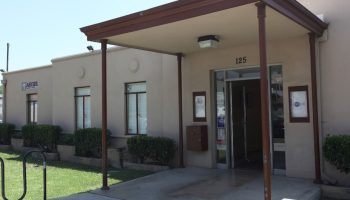
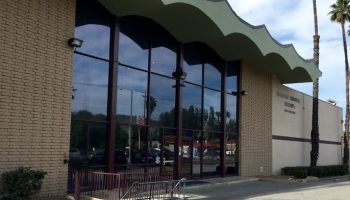
AEGIS Medical Systems Ontario

125 West F Street Ontario, CA 91762
Detox Service Setting
Outpatient Detox
Levels Of Care
OutpatientAftercareDual Diagnosis
AEGIS Medical Systems Ontario

His House – Carlos Place Treatment Center

1354 Carlos Place Ontario, CA 91764
Detox Service Setting
Inpatient Detox
Levels Of Care
InpatientAftercareDual Diagnosis+1
His House – Carlos Place Treatment Center

Aegis Treatment Centers | Ontario

125 West F Street Ontario, CA 917623201
Detox Service Setting
Outpatient DetoxMAT
Levels Of Care
Outpatient

His House 9th Street Treatment Center

239 West 9th Street Upland, CA 91786
Detox Service Setting
Inpatient DetoxOutpatient Detox
Levels Of Care
InpatientOutpatientDual Diagnosis+2
His House 9th Street Treatment Center

His House Palm House

227 North Palm Upland, CA 91786
Detox Service Setting
Inpatient DetoxOutpatient Detox
Levels Of Care
InpatientOutpatientAftercare+2
His House Palm House

Prototypes Women’s Center

831 East Arrow Highway Pomona, CA 91767
Detox Service Setting
Inpatient DetoxOutpatient Detox
Levels Of Care
InpatientOutpatientDual Diagnosis+1
Prototypes Women’s Center

Your Life Sober Living

580 E 12th St Pomona, CA 91766
Detox Service Setting
Inpatient DetoxOutpatient Detox
Levels Of Care
InpatientOutpatient
Your Life Sober Living

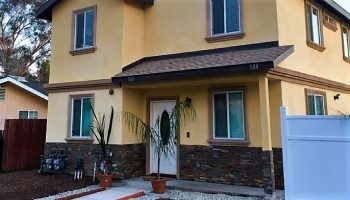
Hathaway Recovery

1042 Belmont Abbey Lane Claremont, CA 91711
Detox Service Setting
Inpatient DetoxOutpatient DetoxMAT
Levels Of Care
InpatientPHPOutpatient+1
Hathaway Recovery

America’s Recovery Center

2180 Valley Blvd Pomona, CA 91768
Detox Service Setting
Inpatient DetoxOutpatient Detox
Levels Of Care
InpatientOutpatient
America’s Recovery Center

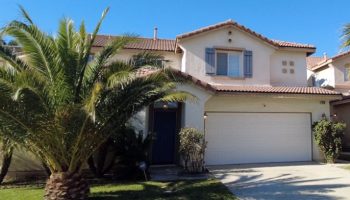
Grace Hope Treatment and Recovery Centers

7446 Lime Ave Fontana, CA 92336
Detox Service Setting
Inpatient DetoxOutpatient Detox
Levels Of Care
InpatientOutpatient
Grace Hope Treatment and Recovery Centers

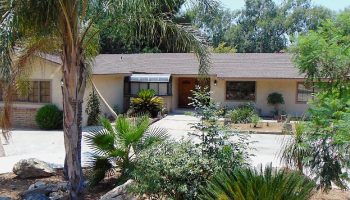
Everlast Recovery Center

6560 Sandy Lane Riverside, CA 92505
Detox Service Setting
Inpatient DetoxOutpatient Detox
Levels Of Care
InpatientOutpatientIntervention
Everlast Recovery Center

Amazonite Treatment Center

16122 Copperhead Ct Fontana, CA 92336
Detox Service Setting
Inpatient DetoxOutpatient Detox
Levels Of Care
InpatientOutpatient
Amazonite Treatment Center

10 Acre Ranch

8605 Janet Avenue Riverside, CA 92503
Detox Service Setting
Inpatient DetoxOutpatient DetoxMAT
Levels Of Care
InpatientPHPOutpatient+2
10 Acre Ranch

Sunrise Recovery Ranch

6690 Limonite Frontage Road Riverside, CA 92509
Detox Service Setting
Inpatient DetoxMAT
Levels Of Care
InpatientDual DiagnosisPHP+3
Sunrise Recovery Ranch

Cedar House Life Change Center

18612 Santa Ana Avenue Bloomington, CA 92316
Detox Service Setting
Inpatient DetoxOutpatient Detox
Levels Of Care
InpatientOutpatientDual Diagnosis+1
Cedar House Life Change Center

Drug & Alcohol Detox in Ontario, CA

Ontario sits in San Bernardino County’s West Valley region, where the fentanyl crisis has been a significant public health concern. In response, the county’s infrastructure for substance use disorder (SUD) treatment is more developed than in many cities of comparable size.

In June 2023, the county Department of Behavioral Health (DBH) launched a countywide awareness campaign called “Fentanyl Doesn’t Care. But We Do.” that has used real community stories to educate residents about overdose recognition and naloxone access.

In early 2024, the county’s Department of Public Health followed with the launch of ODASH (Opioid Data Analytics and Surveillance for Harm Reduction), a publicly accessible dashboard that tracks overdose trends by geography and demographic group.

These initiatives reflect an active county-level response to a crisis that has touched every part of the Inland Empire, including Ontario.

Detox and residential SUD facilities operating in California must be licensed by the California Department of Health Care Services (DHCS), which serves as the sole state licensing authority for non-medical alcohol and drug recovery programs. Many facilities also hold optional DHCS certification, which signals they meet a higher standard of program quality. Outpatient SUD programs that offer detoxification or medication for addiction treatment (MAT) must obtain DHCS certification as a separate requirement.

At the county level, the San Bernardino County Department of Behavioral Health (DBH) funds and oversees a network of Substance Use Disorder and Recovery Services (SUDRS) providers. These include Mariposa Community Counseling at 2940 Inland Empire Blvd in Ontario, which serves West Valley residents with outpatient SUD treatment. The DBH access line at (800) 968-2636 connects callers to a free, confidential assessment and referral to county-funded services.

For Ontario residents researching options, knowing how to choose a detox center before making contact with a facility can make the intake process considerably easier.


Paying for Detox in Ontario

Detox costs in and around Ontario vary widely depending on the level of care and facility type. For a full breakdown of how level of care affects pricing, see the cost of detox guide.

How Much Does Detox Cost in Ontario?

The figures below reflect self-pay rates before insurance or financial aid; most people with coverage pay considerably less.

$500 to $650 per day (about $3,500 to $4,500 for a seven-day stay)
Medical Detox
$10,000 to $30,000 for a 30-day program
Inpatient Rehab
Around $5,000 for a three-month program
Outpatient Rehab
Varies; often covered by insurance or Medicaid
Methadone Treatment

Medicare and Medicaid in Ontario

Medicare

Medicare, the federal health program for people 65 and older and some younger people with qualifying disabilities, covers medically supervised detox for eligible Ontario residents. Part A covers inpatient hospital withdrawal management, Part B covers outpatient services and Opioid Treatment Program (OTP) care such as methadone and buprenorphine bundled with counseling, and Part D covers prescription medications. Copays and deductibles depend on whether you have Original Medicare or a Medicare Advantage plan and the treatment setting.

Medicaid

California’s Drug Medi-Cal Organized Delivery System (DMC-ODS) covers detox, residential treatment, outpatient services, MAT and case management for eligible Medi-Cal members. The dominant Medi-Cal managed care plan in the Inland Empire is the Inland Empire Health Plan (IEHP), which serves approximately 1.5 million members in Riverside and San Bernardino Counties. IEHP member services can be reached at 1-800-440-IEHP (4347).

Other Ways to Pay for Detox Treatment

Several county-funded and low-cost options are available to Ontario residents:

County-Funded Sliding-Scale Programs

San Bernardino County DBH SUDRS programs, including those in Ontario, operate on a sliding-scale fee and accept Medi-Cal. Services are available to all county residents regardless of insurance status, with costs adjusted based on income.

SAMHSA Block Grants

SAMHSA block grants support additional low-cost and scholarship-based treatment at facilities near Ontario.

Veterans (VA and CalVet)

For veterans, SUD treatment can be accessed at no cost through the VA healthcare system and the California Department of Veterans Affairs (CalVet).

Ontario, California Regulations and Accreditation for Detox

Detox and SUD treatment in Ontario is overseen by a combination of state and county authorities, alongside state harm reduction law:

California Department of Health Care Services (DHCS)

The DHCS Licensing and Certification Division licenses all residential SUD treatment facilities in Ontario and across California. Outpatient SUD programs that provide detoxification or MAT must hold DHCS certification separately. To ensure quality of care, licensed residential facilities must obtain at least one DHCS Level of Care Designation or an American Society of Addiction Medicine (ASAM) level-of-care certification that aligns with the program’s clinical services. Learn more at dhcs.ca.gov.

San Bernardino County Department of Behavioral Health (DBH)

San Bernardino County DBH operates the county-level Substance Use Disorder and Recovery Services (SUDRS) system, contracting with local providers and conducting oversight of funded programs. The DHCS DUI Unit separately licenses and monitors all driving-under-the-influence programs statewide, including any in San Bernardino County. Learn more at wp.sbcounty.gov/dbh.

Narcotic Treatment Programs (NTPs) under DHCS

Narcotic Treatment Programs, which provide methadone and buprenorphine for opioid use disorder, operate under additional DHCS licensing as a distinct program category. One example is Aegis Treatment Centers at 125 W. F St. in Ontario. Learn more at dhcs.ca.gov.

California Good Samaritan Law

California’s Good Samaritan Law (Health and Safety Code Section 1799.102, enacted via AB 472) provides limited protection from arrest, charge and prosecution for people who call 911 to seek emergency medical assistance at the scene of a suspected overdose. This protection applies to both the person who called and the person experiencing the overdose. Learn more at leginfo.legislature.ca.gov.

Key MAT Medications and Regulatory Status in Ontario

Medication-assisted detox is available at multiple Ontario-area facilities. The three primary FDA-approved MAT medications used in Ontario detox and SUD programs are:

Buprenorphine (including Suboxone)

A partial opioid agonist used to manage opioid withdrawal and reduce cravings, available at certified prescribers and NTPs.

Methadone

A long-acting opioid agonist dispensed daily through licensed NTPs such as Aegis Ontario; requires enrollment in an accredited opioid treatment program.

Naltrexone (including Vivitrol)

An opioid antagonist used for both opioid and alcohol use disorders once a person has completed detox; available at outpatient providers and prescribers.

Overdose Prevention and Harm Reduction in Ontario

Ontario-area residents have access to several established harm reduction resources, most of which serve the broader San Bernardino County region. These programs focus on reducing the immediate risks of overdose death and connecting people who use drugs with treatment services when they are ready.

People dealing with a fentanyl-involved substance use disorder may also find our fentanyl detox guide helpful.

San Bernardino County DBH Naloxone Distribution

Free naloxone (Narcan) nasal spray at county behavioral health and public health clinics Naloxone training and overdose response education ODASH overdose surveillance dashboard for tracking local trends "Fentanyl Doesn't Care. But We Do." community awareness campaign

San Bernardino County DBH distributes free naloxone through its network of behavioral health and public health clinics throughout the county. Since November 2024, the county has distributed more than 600 Narcan kits as part of its expanded overdose prevention effort. Training is available in both English and Spanish, and residents can request kits or training through the county’s fentanyl resource page. wp.sbcounty.gov/dbh/fentanyl

Inland Empire Harm Reduction (IEHR)

Free naloxone (Narcan) and fentanyl test strips, no ID or insurance required Pick-up, home delivery or mail options State-authorized Syringe Services Program for Riverside and San Bernardino Counties Overdose response training for individuals and organizations

Inland Empire Harm Reduction is a community-based nonprofit serving both Riverside and San Bernardino County residents. IEHR operates as a state-authorized Syringe Services Program and provides free naloxone and fentanyl test strips with no personal information required. Sliding-scale overdose response training is also available for treatment providers, sober living programs, community organizations and families. ieharmreduction.org

Inland Empire Opioid Crisis Coalition (IEOCC)

Naloxone availability resources and provider referrals Coalition coordination across healthcare, public health, and community organizations Education and stigma reduction programming Policy and prescribing practice advocacy across both Inland Empire counties

The IEOCC brings together healthcare systems, county government departments and community organizations across San Bernardino and Riverside Counties to coordinate the regional overdose response. Member organizations include Arrowhead Regional Medical Center, Kaiser Permanente, Loma Linda University Health, IEHP and the San Bernardino DBH. Funding is provided by IEHP and focuses on expanding naloxone access, promoting MAT and reducing stigma around opioid use disorder. ieocc.org

211 San Bernardino County

24/7 referrals to substance use detox, treatment and prevention providers Connect IE resource portal for food, housing and health services Inland Empire Substance Abuse Treatment Line: (909) 294-3813 Bilingual English and Spanish assistance

211 San Bernardino County provides a free, confidential, around-the-clock referral service for county residents. Callers can be connected to county-funded detox and SUD treatment programs, harm reduction resources and other social services. The Connect IE online portal offers a searchable database of local resources, including naloxone distribution sites. 211sb.org

Detox Statistics in Ontario, California

San Bernardino County’s overdose data reflects a crisis that accelerated sharply through 2023 and has shown early signs of stabilization since. The county’s ODASH dashboard provides ongoing tracking of overdose trends across geography and demographics.

Fentanyl Deaths Rose from 74 to 436 in Four Years

Between 2019 and 2023, fentanyl-related deaths in San Bernardino County increased from 74 to 436, a nearly six-fold increase over four years. Source: San Bernardino County, January 2025.

Opioid Deaths Declining from the 2023 Peak


Preliminary data for the 12 months ending in Q2 2024 recorded approximately 360 opioid-related deaths in San Bernardino County, down from the 2023 peak of 420. Source: Community Forward Redlands, March 2025.

71% of Youth SUD Clients Had Co-occurring Mental Health Needs

In fiscal year 2023/24, 71% of youth clients receiving county SUD services in San Bernardino County also received county mental health services, indicating high rates of co-occurring disorders in this population. Source: San Bernardino County Community Indicators.

FAQs About Detox in Ontario, CA

Does San Bernardino County offer free detox for Ontario residents?

Yes. San Bernardino County DBH SUDRS programs, including the Mariposa Community Counseling site in Ontario, provide detox and SUD services on a sliding-scale fee. Medi-Cal covers services at county-contracted facilities, and the DBH SUDRS line at (800) 968-2636 provides a free assessment and referral regardless of insurance status.

What is IEHP and does it cover detox?

The Inland Empire Health Plan (IEHP) is the dominant Medi-Cal managed care plan in San Bernardino County, serving roughly 1.5 million members. IEHP covers medically necessary withdrawal management and SUD treatment through the Drug Medi-Cal Organized Delivery System. To confirm in-network options and any prior authorization requirements, call IEHP member services at 1-800-440-IEHP (4347).

Is naloxone available for free in Ontario?

Yes. Free naloxone is available through San Bernardino County DBH behavioral health and public health clinics and through Inland Empire Harm Reduction (IEHR), which distributes naloxone and fentanyl test strips without requiring ID or insurance. IEHR can be reached at (951) 446-0983. Most California CVS and major pharmacy locations also carry naloxone over the counter without a prescription.

Can I do outpatient detox while living at home in Ontario?

For many people with mild to moderate withdrawal risk, outpatient detox is a viable option that allows you to remain at home while attending scheduled clinical check-ins and receiving medications when indicated. However, alcohol and benzodiazepine withdrawal can be life-threatening and opioid withdrawal carries high relapse risk. A clinical assessment at a county-contracted provider or licensed outpatient program is the appropriate first step to determine your right level of care.

What MAT medications are available at Ontario-area detox centers?

Buprenorphine and methadone are available at licensed outpatient treatment programs in Ontario, including Aegis Treatment Centers at 125 W. F St. Naltrexone is also available at outpatient prescribers and SUD programs after detox is complete. The county DBH access line at (800) 968-2636 can confirm current availability and help with enrollment.

How does California's Good Samaritan Law apply to overdoses in Ontario?

California’s Good Samaritan Law (Health and Safety Code Section 1799.102) provides limited protection from arrest and prosecution for people who call 911 for emergency help at the scene of a suspected overdose. The protection covers both the person who called and the person experiencing the overdose. The law does not protect against charges unrelated to the drug use at the scene, so consulting a local attorney for specific legal situations is advisable.

Two people talking
Get Help Today!
If you or a loved one is in need of help, call today. Pick up the phone and get the help you need.
800-483-2193
Confidential. Available 24 Hours

Browse Detox Centers

Get Help Today Phone icon 800-779-4314