916-299-0679

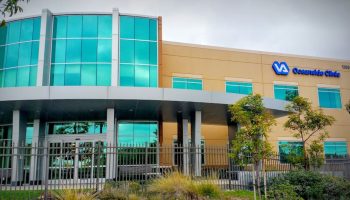




Detox and substance use treatment in Oceanside is regulated at the state and county levels. The California Department of Health Care Services (DHCS) licenses all residential treatment facilities and certifies outpatient SUD programs through its Licensing and Certification Division (LCD).
Facilities must meet staffing, clinical safety, and patient rights standards as a condition of licensure. Methadone and other opioid treatment programs must also hold SAMHSA certification under 42 CFR Part 8. The County of San Diego’s HHSA Behavioral Health Services (BHS) division serves as the local behavioral health authority and funds a network of SUD providers for Medi-Cal-eligible and uninsured residents across the North Coastal region, which includes Oceanside.
Oceanside’s proximity to Marine Corps Base Camp Pendleton means the city has a substantial active-duty and veteran population with distinct treatment access needs, including VA-covered care. The city’s overdose patterns follow San Diego County’s broader trends, with fentanyl and methamphetamine the leading substances driving overdose deaths.
San Diego County launched its Overdose Surveillance and Response (OSAR) program in fall 2023, deploying real-time outreach teams to hotspots across all five county service regions. California’s SB 855 (2020) prohibits commercial insurers from using arbitrary day limits and requires them to apply evidence-based clinical criteria when reviewing SUD treatment claims, making California one of the stronger parity states in the country.
When evaluating how to choose a detox center in Oceanside, confirming a facility’s current DHCS license through the state’s online provider database is an easy first step to verify a center’s license and qualification to provide care.