

 800-262-4205
Aegis Treatment Centers – Healthy Connections

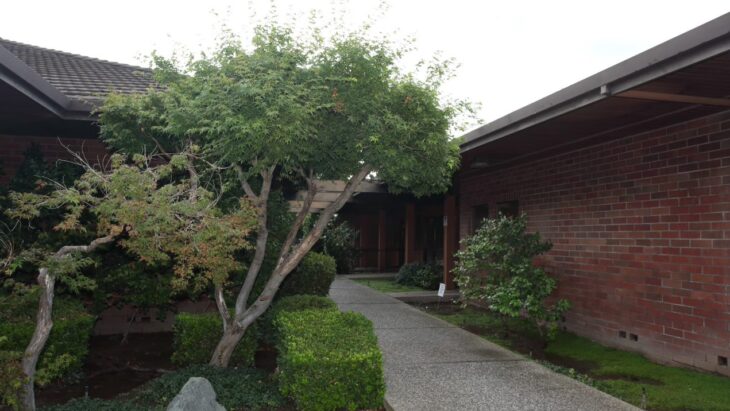
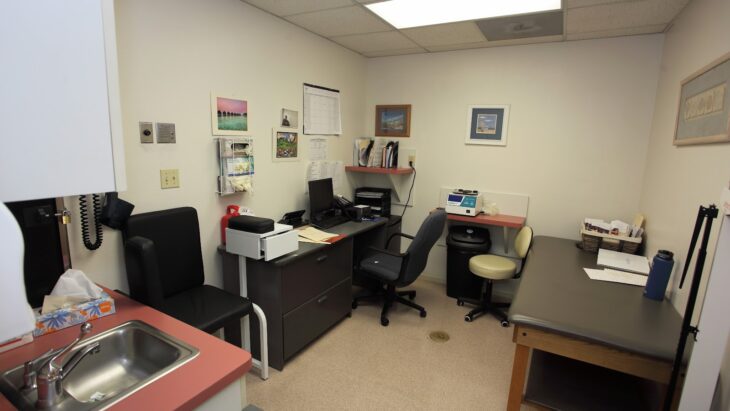
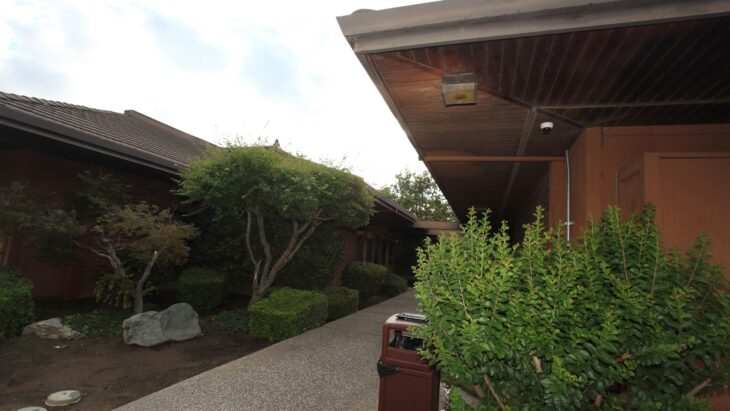
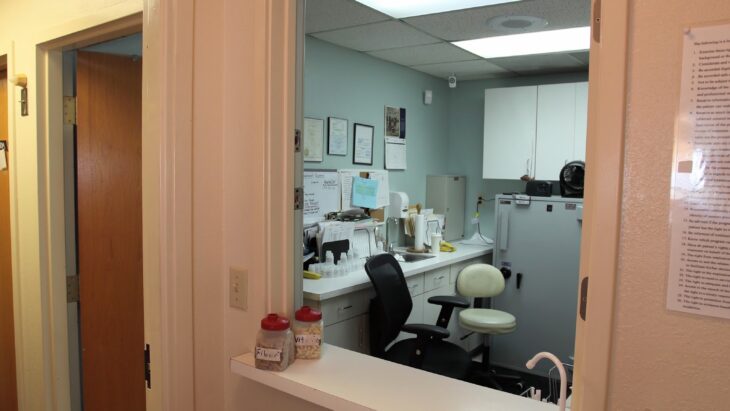

About Aegis Treatment Centers – Healthy Connections
Aegis Treatment Centers Lodi is an outpatient addiction treatment center in Lodi, California providing specialized care for adults struggling with opioid use disorder and alcoholism.
Part of the Pinnacle Treatment Centers network, the program offers medication assisted treatment, an opioid treatment program and outpatient detox, counseling and aftercare support.
The Lodi team emphasizes evidence based, individualized care that blends medication management with therapy to help clients stabilize and build lasting recovery skills.
Outpatient Addiction Programs
Treatment typically begins with an assessment that may lead into medication assisted treatment using methadone or Suboxone, paired with outpatient detox support when appropriate.
Same day admissions and walk ins are welcomed, helping reduce barriers to starting care.
Clients can expect individual, group and family counseling alongside behavioral therapies such as motivational interviewing, mindfulness and relapse prevention.
The program also integrates case management and psychoeducation, peer support and discharge planning to address recovery in a whole person way.
Quick Facts to Know
- Location: 541 South Ham Lane in Lodi, CA serving San Joaquin County communities including Acampo, Morada and Lockeford
- Levels of care: Outpatient treatment, opioid treatment program and MAT/MOUD, outpatient detox and aftercare
- Who they treat: Adult men and women including young adults ages 18 to 25, with opioid use disorder or alcoholism
- Approach: Evidence based and individualized care combining medication, counseling and behavioral therapies
- Payment options: Medi-Cal, Medicare and Medicare Advantage, TRICARE, most commercial insurance and self pay with flexible payment plans
- Accessibility: Early medication hours, walk ins welcome and same day admissions available
| Levels of Care | Detox Service Setting | Programs | Payment Options | ||||
|---|---|---|---|---|---|---|---|
|
In outpatient therapy, you’ll attend therapy sessions several times each week while living at home. This is ideal if you have a strong support system and a lower risk of relapse. Outpatient treatment offers flexibility to maintain work, school or family obligations. |
Aftercare programs provide ongoing support after you complete a rehab program. They may include several components to help you maintain sobriety including therapy, community support groups and relapse prevention strategies. This gives you a network of resources as you reintegrate into your daily life. |
||||||
|
Outpatient detox gives you access to medically supervised withdrawal services while still allowing you to live at home. You’ll attend a clinic for treatment and monitoring. This flexible option is suitable for those with mild to moderate withdrawal symptoms who have strong support systems. |
Medication for opioid use disorder is part of the program here. Counseling and group support sit with that medicine in the same plan. |
||||||
|
Adult programs address the substance use and life challenges specific to adults. Therapists can deliver sessions in individual, group and family settings. Services often include job support and life skills training in a structured environment.
|
Alcohol detox programs offer medical support to help individuals withdraw safely from alcohol. Your care team may use medications to ease your symptoms and provide medical monitoring to address complications.
|
Cognitive behavioral therapy is among the behavioral therapies here, alongside motivational interviewing, aimed at thought patterns tied to substance use. |
Drug detox programs support individuals who are withdrawing from addictive substances like cocaine and heroin. Medical support helps you manage symptoms in a controlled and safe environment so you can achieve initial sobriety.
|
Men's programs address substance use while also considering the social pressures, family roles and mental health concerns that are specific to men. You’ll learn healthy coping mechanisms as you build emotional resilience and develop communication skills.
|
Opioid detox uses medications to ease severe withdrawal symptoms. It also includes medical supervision to help you manage potential complications. These services allow you to stabilize and begin a recovery plan.
|
Women's programs offer a safe and supportive space to focus on gender specific issues such as trauma, family roles and mental health conditions. Therapists tailor the sessions to address women's needs and foster empowerment in a healing and nurturing environment.
|
Young adult programs are designed for individuals who are transitioning into adulthood. Topics of discussion typically include identity, independence and peer relationships. Providers may also offer life skills training and career support.
|
|
Payment Assistance
|
Self Pay
|
Private Insurance
|
Medicaid
|
Levels of Care
In outpatient therapy, you’ll attend therapy sessions several times each week while living at home. This is ideal if you have a strong support system and a lower risk of relapse. Outpatient treatment offers flexibility to maintain work, school or family obligations.
Aftercare programs provide ongoing support after you complete a rehab program. They may include several components to help you maintain sobriety including therapy, community support groups and relapse prevention strategies. This gives you a network of resources as you reintegrate into your daily life.
Detox Service Setting
Outpatient detox gives you access to medically supervised withdrawal services while still allowing you to live at home. You’ll attend a clinic for treatment and monitoring. This flexible option is suitable for those with mild to moderate withdrawal symptoms who have strong support systems.
Medication for opioid use disorder is part of the program here. Counseling and group support sit with that medicine in the same plan.
Programs
Cognitive behavioral therapy is among the behavioral therapies here, alongside motivational interviewing, aimed at thought patterns tied to substance use.
Amenities
Accreditations


Accepted Insurance





Contact


- Monday 5AM - 1PM
- Tuesday 5AM - 1PM
- Wednesday 5AM - 1PM
- Thursday 5AM - 1PM
- Friday 5AM - 1PM
- Saturday 7AM - 12PM
- Sunday 7AM - 12PM

Natalie is a recent Purdue University graduate where she studied Psychology and Creative Writing. She’s a fierce advocate for others and is committed to always showing up with a compassionate heart. She enjoys writing poetry, dancing, and playing piano in her free time.
Detox.com regularly reviews this listing for accuracy but changes may occur between updates. For the most up-to-date information, please contact Aegis Treatment Centers – Healthy Connections.
Nearby Detox Centers



Search by California Cities
FAQs
Which medications does Aegis Treatment Centers use for opioid treatment?
Methadone is typically given in a clinic setting and is used to ease cravings and withdrawal symptoms. Buprenorphine, also called Suboxone, is used to steady brain chemistry and lower cravings, and to support taking part in therapy. Naltrexone, also called Vivitrol, blocks opioid effects and is named for the period after detox. Medications like these are part of medication assisted detox.
What kind of treatment is available at the Lodi center?
Outpatient. It’s a Lodi program that uses evidence-based work for substance use disorders. Medication for opioid use disorder is offered in that same program, and counseling plus group support sit with it. The people served are those with alcohol use or opioid use, and they come to the center for that care.
How can you pay for treatment at the Lodi center?
Medi-Cal and Medicare are accepted, and Medicare Advantage is accepted if it applies. TRICARE and most commercial insurance are accepted too, and self-pay works if you’d rather handle charges directly. Out-of-network insurance is not accepted. That’s the full set of ways charges are handled at this center.
Can you walk in, and which towns does the Lodi center serve?
Yes. Walk-ins are taken, and same-day admission is offered. People come from across San Joaquin County, including the towns of Acampo, Morada and Lockeford. So you can show up from those places and be seen the same day. You don’t need a booking ahead of time.
What kinds of therapy does the Lodi program use?
The behavioral therapies include cognitive behavioral therapy and motivational interviewing, along with other therapies that work on thought patterns and the emotional responses connected to substance use. That’s what this program uses for that part of care. A wider view sits on the page about types of addiction therapy.