800-262-4205
Southern Solano Alcohol Council – A Bi-Bett Program
About Southern Solano Alcohol Council – A Bi-Bett Program
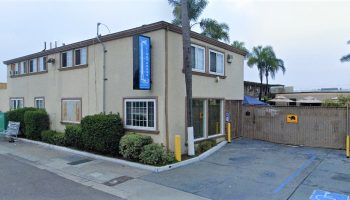
Southern Solano Alcohol Council – A Bi-Bett Program is a nonprofit organization in Vallejo, California that provides a full range of services to help you recover from drug and alcohol addiction.
In existence since 1969, they’ve been supporting people just like you through residential services, outpatient services and sober living environments. What stands out most to us about Southern Solano Alcohol Council is its commitment to helping you heal through its detoxification interventions
Detox Near Mare Island San Pablo Bay Trail
If you’re at the beginning of recovering from addiction, detox is a great place to start. While taking that first step can feel overwhelming, you won’t be left alone. You’ll be monitored by trained staff 24/7 to ensure you’re safe and stable along the way.
Detox usually lasts about three to five days but the length of the program will depend on your needs and the speed of your progress. After you’ve completed this step, you may be referred to other services such as outpatient pathways, recovery housing or residential treatment.
Affordable Services in Vallejo
Just near Blue Rock Springs Park, you’ll have access to affordable payment plans including income based sliding fee scales, to ensure your care comes at a cost that’s realistic to your situation. They accept MediCal and self pay methods like cash when MediCal doesn’t apply.
| Levels of Care | Detox Service Setting | Programs | Payment Options |
|---|---|---|---|
|
Aftercare programs provide ongoing support after you complete a rehab program. They may include several components to help you maintain sobriety including therapy, community support groups and relapse prevention strategies. This gives you a network of resources as you reintegrate into your daily life. |
Inpatient and residential programs provide round-the-clock medical and emotional support as you live at the treatment facility. This level of care may be recommended if you have severe addictions or mental health conditions since it removes outside distractions and allows you to focus solely on therapy. |
In outpatient therapy, you’ll attend therapy sessions several times each week while living at home. This is ideal if you have a strong support system and a lower risk of relapse. Outpatient treatment offers flexibility to maintain work, school or family obligations. |
Sober living homes provide a supportive and substance free environment for you to live in as you overcome your addiction. Residents must follow house rules and support each other’s recovery journeys. Sober living fosters accountability and stability during this critical phase of recovery. |
|
Inpatient detox occurs in a dedicated treatment facility. You’ll live there around the clock and receive intensive medical support and supervision to help manage your withdrawal symptoms. It is suitable for individuals with moderate to severe addictions as it ensures a stable detox environment. |
|||
|
Adult programs address the substance use and life challenges specific to adults. Therapists can deliver sessions in individual, group and family settings. Services often include job support and life skills training in a structured environment.
|
Young adult programs are designed for individuals who are transitioning into adulthood. Topics of discussion typically include identity, independence and peer relationships. Providers may also offer life skills training and career support.
|
Women's programs offer a safe and supportive space to focus on gender specific issues such as trauma, family roles and mental health conditions. Therapists tailor the sessions to address women's needs and foster empowerment in a healing and nurturing environment.
|
Men's programs address substance use while also considering the social pressures, family roles and mental health concerns that are specific to men. You’ll learn healthy coping mechanisms as you build emotional resilience and develop communication skills.
|
|
Self Pay
|
Sliding Scale Payment
|
Levels of Care
Aftercare programs provide ongoing support after you complete a rehab program. They may include several components to help you maintain sobriety including therapy, community support groups and relapse prevention strategies. This gives you a network of resources as you reintegrate into your daily life.
Inpatient and residential programs provide round-the-clock medical and emotional support as you live at the treatment facility. This level of care may be recommended if you have severe addictions or mental health conditions since it removes outside distractions and allows you to focus solely on therapy.
In outpatient therapy, you’ll attend therapy sessions several times each week while living at home. This is ideal if you have a strong support system and a lower risk of relapse. Outpatient treatment offers flexibility to maintain work, school or family obligations.
Sober living homes provide a supportive and substance free environment for you to live in as you overcome your addiction. Residents must follow house rules and support each other’s recovery journeys. Sober living fosters accountability and stability during this critical phase of recovery.
Detox Service Setting
Inpatient detox occurs in a dedicated treatment facility. You’ll live there around the clock and receive intensive medical support and supervision to help manage your withdrawal symptoms. It is suitable for individuals with moderate to severe addictions as it ensures a stable detox environment.
Programs
Amenities
Accreditations


Accepted Insurance


Contact


- Monday Open 24 hours
- Tuesday Open 24 hours
- Wednesday Open 24 hours
- Thursday Open 24 hours
- Friday Open 24 hours
- Saturday Open 24 hours
- Sunday Open 24 hours
Detox.com regularly reviews this listing for accuracy but changes may occur between updates. For the most up-to-date information, please contact Southern Solano Alcohol Council – A Bi-Bett Program.