

 800-262-4205
Genesis Residential Center
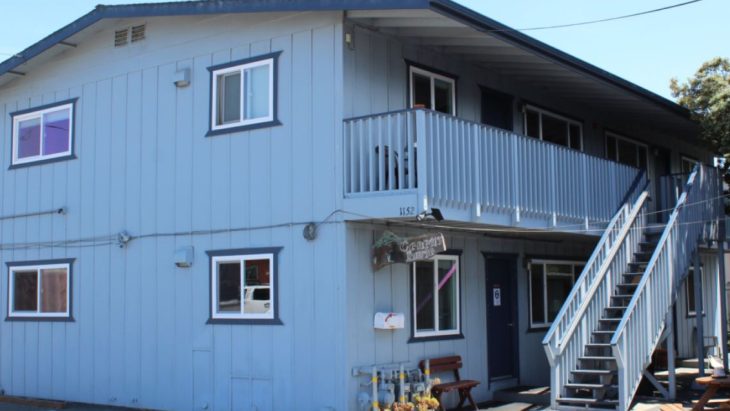
About Genesis Residential Center
Located south of San Jose in Seaside, California, Genesis House is a residential treatment program operated by the non profit agency Community Human Services. Clients who are 18 years and older can access substance abuse and mental health services including supervised detox. The organization accepts MediCal and private pay.
Comprehensive and Individualized Detox Services
You’ll receive a comprehensive assessment and an individualized treatment plan before moving forward with your detox treatment. Clients will be under 24 hour staff supervision and will participate in individual and group counseling. The staff will also conduct random drug testing to help you stay committed to your sobriety.
Perinatal Program For Women
Their perinatal program offers specialized care for pregnant and postpartum women. You can live in the program for six to ten months.
They also allow children up to age five to live on campus with their mothers. You’ll benefit from tailored care to improve life for you and your family.
Wraparound Services
I also think it’s great that they offer wraparound services. They understand that reaching sobriety is just one part of recovery. Training, housing services, education, employment services, and other resource referrals are available.
An additional nice feature I noticed was their incorporation of 12-Step programming. These programs can offer a spiritual approach to recovery focused on faith in a higher power, personal growth, and making amends.
They offer Alcoholics Anonymous and Narcotics Anonymous meetings on and off site. One reviewer praised the facility for having caring professional counselors.
| Levels of Care | Detox Service Setting | Programs | Payment Options | ||
|---|---|---|---|---|---|
|
Inpatient and residential programs provide round-the-clock medical and emotional support as you live at the treatment facility. This level of care may be recommended if you have severe addictions or mental health conditions since it removes outside distractions and allows you to focus solely on therapy. |
Aftercare programs provide ongoing support after you complete a rehab program. They may include several components to help you maintain sobriety including therapy, community support groups and relapse prevention strategies. This gives you a network of resources as you reintegrate into your daily life. |
Dual diagnosis programs address substance use disorders and co-occurring mental health conditions simultaneously. This integrated approach to care improves the likelihood of long term recovery and stability by addressing the root causes of addiction. |
|||
|
Inpatient detox occurs in a dedicated treatment facility. You’ll live there around the clock and receive intensive medical support and supervision to help manage your withdrawal symptoms. It is suitable for individuals with moderate to severe addictions as it ensures a stable detox environment. |
|||||
|
Adult programs address the substance use and life challenges specific to adults. Therapists can deliver sessions in individual, group and family settings. Services often include job support and life skills training in a structured environment.
|
Alcohol detox programs offer medical support to help individuals withdraw safely from alcohol. Your care team may use medications to ease your symptoms and provide medical monitoring to address complications.
|
Men's programs address substance use while also considering the social pressures, family roles and mental health concerns that are specific to men. You’ll learn healthy coping mechanisms as you build emotional resilience and develop communication skills.
|
Opioid detox uses medications to ease severe withdrawal symptoms. It also includes medical supervision to help you manage potential complications. These services allow you to stabilize and begin a recovery plan.
|
Women's programs offer a safe and supportive space to focus on gender specific issues such as trauma, family roles and mental health conditions. Therapists tailor the sessions to address women's needs and foster empowerment in a healing and nurturing environment.
|
Young adult programs are designed for individuals who are transitioning into adulthood. Topics of discussion typically include identity, independence and peer relationships. Providers may also offer life skills training and career support.
|
|
Medicare
|
Self Pay
|
Levels of Care
Inpatient and residential programs provide round-the-clock medical and emotional support as you live at the treatment facility. This level of care may be recommended if you have severe addictions or mental health conditions since it removes outside distractions and allows you to focus solely on therapy.
Aftercare programs provide ongoing support after you complete a rehab program. They may include several components to help you maintain sobriety including therapy, community support groups and relapse prevention strategies. This gives you a network of resources as you reintegrate into your daily life.
Dual diagnosis programs address substance use disorders and co-occurring mental health conditions simultaneously. This integrated approach to care improves the likelihood of long term recovery and stability by addressing the root causes of addiction.
Detox Service Setting
Inpatient detox occurs in a dedicated treatment facility. You’ll live there around the clock and receive intensive medical support and supervision to help manage your withdrawal symptoms. It is suitable for individuals with moderate to severe addictions as it ensures a stable detox environment.
Programs
Amenities
Accreditations

Contact



Mariah Bourne earned a Master of Arts in Community Social Psychology from the University of Massachusetts Lowell. She has worked as a research associate on addiction and treatment studies, including opioid craving interventions. Today, she is a freelance writer. She’s passionate about sharing knowledge and resources to help others start their recovery journey.

Eric has a passion for content creation, whether it’s writing articles or making YouTube videos. He appreciates the power of storytelling to inform an audience about the information they need to know. In addition to writing, he also spends his time traveling and discovering new restaurants to enjoy a meal.
Detox.com regularly reviews this listing for accuracy but changes may occur between updates. For the most up-to-date information, please contact Genesis Residential Center.
Nearby Detox Centers



Search by California Cities
FAQs
What residential treatment services does Genesis House offer for substance use?
Genesis Residential Center in Seaside provides residential substance use treatment with structured groups, individual and group counseling, relapse prevention, and life skills training. The program includes anger management, communication, parenting education, and vocational support. Family involvement and continuing care planning are integrated into the treatment approach.
Does Genesis House serve pregnant and parenting women in recovery?
Genesis House operates a Perinatal Residential Program specifically for pregnant and parenting women with substance use disorders. Women with children are welcome at the facility. The program includes perinatal residential treatment, parenting education, case management, and individual and group counseling tailored to this population.
Is Genesis House accredited and what does that mean for treatment quality?
Genesis Residential Center holds CARF International accreditation for Residential Treatment (Adults), which certifies that the facility meets established standards for quality and accountability in substance use treatment. CARF accreditation indicates the program meets rigorous quality and safety benchmarks.
What languages are available at Genesis House in Seaside?
Genesis House provides treatment services in both English and Spanish. Bilingual materials and services are available to support individuals and families whose primary language is Spanish during the residential treatment process.
What happens after residential treatment at Genesis House?
Genesis House emphasizes continuing care planning and discharge planning as part of the residential treatment program. The medical team works with individuals to develop a recovery plan and transition support after the residential stay, including referrals to aftercare services and ongoing recovery resources.