800-262-4205
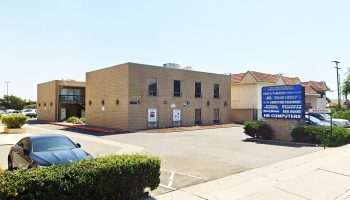
La Jolla Recovery


About La Jolla Recovery
La Jolla Recovery is a detox and residential program in La Jolla, California. It’s state licensed and Joint Commission accredited.
Their detox runs on a residential basis, running 24/7 for men, women and adolescents.
They also treat substance use and co occurring mental health conditions, including anxiety, depression and trauma.
Medication for Opioid Withdrawal
For heroin and other opiate use disorders, La Jolla Recovery’s medication-assisted detox uses buprenorphine, Subutex and Suboxone to manage withdrawal symptoms and cravings.
Medication is optional, so you can detox with or without it.
After Detox
Once detox ends, people move into La Jolla Recovery’s residential program. Residents can stay between 30 to 60 days.
After that comes their aftercare program, which runs six to nine months, and it includes weekly individual therapy, case management and 12 Step meetings.
They accept have TRICARE West and veteran-specific groups as well. Major health and insuracnce plans often cover treatment, too.
| Levels of Care | Detox Service Setting | Programs | Payment Options | ||||
|---|---|---|---|---|---|---|---|
|
Inpatient care here is the residential phase, and it starts once detox ends. Plan on 30 to 60 days for that stretch. |
Weekly outpatient work is the lightest level here. It fits someone who needs the least intensive care but still wants weekly sessions. |
Aftercare runs six to nine months, with weekly individual therapy and case management as needed. Twelve Step meetings come three times a week. |
Anxiety, depression, trauma and bipolar disorder sit inside the same treatment plan as substance use here. |
An intervention is a structured and professionally guided conversation with an individual who is struggling with addiction. During the conversation, family and friends will encourage you to seek treatment. This is often a pivotal step for those resistant to getting help. |
Sober living homes provide a supportive and substance free environment for you to live in as you overcome your addiction. Residents must follow house rules and support each other’s recovery journeys. Sober living fosters accountability and stability during this critical phase of recovery. |
Partial hospitalization programs provide comprehensive treatment in a structured setting during the day but allow you to return home at night. These programs offer a balance of inpatient and outpatient rehab and provide intensive support without full time residency. |
Intensive Outpatient
|
|
Detox runs around the clock and clients stay on site for it. That’s seven days a week, not a day-program schedule. |
Outpatient detox gives you access to medically supervised withdrawal services while still allowing you to live at home. You’ll attend a clinic for treatment and monitoring. This flexible option is suitable for those with mild to moderate withdrawal symptoms who have strong support systems. |
||||||
|
The residential housing takes men, women and adolescents, so adults and younger clients are both served here. |
Alcohol detox programs offer medical support to help individuals withdraw safely from alcohol. Your care team may use medications to ease your symptoms and provide medical monitoring to address complications.
|
Cognitive behavioral therapy is offered, alongside dialectical behavioral therapy and acceptance and commitment therapy. |
Needs of LGBTQ+ people are part of the culturally specific work, alongside women’s needs and couples’ needs. |
Men's programs address substance use while also considering the social pressures, family roles and mental health concerns that are specific to men. You’ll learn healthy coping mechanisms as you build emotional resilience and develop communication skills.
|
Opioid withdrawal is managed with buprenorphine, naloxone, Subutex or Suboxone. The medications aim at lower withdrawal symptoms and fewer cravings. |
Women are housed in the residential treatment housing, and their needs fall among the culturally specific areas covered. |
Young adult programs are designed for individuals who are transitioning into adulthood. Topics of discussion typically include identity, independence and peer relationships. Providers may also offer life skills training and career support.
|
|
Private Insurance
|
Self Pay
|
Levels of Care
Inpatient care here is the residential phase, and it starts once detox ends. Plan on 30 to 60 days for that stretch.
Weekly outpatient work is the lightest level here. It fits someone who needs the least intensive care but still wants weekly sessions.
Aftercare runs six to nine months, with weekly individual therapy and case management as needed. Twelve Step meetings come three times a week.
Anxiety, depression, trauma and bipolar disorder sit inside the same treatment plan as substance use here.
An intervention is a structured and professionally guided conversation with an individual who is struggling with addiction. During the conversation, family and friends will encourage you to seek treatment. This is often a pivotal step for those resistant to getting help.
Sober living homes provide a supportive and substance free environment for you to live in as you overcome your addiction. Residents must follow house rules and support each other’s recovery journeys. Sober living fosters accountability and stability during this critical phase of recovery.
Partial hospitalization programs provide comprehensive treatment in a structured setting during the day but allow you to return home at night. These programs offer a balance of inpatient and outpatient rehab and provide intensive support without full time residency.
Detox Service Setting
Detox runs around the clock and clients stay on site for it. That’s seven days a week, not a day-program schedule.
Outpatient detox gives you access to medically supervised withdrawal services while still allowing you to live at home. You’ll attend a clinic for treatment and monitoring. This flexible option is suitable for those with mild to moderate withdrawal symptoms who have strong support systems.
Programs
The residential housing takes men, women and adolescents, so adults and younger clients are both served here.
Cognitive behavioral therapy is offered, alongside dialectical behavioral therapy and acceptance and commitment therapy.
Needs of LGBTQ+ people are part of the culturally specific work, alongside women’s needs and couples’ needs.
Opioid withdrawal is managed with buprenorphine, naloxone, Subutex or Suboxone. The medications aim at lower withdrawal symptoms and fewer cravings.
Women are housed in the residential treatment housing, and their needs fall among the culturally specific areas covered.
Amenities
Accreditations

Accepted Insurance










Contact



Maygen Brockway, MTC, lives in scenic Southern Utah and has over 10 years of editing and writing experience. She’s created content for the medical, wedding, fashion, and technical industries. She loves poetry and coffee, writing, and being a social butterfly and a mom.
Detox.com regularly reviews this listing for accuracy but changes may occur between updates. For the most up-to-date information, please contact La Jolla Recovery.