

 800-262-4205
Lost Dreams Awaken DBA New Hope Recovery


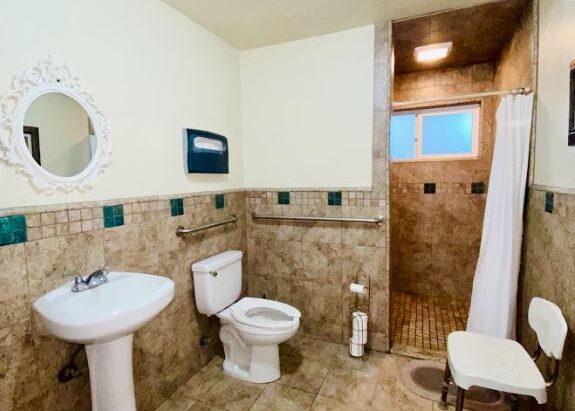
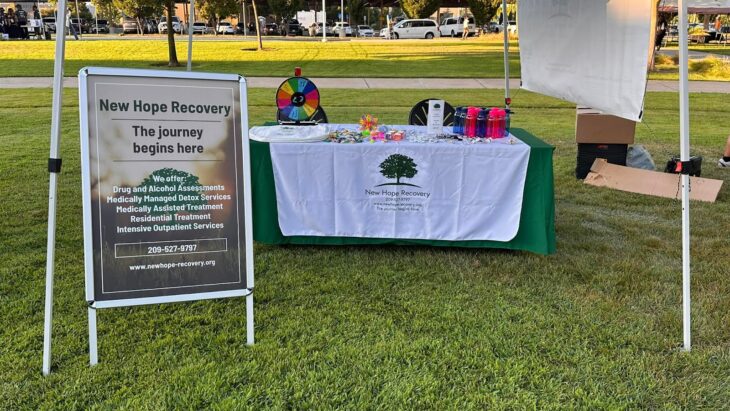
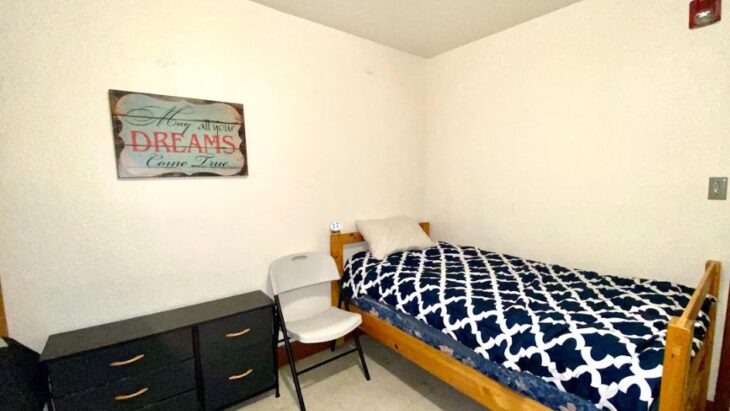


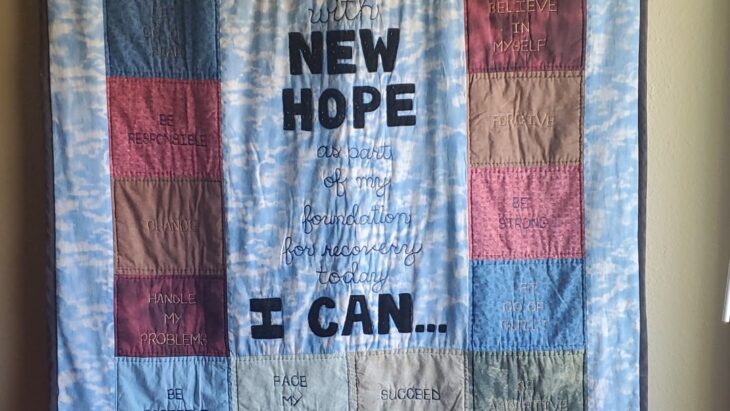

About Lost Dreams Awaken DBA New Hope Recovery
New Hope Recovery House is a mental health and substance use disorder treatment facility in Modesto, California. They offer detox services and residential treatment to help support your recovery. Additional levels of care available include day treatment and an intensive outpatient program.
Supervised Inpatient Detox
The facility can guide you through your first step of treatment which will be detox. While you’re in this inpatient program, you’ll receive 24 hour care and observation. The staff will work with you to develop an individualized plan that addresses your needs and provides a safe detox.
Your withdrawal symptoms will be managed through medication if necessary. Some common medication options that may be provided to you are buprenorphine, naltrexone and Suboxone.
The dosage you’re given will be monitored and adjusted to ensure that it’s effective at reducing your cravings and withdrawal symptoms. Your vital signs will also be monitored, and you’ll receive emotional support throughout the process to provide comfort and make sure complications are avoided.
Intensive Treatment After Detox
When you’ve completed detox, you’ll move forward with an intensive treatment protocol that will include individual and group therapy, support services, family education, and introduction to a 12 Step program. As you make progress in the residential program, you’ll eventually be able to downgrade to day treatment or the intensive outpatient program.
Positive Reviews
On average, the facility receives 4.4 stars out of five. One reviewer praised the staff for being extremely friendly, understanding and supportive. Another reviewer noted that the lessons they learned helped them get their life back.
| Levels of Care | Detox Service Setting | Programs | Payment Options | ||||
|---|---|---|---|---|---|---|---|
|
Inpatient and residential programs provide round-the-clock medical and emotional support as you live at the treatment facility. This level of care may be recommended if you have severe addictions or mental health conditions since it removes outside distractions and allows you to focus solely on therapy. |
In outpatient therapy, you’ll attend therapy sessions several times each week while living at home. This is ideal if you have a strong support system and a lower risk of relapse. Outpatient treatment offers flexibility to maintain work, school or family obligations. |
Dual diagnosis programs address substance use disorders and co-occurring mental health conditions simultaneously. This integrated approach to care improves the likelihood of long term recovery and stability by addressing the root causes of addiction. |
Sober living homes provide a supportive and substance free environment for you to live in as you overcome your addiction. Residents must follow house rules and support each other’s recovery journeys. Sober living fosters accountability and stability during this critical phase of recovery. |
||||
|
Inpatient detox occurs in a dedicated treatment facility. You’ll live there around the clock and receive intensive medical support and supervision to help manage your withdrawal symptoms. It is suitable for individuals with moderate to severe addictions as it ensures a stable detox environment. |
Outpatient detox gives you access to medically supervised withdrawal services while still allowing you to live at home. You’ll attend a clinic for treatment and monitoring. This flexible option is suitable for those with mild to moderate withdrawal symptoms who have strong support systems. |
||||||
|
Adult programs address the substance use and life challenges specific to adults. Therapists can deliver sessions in individual, group and family settings. Services often include job support and life skills training in a structured environment.
|
Alcohol detox programs offer medical support to help individuals withdraw safely from alcohol. Your care team may use medications to ease your symptoms and provide medical monitoring to address complications.
|
Drug detox programs support individuals who are withdrawing from addictive substances like cocaine and heroin. Medical support helps you manage symptoms in a controlled and safe environment so you can achieve initial sobriety.
|
LGBTQ friendly programs create an inclusive and affirming space for recovery. Treatment is sensitive to issues like discrimination and stigma. You’ll receive support and therapy that respects and acknowledges your unique experiences.
|
Men's programs address substance use while also considering the social pressures, family roles and mental health concerns that are specific to men. You’ll learn healthy coping mechanisms as you build emotional resilience and develop communication skills.
|
Opioid detox uses medications to ease severe withdrawal symptoms. It also includes medical supervision to help you manage potential complications. These services allow you to stabilize and begin a recovery plan.
|
Women's programs offer a safe and supportive space to focus on gender specific issues such as trauma, family roles and mental health conditions. Therapists tailor the sessions to address women's needs and foster empowerment in a healing and nurturing environment.
|
Young adult programs are designed for individuals who are transitioning into adulthood. Topics of discussion typically include identity, independence and peer relationships. Providers may also offer life skills training and career support.
|
|
Military Insurance
|
Private Insurance
|
Self Pay
|
Levels of Care
Inpatient and residential programs provide round-the-clock medical and emotional support as you live at the treatment facility. This level of care may be recommended if you have severe addictions or mental health conditions since it removes outside distractions and allows you to focus solely on therapy.
In outpatient therapy, you’ll attend therapy sessions several times each week while living at home. This is ideal if you have a strong support system and a lower risk of relapse. Outpatient treatment offers flexibility to maintain work, school or family obligations.
Dual diagnosis programs address substance use disorders and co-occurring mental health conditions simultaneously. This integrated approach to care improves the likelihood of long term recovery and stability by addressing the root causes of addiction.
Sober living homes provide a supportive and substance free environment for you to live in as you overcome your addiction. Residents must follow house rules and support each other’s recovery journeys. Sober living fosters accountability and stability during this critical phase of recovery.
Detox Service Setting
Inpatient detox occurs in a dedicated treatment facility. You’ll live there around the clock and receive intensive medical support and supervision to help manage your withdrawal symptoms. It is suitable for individuals with moderate to severe addictions as it ensures a stable detox environment.
Outpatient detox gives you access to medically supervised withdrawal services while still allowing you to live at home. You’ll attend a clinic for treatment and monitoring. This flexible option is suitable for those with mild to moderate withdrawal symptoms who have strong support systems.
Programs
Amenities
Accepted Insurance


Contact



Eric has a passion for content creation, whether it’s writing articles or making YouTube videos. He appreciates the power of storytelling to inform an audience about the information they need to know. In addition to writing, he also spends his time traveling and discovering new restaurants to enjoy a meal.

Kerry Nenn is a full-time freelance writer and prize-winning author. She contributes regularly to addiction-recovery sites, international journal publications, and Christian ministries. Her published works include 10 books and myriad articles. Her work has received recognition both locally and nationally.
Detox.com regularly reviews this listing for accuracy but changes may occur between updates. For the most up-to-date information, please contact Lost Dreams Awaken DBA New Hope Recovery.
Nearby Detox Centers



Search by California Cities
FAQs
What type of residential recovery program does New Hope Recovery offer in Modesto?
New Hope Recovery House is a residential recovery home in Modesto, California, designed for adults seeking recovery from alcohol and drug addiction. The facility provides a safe, structured environment where residents build a foundation for long-term sobriety through accountability, peer support, and recovery planning. Men and women are housed separately.
Is New Hope Recovery based on 12-step recovery, and what is required?
Yes, New Hope Recovery House operates on a 12-step recovery model. The program requires residents to attend daily Alcoholics Anonymous and Narcotics Anonymous meetings, obtain a sponsor, and work through the 12 steps. This peer-based approach is central to the facility’s structured recovery environment.
What should someone bring to New Hope Recovery, and what is not allowed?
Residents should bring enough clothing for at least seven days, as laundry is done weekly. All medications must be in their original pharmacy bottles and will be stored and dispensed by staff. Items that cannot be brought include drugs, alcohol, weapons, and pornography, as these jeopardize safety and recovery.
What does the daily program at New Hope Recovery include?
New Hope Recovery House focuses on relapse prevention, life skills, and recovery support. The program includes 12-step meetings, individual and group counseling, and random drug testing. The structured approach helps residents develop accountability and the tools needed to maintain sobriety after leaving the facility.
Does New Hope Recovery accept men and women, and are they separated?
New Hope Recovery House serves adult men and women ages 18 and older in need of a structured recovery environment. Men and women are housed separately within the facility to maintain a safe and supportive living space for all residents.