

 800-671-4304
Prototypes Women’s Center
About Prototypes Women’s Center
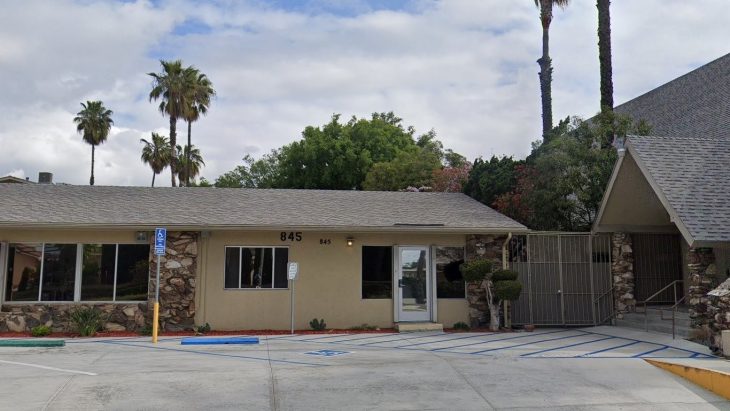
Prototypes Women’s Center provides essential detoxification services in Pomona, California. They provide safety and shelter for those in need while emphasizing the promotion of self sufficiency. They have specialized tracks for African American women and Latinas. Programs are available for adults, kids, and teens.
The organization was founded in 1986 with the goal of revolutionizing treatment for women and their children by Vivian Brown and Maryann Fraser. They continue to offer a lifeline to women who are struggling with addiction and severe problems like mental illness and domestic abuse. They offer their programs at the clinic or can come to your school, home, or office.
Many of the women they serve are mothers who must make the painful choice of either placing their kids in foster care or letting them continue to struggle. Residential and outpatient treatment for substance use disorders, prevention and education, job training and parenting support are just a few of the services provided by their team of committed professionals.
In order to promote stability and rehabilitation, they offer parenting education and life skills classes. These programs can accommodate women who want to include their children in treatment as well as those who prefer to enter treatment alone. Specialized programs include massages for infants, parenting classes, and legal advocacy for juveniles under court orders.
Their clinical interventions and therapeutic setting which are based on evidence-based practices like cognitive behavioral therapy (CBT) are customized to accommodate the various needs of participants.
| Levels of Care | Detox Service Setting | Programs | Payment Options | ||
|---|---|---|---|---|---|
|
Inpatient and residential programs provide round-the-clock medical and emotional support as you live at the treatment facility. This level of care may be recommended if you have severe addictions or mental health conditions since it removes outside distractions and allows you to focus solely on therapy. |
In outpatient therapy, you’ll attend therapy sessions several times each week while living at home. This is ideal if you have a strong support system and a lower risk of relapse. Outpatient treatment offers flexibility to maintain work, school or family obligations. |
Dual diagnosis programs address substance use disorders and co-occurring mental health conditions simultaneously. This integrated approach to care improves the likelihood of long term recovery and stability by addressing the root causes of addiction. |
Prototypes provides supportive and transitional housing with community-based reentry support, intensive case management, and connections to employment and housing resources for women reentering the community. |
||
|
Inpatient detox occurs in a dedicated treatment facility. You’ll live there around the clock and receive intensive medical support and supervision to help manage your withdrawal symptoms. It is suitable for individuals with moderate to severe addictions as it ensures a stable detox environment. |
Outpatient detox gives you access to medically supervised withdrawal services while still allowing you to live at home. You’ll attend a clinic for treatment and monitoring. This flexible option is suitable for those with mild to moderate withdrawal symptoms who have strong support systems. |
||||
|
Adult programs address the substance use and life challenges specific to adults. Therapists can deliver sessions in individual, group and family settings. Services often include job support and life skills training in a structured environment. |
Alcohol detox programs offer medical support to help individuals withdraw safely from alcohol. Your care team may use medications to ease your symptoms and provide medical monitoring to address complications. |
Cognitive behavioral therapy focuses on changing harmful thought patterns and behaviors associated with addiction. You’ll learn healthier coping mechanisms by identifying and replacing negative thoughts. This improves your emotional resilience and decreases your relapse potential. |
Opioid detox uses medications to ease severe withdrawal symptoms. It also includes medical supervision to help you manage potential complications. These services allow you to stabilize and begin a recovery plan. |
Women's programs offer a safe and supportive space to focus on gender specific issues such as trauma, family roles and mental health conditions. Therapists tailor the sessions to address women's needs and foster empowerment in a healing and nurturing environment. |
Young adult programs are designed for individuals who are transitioning into adulthood. Topics of discussion typically include identity, independence and peer relationships. Providers may also offer life skills training and career support. |
|
Private Insurance
|
Self Pay
|
Levels of Care
Inpatient and residential programs provide round-the-clock medical and emotional support as you live at the treatment facility. This level of care may be recommended if you have severe addictions or mental health conditions since it removes outside distractions and allows you to focus solely on therapy.
In outpatient therapy, you’ll attend therapy sessions several times each week while living at home. This is ideal if you have a strong support system and a lower risk of relapse. Outpatient treatment offers flexibility to maintain work, school or family obligations.
Dual diagnosis programs address substance use disorders and co-occurring mental health conditions simultaneously. This integrated approach to care improves the likelihood of long term recovery and stability by addressing the root causes of addiction.
Prototypes provides supportive and transitional housing with community-based reentry support, intensive case management, and connections to employment and housing resources for women reentering the community.
Detox Service Setting
Inpatient detox occurs in a dedicated treatment facility. You’ll live there around the clock and receive intensive medical support and supervision to help manage your withdrawal symptoms. It is suitable for individuals with moderate to severe addictions as it ensures a stable detox environment.
Outpatient detox gives you access to medically supervised withdrawal services while still allowing you to live at home. You’ll attend a clinic for treatment and monitoring. This flexible option is suitable for those with mild to moderate withdrawal symptoms who have strong support systems.
Programs
Adult programs address the substance use and life challenges specific to adults. Therapists can deliver sessions in individual, group and family settings. Services often include job support and life skills training in a structured environment.
Alcohol detox programs offer medical support to help individuals withdraw safely from alcohol. Your care team may use medications to ease your symptoms and provide medical monitoring to address complications.
Cognitive behavioral therapy focuses on changing harmful thought patterns and behaviors associated with addiction. You’ll learn healthier coping mechanisms by identifying and replacing negative thoughts. This improves your emotional resilience and decreases your relapse potential.
Opioid detox uses medications to ease severe withdrawal symptoms. It also includes medical supervision to help you manage potential complications. These services allow you to stabilize and begin a recovery plan.
Women's programs offer a safe and supportive space to focus on gender specific issues such as trauma, family roles and mental health conditions. Therapists tailor the sessions to address women's needs and foster empowerment in a healing and nurturing environment.
Young adult programs are designed for individuals who are transitioning into adulthood. Topics of discussion typically include identity, independence and peer relationships. Providers may also offer life skills training and career support.
Accreditations

Contact




Peter W.Y. Lee is a historian with a focus in American Cold War culture. He has examined how popular culture has served as a coping mechanism for the challenges and changes impacting American society throughout the twentieth century.
Nearby Detox Centers



Search by California Cities
FAQs
What substance use treatment programs does Prototypes Women's Center offer?
Prototypes Women’s Center provides residential and outpatient drug and alcohol treatment services designed specifically for women. The facility offers trauma-informed and strengths-based treatment that addresses both substance use and mental health needs, with specialized programs for pregnant and parenting women.
Does Prototypes Women's Center treat co-occurring substance use and mental health issues?
Yes, Prototypes Women’s Center is licensed as both a drug and alcohol treatment program and a mental health provider in Los Angeles County. The facility integrates substance use and mental health counseling to address co-occurring conditions as part of its trauma-informed care approach for women.
What support services are available for women with children at Prototypes?
Prototypes Women’s Center provides family-centered services including parenting education, support for family reunification, and treatment options that allow women to remain with their children during recovery. The facility also offers case management and connections to community resources to support families healing together.
Does Prototypes Women's Center help women transitioning from incarceration?
Yes, the facility provides reentry support for women leaving the criminal justice system. Services include intensive case management, support groups, connections to job training, and access to transitional and supportive housing to help women rebuild stability in the community.
What types of housing support does Prototypes Women's Center offer?
Prototypes Women’s Center provides both transitional and supportive housing for women in recovery from substance use and mental health challenges. The facility integrates housing with treatment services, case management, and employment assistance as part of comprehensive wraparound support.
What treatment approaches does Prototypes Women's Center use in Pomona?
Prototypes Women’s Center uses trauma-informed and strengths-based treatment approaches tailored to women’s specific needs. Services include substance use and mental health counseling, life skills training, employment assistance, parenting education, and connections to community resources for whole-person recovery.