

 800-262-4205
Tom Waddell Urban Health Clinic

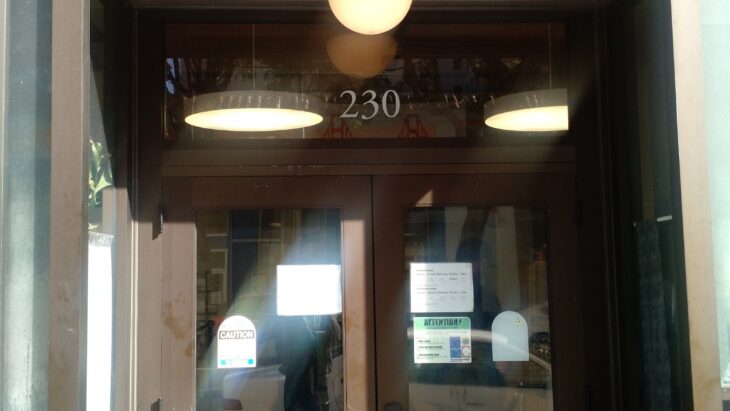
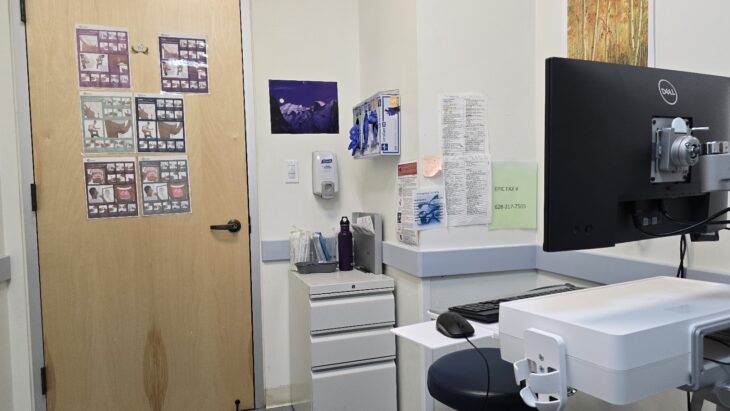
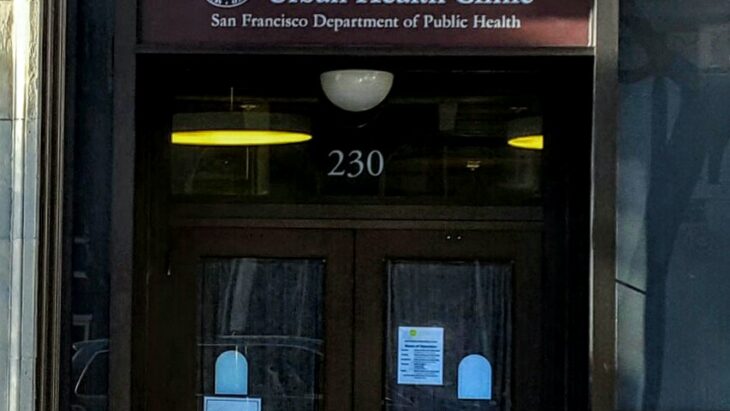
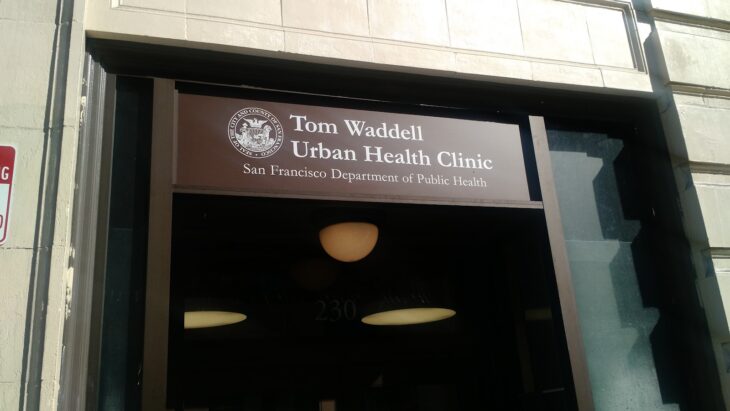
About Tom Waddell Urban Health Clinic
Tom Waddell Urban Health Clinic provides integrated care for homeless adults, supportive housing residents, and the broader Tenderloin community in San Francisco, California. They’re one of 14 networks of neighborhood clinics operated by the city’s Department of Public Health. Tom Waddell offers primary medical care, infectious disease treatment, and substance use recovery. They also offer mental health counseling and gender-affirming care for transgender and gender diverse communities.
Their staff are diverse, uniquely experienced and driven by a commitment to social justice and equitable healthcare. We like that they can offer multilingual support with staff fluent in Spanish, French, and Italian alongside English.
Tom Waddell is situated on Golden Gate Avenue in downtown San Francisco and a few minutes walk from Yerba Buena Gardens. They’re close to Interstate 80 alongside US Route 101. Muni Bus Routes 5, 7, 9, and 38 have stops near the clinic. BART’s Civic Center Station is a five minute walk for rail services.
Whole-Health Care for Holistic Healing
The clinic delivers culturally responsive and trauma-informed care to address the unique recovery needs of clients and ensure lasting healing. Clients are seen by multiple providers in one visit. Their office-based opioid addiction recovery uses FDA-approved meds to help you manage painful withdrawal symptoms and curb physiological cravings via medication assisted treatment (MAT). This program also includes harm reduction counseling to let you tackle underlying psychological issues and build solid sober and relapse prevention strategies.
The clinic offers HIV and Hepatitis C testing and treatment for those who inject IV drugs. Testing facilitates early detection and helps you access treatment earlier while preventing community spread. These preventive care also form important care components for people identifying as transgender, nonbinary, and gender expansive.
Additional services include mental health support, blood testing, and wellness services like acupuncture and massage therapy to ensure holistic healing. Their staff can facilitate transitional or permanent housing through the city’s programs. They can also offer referrals to other community or county social services to ensure sustained recovery. This may include nutrition or food assistance, job placement, and education programs.
| Levels of Care | Detox Service Setting | Programs | Payment Options | ||||
|---|---|---|---|---|---|---|---|
|
In outpatient therapy, you’ll attend therapy sessions several times each week while living at home. This is ideal if you have a strong support system and a lower risk of relapse. Outpatient treatment offers flexibility to maintain work, school or family obligations. |
|||||||
|
Outpatient detox gives you access to medically supervised withdrawal services while still allowing you to live at home. You’ll attend a clinic for treatment and monitoring. This flexible option is suitable for those with mild to moderate withdrawal symptoms who have strong support systems. |
Medication assisted treatment combines medication and counseling to manage withdrawal and reduce cravings for opioid and alcohol addiction. Medications may include methadone, buprenorphine or naltrexone. MAT is tailored to your needs so you can actively participate in your treatment journey. |
||||||
|
Adult programs address the substance use and life challenges specific to adults. Therapists can deliver sessions in individual, group and family settings. Services often include job support and life skills training in a structured environment.
|
Alcohol detox programs offer medical support to help individuals withdraw safely from alcohol. Your care team may use medications to ease your symptoms and provide medical monitoring to address complications.
|
Drug detox programs support individuals who are withdrawing from addictive substances like cocaine and heroin. Medical support helps you manage symptoms in a controlled and safe environment so you can achieve initial sobriety.
|
Men's programs address substance use while also considering the social pressures, family roles and mental health concerns that are specific to men. You’ll learn healthy coping mechanisms as you build emotional resilience and develop communication skills.
|
Opioid detox uses medications to ease severe withdrawal symptoms. It also includes medical supervision to help you manage potential complications. These services allow you to stabilize and begin a recovery plan.
|
Women's programs offer a safe and supportive space to focus on gender specific issues such as trauma, family roles and mental health conditions. Therapists tailor the sessions to address women's needs and foster empowerment in a healing and nurturing environment.
|
Young adult programs are designed for individuals who are transitioning into adulthood. Topics of discussion typically include identity, independence and peer relationships. Providers may also offer life skills training and career support.
|
LGBTQ friendly programs create an inclusive and affirming space for recovery. Treatment is sensitive to issues like discrimination and stigma. You’ll receive support and therapy that respects and acknowledges your unique experiences. |
|
Payment Assistance
|
Medicaid
|
Medicare
|
Self Pay
|
Levels of Care
In outpatient therapy, you’ll attend therapy sessions several times each week while living at home. This is ideal if you have a strong support system and a lower risk of relapse. Outpatient treatment offers flexibility to maintain work, school or family obligations.
Detox Service Setting
Outpatient detox gives you access to medically supervised withdrawal services while still allowing you to live at home. You’ll attend a clinic for treatment and monitoring. This flexible option is suitable for those with mild to moderate withdrawal symptoms who have strong support systems.
Medication assisted treatment combines medication and counseling to manage withdrawal and reduce cravings for opioid and alcohol addiction. Medications may include methadone, buprenorphine or naltrexone. MAT is tailored to your needs so you can actively participate in your treatment journey.
Programs
LGBTQ friendly programs create an inclusive and affirming space for recovery. Treatment is sensitive to issues like discrimination and stigma. You’ll receive support and therapy that respects and acknowledges your unique experiences.
Amenities
Accreditations

Accepted Insurance
Contact


- Monday 8:30AM - 4:30PM
- Tuesday 8:30AM - 4:30PM
- Wednesday 8:30AM - 4:30PM
- Thursday 8:30AM - 4:30PM
- Friday 8:30AM - 4:30PM

Chika Uchendu has expertise in personal finance, technology, and health. His journalism and digital marketing background enables him to combine data-driven analysis with engaging storytelling. Chika uses his voice to drive awareness and meaningful change among people dealing with the pandemic of substance use disorder. Chika is an ambivert who enjoys sports, hiking, reading, and video gaming.

Peter W.Y. Lee is a historian with a focus in American Cold War culture. He has examined how popular culture has served as a coping mechanism for the challenges and changes impacting American society throughout the twentieth century.
Detox.com regularly reviews this listing for accuracy but changes may occur between updates. For the most up-to-date information, please contact Tom Waddell Urban Health Clinic.
Nearby Detox Centers



Search by California Cities
FAQs
Does Tom Waddell Urban Health Clinic offer medication-assisted treatment for opioid detox?
Yes, the clinic provides buprenorphine (Suboxone) treatment for opioid use disorder as part of its medication-assisted treatment program. The medical team also offers naloxone and harm reduction counseling alongside medication treatment to support individuals managing opioid addiction in San Francisco.
What substance use services are available at Tom Waddell Urban Health Clinic?
The clinic offers outpatient substance use services including buprenorphine/Suboxone treatment, naloxone distribution, syringe access, safer use supplies, harm reduction counseling, and case management. Staff also provide linkage to additional treatment resources as needed.
Is Tom Waddell Urban Health Clinic LGBTQ friendly for addiction treatment?
Yes, the clinic is LGBTQ-friendly and provides specialized services for transgender patients. The facility integrates primary care with behavioral health and substance use treatment in a welcoming environment at its Golden Gate Avenue location in San Francisco.
What happens during the intake process for substance use treatment at Tom Waddell?
The clinic conducts assessments and case management during intake to determine appropriate treatment options. The team connects individuals with medication-assisted treatment, harm reduction support, and counseling services tailored to each person’s needs and goals.
Does the clinic serve people experiencing homelessness seeking addiction treatment?
Yes, the clinic operates a Whole Person Integrated Care program specifically designed for people experiencing homelessness. This program combines primary care, behavioral health, and substance use services to address multiple health and social needs in one location.