

 800-262-4205
Miracles Detox/Recovery Program at Culver City 

About Miracles Detox/Recovery Program at Culver City
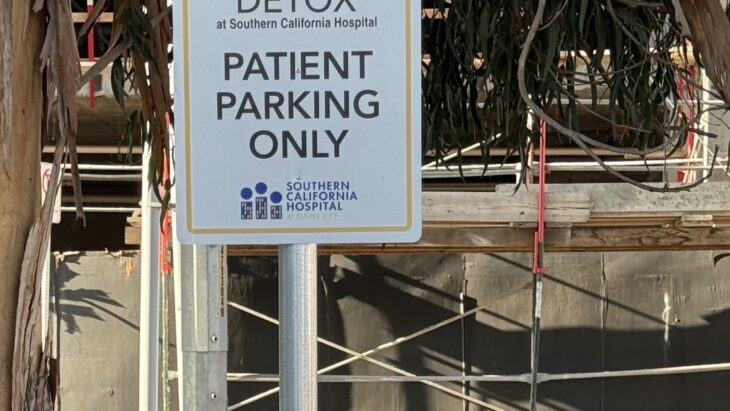
Miracles Detox/Recovery Program at Culver City is a hospital based addiction treatment center in Culver City, California providing short term inpatient medical detox for adults facing substance use issues.
Located within Southern California Hospital at Culver City, the program combines acute detoxification with dual diagnosis care and 12 step programming as well as counseling and aftercare planning to help patients safely begin recovery.
What kinds of addiction treatment does Miracles Detox offer?
The core program is inpatient acute medical detox, typically a three-to-seven-day stay, delivered in an 18-bed hospital unit.
Care includes assessments and education and recovery groups, counseling, medication management, and continuum-of-care planning. Intensive outpatient and partial outpatient programming are available as post-detox options.
Who can get help here?
The program serves adult men and women managing alcohol and opioid, stimulant and sedative, prescription, and pain-medication dependence.
It also provides dual-diagnosis support for co-occurring mental health and substance-use concerns with Spanish language and translation services available.
Where is the program located?
Miracles Detox is inside Southern California Hospital at Culver City situated between Sony Pictures Studio and Culver City Hall. The hospital is accessible from Venice, Washington and Culver boulevards and serves surrounding Los Angeles County communities.
Do they take insurance or self-pay?
The program accepts both in-network and out-of-network insurance including most private and government plans such as Medicare and Medi-Cal. Private pay rates and major credit card payment methods are also available.
| Levels of Care | Detox Service Setting | Programs | Payment Options | Medications Offered |
|---|---|---|---|---|
|
Inpatient and residential programs provide round-the-clock medical and emotional support as you live at the treatment facility. This level of care may be recommended if you have severe addictions or mental health conditions since it removes outside distractions and allows you to focus solely on therapy. |
In outpatient therapy, you’ll attend therapy sessions several times each week while living at home. This is ideal if you have a strong support system and a lower risk of relapse. Outpatient treatment offers flexibility to maintain work, school or family obligations. |
Dual diagnosis programs address substance use disorders and co-occurring mental health conditions simultaneously. This integrated approach to care improves the likelihood of long term recovery and stability by addressing the root causes of addiction. |
Aftercare programs provide ongoing support after you complete a rehab program. They may include several components to help you maintain sobriety including therapy, community support groups and relapse prevention strategies. This gives you a network of resources as you reintegrate into your daily life. |
|
|
Hospital detoxification allows you to withdraw from drugs or alcohol in a hospital setting. It’s ideal for people with severe withdrawal symptoms or complex medical needs. You’ll receive constant monitoring, emergency care if needed and FDA approved prescription medications. |
Inpatient detox occurs in a dedicated treatment facility. You’ll live there around the clock and receive intensive medical support and supervision to help manage your withdrawal symptoms. It is suitable for individuals with moderate to severe addictions as it ensures a stable detox environment. |
Outpatient detox gives you access to medically supervised withdrawal services while still allowing you to live at home. You’ll attend a clinic for treatment and monitoring. This flexible option is suitable for those with mild to moderate withdrawal symptoms who have strong support systems. |
||
|
Adult programs address the substance use and life challenges specific to adults. Therapists can deliver sessions in individual, group and family settings. Services often include job support and life skills training in a structured environment.
|
Alcohol detox programs offer medical support to help individuals withdraw safely from alcohol. Your care team may use medications to ease your symptoms and provide medical monitoring to address complications. |
Drug detox programs support individuals who are withdrawing from addictive substances like cocaine and heroin. Medical support helps you manage symptoms in a controlled and safe environment so you can achieve initial sobriety. |
Opioid detox uses medications to ease severe withdrawal symptoms. It also includes medical supervision to help you manage potential complications. These services allow you to stabilize and begin a recovery plan. |
|
|
Self Pay
|
Medicare
|
Private Insurance
|
Military Insurance
|
|
|
Buprenorphine
|
Levels of Care
Inpatient and residential programs provide round-the-clock medical and emotional support as you live at the treatment facility. This level of care may be recommended if you have severe addictions or mental health conditions since it removes outside distractions and allows you to focus solely on therapy.
In outpatient therapy, you’ll attend therapy sessions several times each week while living at home. This is ideal if you have a strong support system and a lower risk of relapse. Outpatient treatment offers flexibility to maintain work, school or family obligations.
Dual diagnosis programs address substance use disorders and co-occurring mental health conditions simultaneously. This integrated approach to care improves the likelihood of long term recovery and stability by addressing the root causes of addiction.
Aftercare programs provide ongoing support after you complete a rehab program. They may include several components to help you maintain sobriety including therapy, community support groups and relapse prevention strategies. This gives you a network of resources as you reintegrate into your daily life.
Detox Service Setting
Hospital detoxification allows you to withdraw from drugs or alcohol in a hospital setting. It’s ideal for people with severe withdrawal symptoms or complex medical needs. You’ll receive constant monitoring, emergency care if needed and FDA approved prescription medications.
Inpatient detox occurs in a dedicated treatment facility. You’ll live there around the clock and receive intensive medical support and supervision to help manage your withdrawal symptoms. It is suitable for individuals with moderate to severe addictions as it ensures a stable detox environment.
Outpatient detox gives you access to medically supervised withdrawal services while still allowing you to live at home. You’ll attend a clinic for treatment and monitoring. This flexible option is suitable for those with mild to moderate withdrawal symptoms who have strong support systems.
Programs
Alcohol detox programs offer medical support to help individuals withdraw safely from alcohol. Your care team may use medications to ease your symptoms and provide medical monitoring to address complications.
Drug detox programs support individuals who are withdrawing from addictive substances like cocaine and heroin. Medical support helps you manage symptoms in a controlled and safe environment so you can achieve initial sobriety.
Opioid detox uses medications to ease severe withdrawal symptoms. It also includes medical supervision to help you manage potential complications. These services allow you to stabilize and begin a recovery plan.
Medications Offered
Amenities
Accepted Insurance


Contact


- Monday Open 24 hours
- Tuesday Open 24 hours
- Wednesday Open 24 hours
- Thursday Open 24 hours
- Friday Open 24 hours
- Saturday Open 24 hours
- Sunday Open 24 hours

Kimberly Hawkins holds a Masters degree in Computing and Information Sciences from East Tennessee State University. She is also a freelance writer specializing in content related to mental health, addiction recovery, and overall wellness. On Valentine’s Day of 2024, Kimberly’s only sibling passed away of an accidental drug overdose. Since then, Kimberly has become a passionate advocate for addiction recovery awareness and support.
Detox.com regularly reviews this listing for accuracy but changes may occur between updates. For the most up-to-date information, please contact Miracles Detox/Recovery Program at Culver City.
Nearby Detox Centers


Search by California Cities
FAQs
What substances does Miracles Detox in Culver City provide detoxification for?
Miracles Detox/Recovery Program at Southern California Hospital provides medical detoxification for alcohol, opioids, benzodiazepines, stimulants, and other substances. The facility’s medical team supervises withdrawal from each substance type with individualized treatment planning based on each patient’s specific needs and substance use history.
Is medical detox available with 24/7 supervision at Miracles Detox Culver City?
Yes, Miracles Detox provides medically supervised detoxification with 24/7 nursing care and physician support. Patients are monitored around the clock by a multidisciplinary team including physicians, nurses, psychiatrists, therapists, and case managers to ensure safety and manage withdrawal symptoms throughout the detox process.
What happens after detox at Miracles Detox Recovery Program in Culver City?
Discharge planning begins upon admission at Miracles Detox. After completing detoxification, patients may transition into the facility’s inpatient recovery program for continued treatment. The team provides referrals to inpatient rehabilitation, outpatient treatment, and community resources to support ongoing recovery and help prevent relapse.
What insurance does Miracles Detox at Southern California Hospital accept?
Miracles Detox accepts Aetna, Blue Cross Blue Shield, Cigna, and UnitedHealth Group. The facility also offers self-pay options and payment arrangements for patients without insurance. Patients should contact their insurance company to verify coverage, or call the facility’s billing office for assistance with verification and payment questions.
What types of therapy and support are included in Miracles Detox programming?
Miracles Detox includes individual and group counseling, education sessions focused on relapse prevention and recovery skills, and supportive services designed to build a foundation for long-term recovery. The program combines structured group-based activities with individualized treatment planning to address each patient’s unique needs during stabilization and transition to ongoing care.
Who does Miracles Detox in Culver City serve, and what languages are available?
Miracles Detox serves adults 18 and older struggling with substance use disorders. Interpreter services are available for patients and families who need language assistance, ensuring that non-English speakers can access information about detox services and participate fully in their treatment and recovery planning.