916-299-0679
Elevate Addiction Services
Watsonville, CA
95076
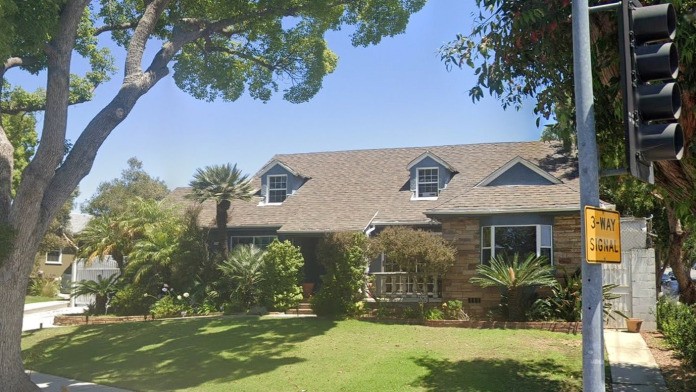

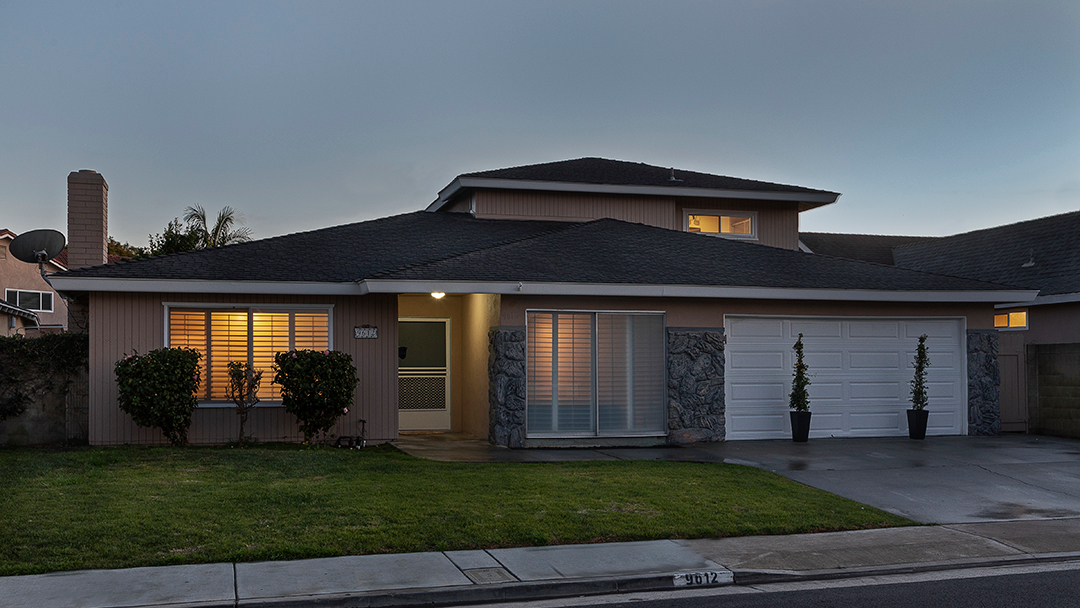
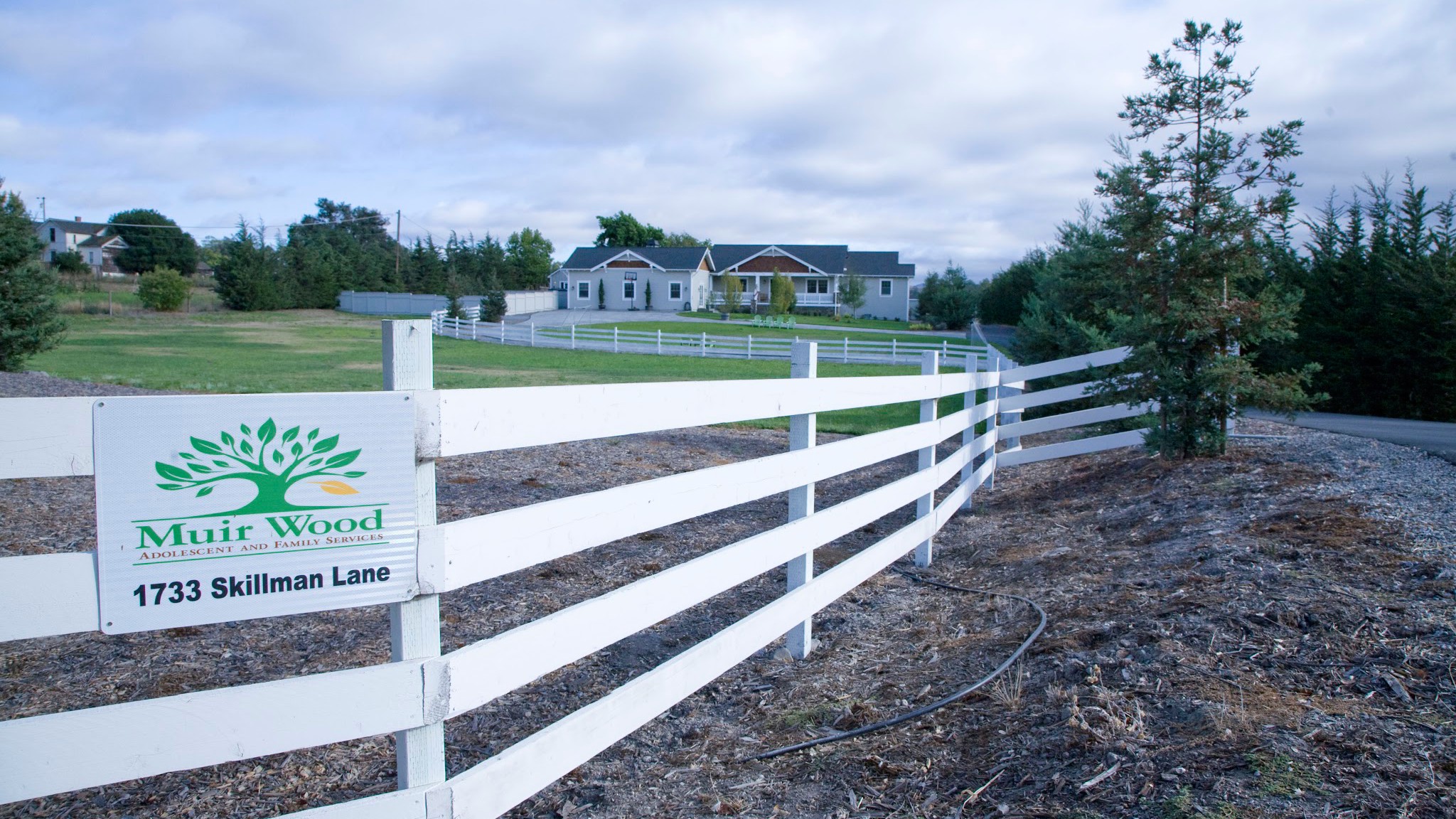
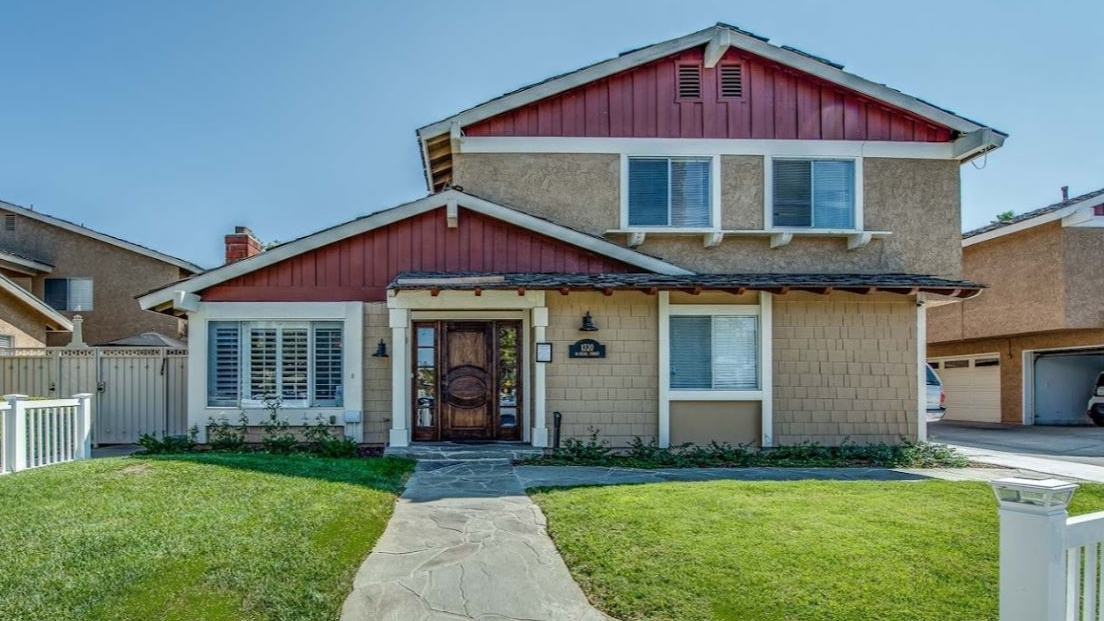
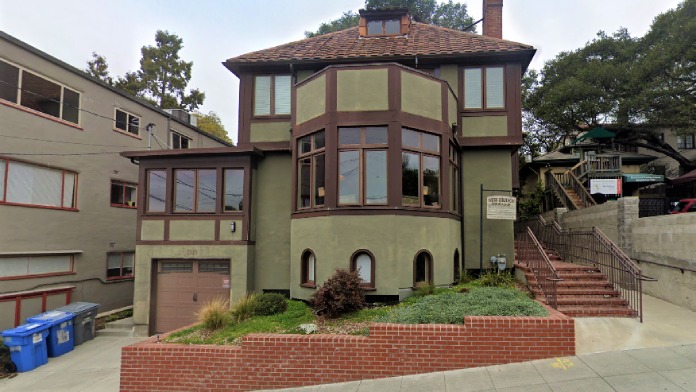

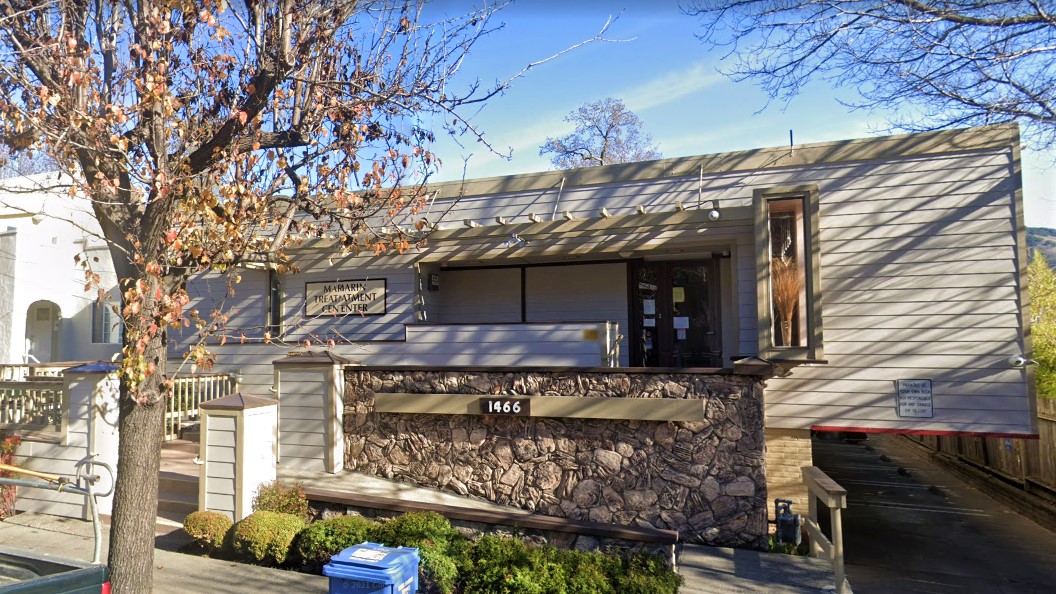
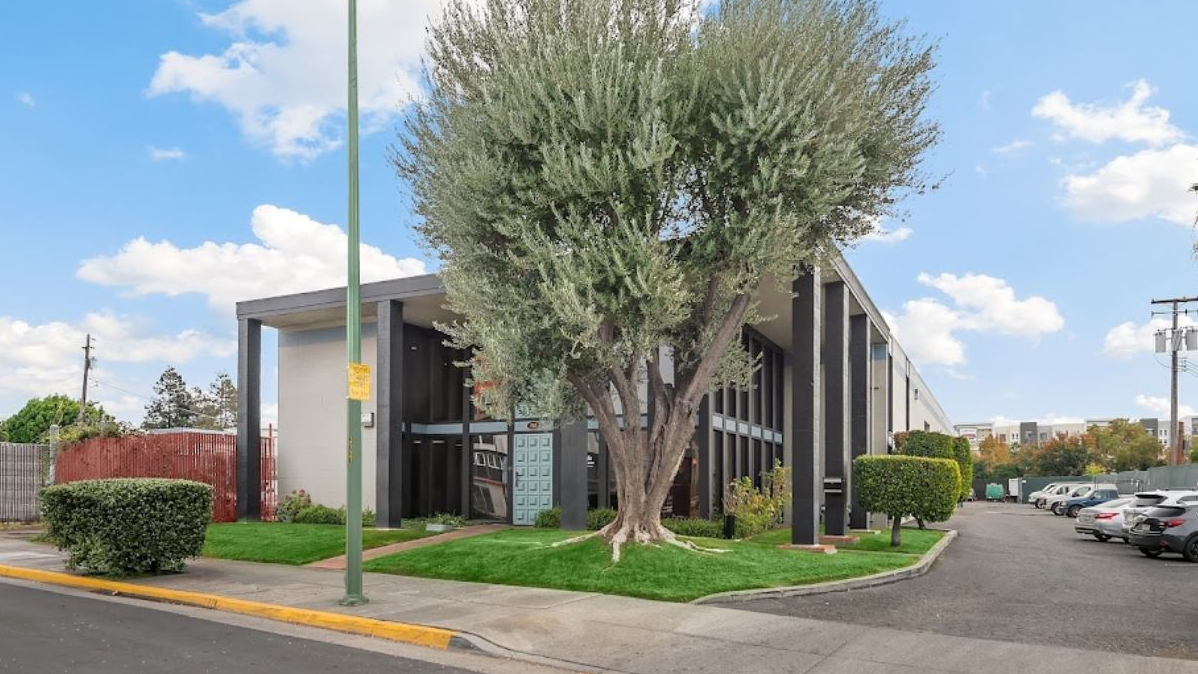
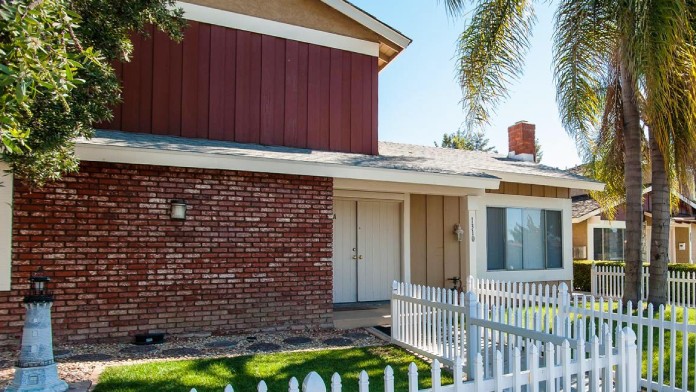
| Name | Address | Detox Service Setting | Levels Of Care | Media |
|---|---|---|---|---|
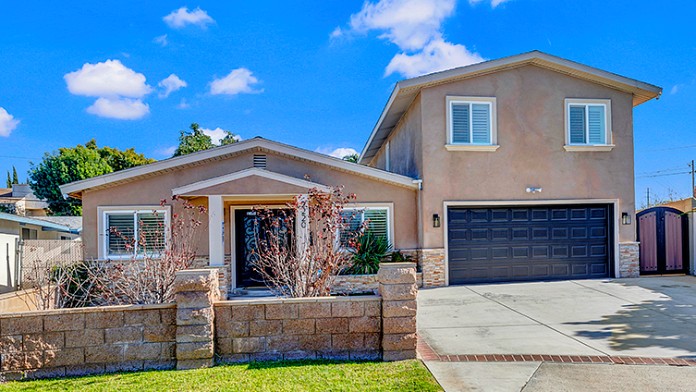
Inland Family Community Health Center |
665 North D Street San Bernardino, CA 92401 |
Detox Service Setting
Outpatient Detox
|
Levels Of Care
OutpatientDual Diagnosis
|
|
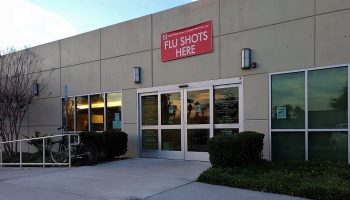
Inland Valley Recovery Services |
939 North D Street San Bernardino, CA 92410 |
Detox Service Setting
Inpatient DetoxOutpatient Detox
|
Levels Of Care
InpatientOutpatientAftercare+2
|
|
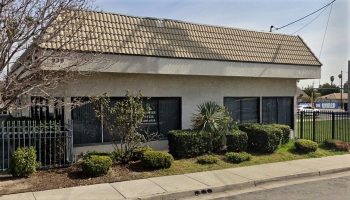
MHS San Bernardino Center for Change PRIDE |
2020 North Waterman Avenue San Bernardino, CA 92404 |
Detox Service Setting
Inpatient DetoxOutpatient Detox
|
Levels Of Care
InpatientOutpatientIntensive Outpatient+2
|
|
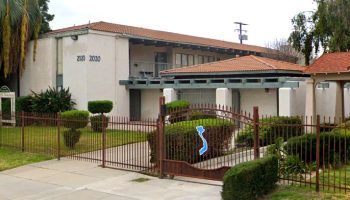
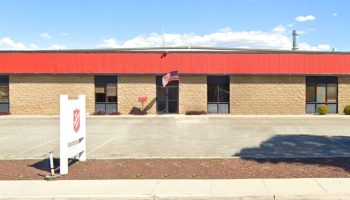
The Salvation Army San Bernardino Adult Rehabilitation Center |
363 South Doolittle Street San Bernardino, CA 92408 |
Detox Service Setting
Inpatient DetoxOutpatient Detox
|
Levels Of Care
InpatientOutpatientAftercare
|
|
IVRS San Bernardino |
939 N D St San Bernardino, CA 92410 |
Detox Service Setting
Inpatient DetoxOutpatient Detox
|
Levels Of Care
InpatientOutpatient
|
|
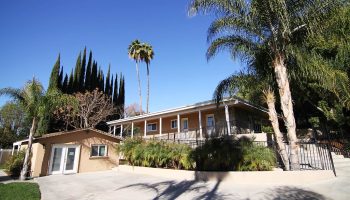
New Creation Treatment Prado House |
23950 Prado Lane Colton, CA 92324 |
Detox Service Setting
Inpatient DetoxOutpatient Detox
|
Levels Of Care
InpatientOutpatientAftercare+3
|
|
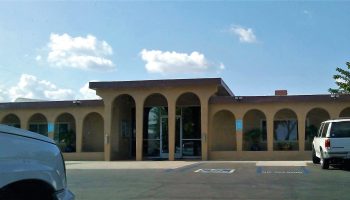
Cedar House Life Change Center |
18612 Santa Ana Avenue Bloomington, CA 92316 |
Detox Service Setting
Inpatient DetoxOutpatient Detox
|
Levels Of Care
InpatientOutpatientDual Diagnosis+1
|
|
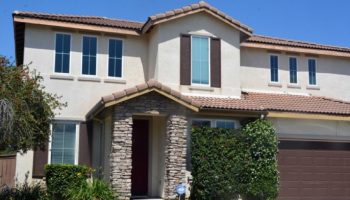
Destiny Recovery Center |
1539 Carolyn Ct Redlands, CA 92374 |
Detox Service Setting
Inpatient DetoxOutpatient Detox
|
Levels Of Care
InpatientOutpatient
|
|
Liberty House Recovery |
710 The Terrace Redlands, CA 92374 |
Detox Service Setting
Inpatient DetoxOutpatient Detox
|
Levels Of Care
InpatientOutpatient
|

|
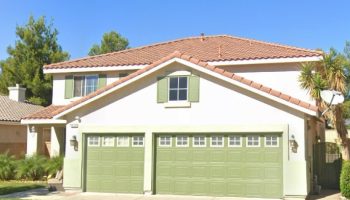
Amazonite Treatment Center |
16122 Copperhead Ct Fontana, CA 92336 |
Detox Service Setting
Inpatient DetoxOutpatient Detox
|
Levels Of Care
InpatientOutpatient
|
|
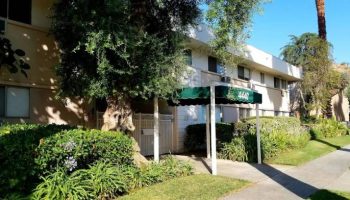
MFI Recovery Center – Mt Rubidoux Treatment Center and Detox |
4440 University Ave Riverside, CA 92501 |
Detox Service Setting
Inpatient DetoxOutpatient Detox
|
Levels Of Care
InpatientOutpatient
|
|
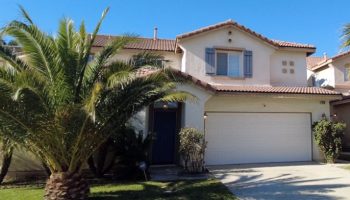
Grace Hope Treatment and Recovery Centers |
7446 Lime Ave Fontana, CA 92336 |
Detox Service Setting
Inpatient DetoxOutpatient Detox
|
Levels Of Care
InpatientOutpatient
|
|
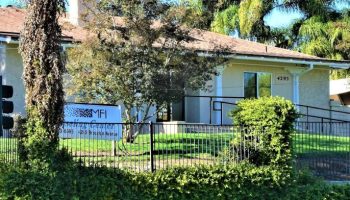
MFI Recovery Center A Womans Place Riverside |
4295 Brockton Ave Riverside, CA 92501 |
Detox Service Setting
Inpatient DetoxOutpatient Detox
|
Levels Of Care
InpatientOutpatient
|
|
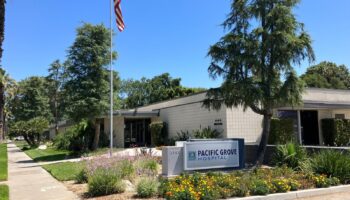
Pacific Grove Hospital |
5900 Brockton Avenue Riverside, CA 92506 |
Detox Service Setting
Inpatient DetoxOutpatient Detox
|
Levels Of Care
InpatientIntensive OutpatientOutpatient+2
|
|
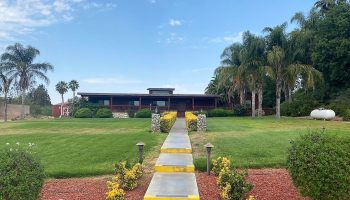
Sunrise Recovery Ranch |
6690 Limonite Frontage Road Riverside, CA 92509 |
Detox Service Setting
Inpatient DetoxMAT
|
Levels Of Care
InpatientDual DiagnosisPHP+3
|
|
San Bernardino sits within one of the largest counties in the United States, and its detox treatment system operates under a dual licensing structure.
The California Department of Health Care Services (DHCS) holds sole authority to license and certify residential and outpatient substance use disorder facilities statewide. Moreover, at the county level, the San Bernardino County Department of Behavioral Health (DBH) coordinates public treatment access, administers the Drug Medi-Cal Organized Delivery System (DMC-ODS), and maintains a 24-hour crisis and referral line at (800) 968-2636.
DHCS facilities are also evaluated against ASAM level-of-care designations as a condition of licensure, which means programs in San Bernardino should be able to tell you exactly which clinical level they operate at before you enroll.
The county has made several concrete investments in treatment capacity in recent years. For example, San Bernardino County’s Board of Supervisors approved a revised $23.5 million Opioid Settlement Expenditure Plan in mid-2024, directing funds toward youth screening in child welfare settings, expanded treatment services, and public education about fentanyl risk.
Additionally, the DBH launched the ODASH (Opioid Data Analytics and Surveillance for Harm Reduction) platform in February 2024, a public dashboard showing real-time overdose rates, geographic patterns, and demographic trends across the county.
Another important intervention is Proposition 36, which was passed by California voters in November 2024 and became effective in December 2024, creating a new “treatment-mandated felony” pathway for certain drug possession cases involving fentanyl or methamphetamine.
Under this law, eligible individuals who agree to complete treatment can have charges dismissed. This policy is already affecting the local referral pipeline, with county and court systems working to align SUD capacity accordingly.
Fentanyl remains the primary driver of overdose deaths here. Between 2016 and 2023, fentanyl-related deaths in San Bernardino County climbed from 6 to 436 annually, according to San Bernardino County Community Indicators data.
Preliminary figures for the 12 months ending in Q2 2024 show a modest decline to approximately 360 opioid deaths, still a significant public health burden.
Anyone choosing a detox center in San Bernardino should look for programs with clear fentanyl withdrawal protocols and immediate access to medication-assisted treatment, since the synthetic opioid supply makes medically managed withdrawal especially important.
San Bernardino County residents have access to a broad range of payment options for detox, from public Medi-Cal coverage to private PPO plans carried by major Inland Empire employers.
The county participates in California’s DMC-ODS waiver, which means Medi-Cal covers a full continuum of withdrawal management and residential treatment services. Understanding your insurance benefits and who the local plan administrators are can significantly reduce cost and wait time.
Costs vary based on the level of medical supervision and the length of treatment. For instance, Fentanyl and polysubstance withdrawal often require longer stabilization periods, which raises total costs for uninsured patients.
Private facilities typically bill by the day, while county-funded programs operate on sliding scales or waive fees entirely for Medi-Cal enrollees.
Private insurance is widely available in the Inland Empire market. The six major carriers most commonly accepted at San Bernardino-area detox facilities are:

Medicare Part A covers medically necessary inpatient detox at hospitals, while Part B covers outpatient counseling, partial hospitalization, and intensive outpatient care. Part B also covers opioid use disorder medications, including methadone, buprenorphine, and naltrexone, through Medicare-enrolled Opioid Treatment Programs, often with no copay. Original Medicare does not cover freestanding residential treatment.
Residents with both Medicare and Medi-Cal may qualify for IEHP DualChoice, which combines both benefits, including substance use treatment, under one plan serving San Bernardino and Riverside counties. Call (877) 273-4347 to check eligibility.
California’s Medi-Cal program is the state’s Medicaid plan, and San Bernardino County participates in the DMC-ODS. This means eligible residents can access inpatient withdrawal management, residential treatment, intensive outpatient programs, and MAT medications, including methadone, buprenorphine, and naltrexone, often at no cost.
As of January 2024, California extended full Medi-Cal benefits to all low-income adults regardless of immigration status.
Most facilities certified under DMC-ODS are prohibited from maintaining waiting lists for outpatient treatment.
Other ways to pay for rehab in San Bernardino include:

The San Bernardino County Department of Behavioral Health provides direct substance use disorder treatment on a sliding-fee basis for county residents who do not qualify for Medi-Cal.
Calling or texting 211 connects residents to a free 24-hour referral line for substance use, housing, and other social services.
Available at (909) 294-3813 for referrals to county-funded treatment options.
Veterans in San Bernardino County may access substance use treatment through the VA Loma Linda Healthcare System, which operates SUD and MAT services.
County-administered opioid settlement dollars are currently funding expanded treatment capacity and youth SUD screening, which may reduce wait times at certain public-sector programs.
Three bodies hold primary oversight authority over detox and SUD treatment facilities in San Bernardino:
Issues facility licenses and certifications for all residential and outpatient AOD treatment programs in California. DHCS also conducts annual DMC-ODS compliance reviews of county systems; San Bernardino County received its FY 2024-25 DMC-ODS findings report from DHCS in August 2025.
Administers the county’s DMC-ODS contract, coordinates Medi-Cal-funded treatment and operates the countywide crisis and referral line.
National accrediting bodies whose Gold Seal or Accreditation distinction indicates a facility has voluntarily met standards above DHCS minimums. Some San Bernardino-area facilities hold these accreditations in addition to their DHCS license.
Medication-assisted treatment is covered under Medi-Cal and available at multiple licensed programs in San Bernardino County.
The three FDA-approved medications used during and after opioid detox include:
Available at licensed outpatient programs and through waivered prescribers. Covered by IEHP, Medi-Cal DMC-ODS, and most private insurers.
Dispensed through licensed Narcotic Treatment Programs (NTPs). San Bernardino County has several NTP sites operating under DHCS and DEA oversight.
Used after withdrawal completion to reduce relapse risk. Available in injectable and oral forms at certified treatment programs.
San Bernardino County’s harm reduction infrastructure is expanding, with multiple organizations offering free naloxone, fentanyl test strips, and syringe access services across the Inland Empire. These resources are especially important given that fentanyl is now present in most of the local drug supply, including in substances sold as something else entirely.
Anyone using drugs in San Bernardino should have access to naloxone, and anyone supporting a person who uses drugs can obtain it at no cost through the programs below.
IEHR is a community-based public health organization operating across the Inland Empire region. No-contact naloxone requests can be made by calling or texting their hotline.
As a state-authorized SSP, IEHR provides legally protected syringe access and disposal services to people who inject drugs, along with referrals to treatment when requested.
San Bernardino County Public Health administers the county-level opioid surveillance and prevention infrastructure. Their ODASH dashboard (launched February 2024) provides geographic and demographic data on overdose trends, helping providers and the public understand where risk is concentrated.
Their fentanyl awareness campaign targets both general community members and youth.
IEOCC is a regional coalition coordinating the overdose response across San Bernardino and Riverside counties.
Through its member network, it connects residents to free naloxone, fentanyl education resources and licensed treatment programs throughout the region.
San Bernardino County has seen significant shifts in its overdose profile over the past several years, with fentanyl now driving the majority of drug-induced deaths.
Recent data show early signs of stabilization, though the county’s rates remain a serious public health concern.
Between 2016 and 2023, fentanyl-related deaths in San Bernardino County rose from 6 to 436, a more than 70-fold increase over seven years.
Alcohol-involved collisions claimed 51 lives in San Bernardino County in 2024, a 28% drop from the prior year. The county’s alcohol-involved collision rate of 49.4 per 100,000 remains above the statewide average of 45.7.
Among youth clients receiving SUD services in San Bernardino County in fiscal year 2023/24, 71% also received county mental health services, indicating high rates of co-occurring disorders in the treatment-seeking youth population.
Call the San Bernardino County DBH crisis and referral line at (800) 968-2636 or text 211 to be connected to county-funded treatment programs.
DBH operates a sliding-fee scale, and facilities certified under DMC-ODS can often enroll uninsured residents through a Medi-Cal eligibility screening. In fact, many people qualify for Medi-Cal on the spot.
Yes. San Bernardino County has both publicly funded and privately licensed inpatient detox programs offering 24-hour medically supervised withdrawal management.
County-contracted residential programs under DMC-ODS accept Medi-Cal, while private facilities typically require private insurance or self-pay.
Fentanyl and other opioids account for the majority of overdose deaths in the county. Methamphetamine and alcohol also contribute significantly to treatment admissions.
County SUD data shows cannabis and methamphetamine account for the majority of youth admissions, while opioids and alcohol drive adult detox volumes.
Under California’s Proposition 36 (effective December 2024), some people charged with possession of fentanyl, methamphetamine or other drugs may be eligible for a treatment-mandated felony pathway.
Completing an approved treatment program can result in dismissal of charges. Contact San Bernardino County DBH or a criminal defense attorney to understand whether this option applies to your situation.
Detox length depends on the substance and severity of dependence. Opioid withdrawal generally peaks within 24 to 72 hours and requires 5 to 10 days of medical management.
Whereas, alcohol and benzodiazepine withdrawal can be medically serious and may require 7 to 14 days of inpatient supervision.
Most San Bernardino licensed programs conduct an intake assessment to place patients in the appropriate level of care based on ASAM criteria.
San Bernardino County DBH can connect individuals experiencing homelessness to low-barrier treatment options through the crisis line at (800) 968-2636. The county also received federal McKinney grant funding for people with co-occurring SUD and serious mental illness who are homeless or at risk of becoming homeless.
Organizations like Inland Empire Harm Reduction can also connect unhoused residents to care without requiring ID or insurance.