

 800-671-4304
Sonoma County Indian Health Project Behavioral
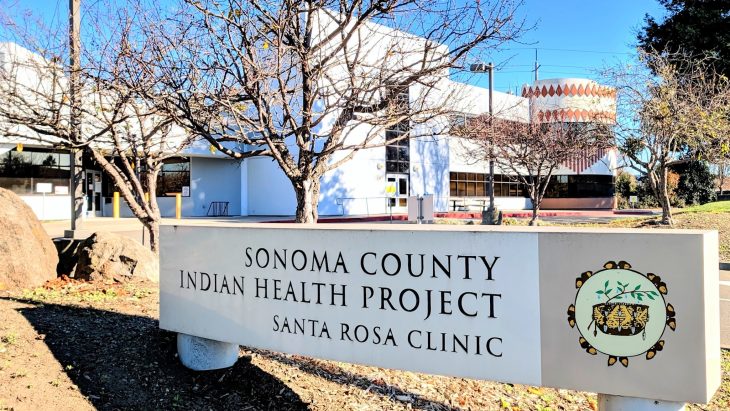
About Sonoma County Indian Health Project Behavioral
The Sonoma County Indian Health Project, located in Santa Rosa, California offers outpatient behavioral health services.
The department serves adults, couples, children, families, youth and groups with substance abuse counseling, mental health care, crisis intervention and community wellness support.
Rooted in Native-centered care, the team blends clinical treatment with cultural traditions to support lasting recovery and community wellbeing.
Culturally Rooted Outpatient Counseling
The center does not provide detox services, but the program provides outpatient substance abuse counseling for individuals and groups, along with mental health assessment, rehabilitation planning and case management for residential treatment placement when needed.
Services are delivered within the broader Sonoma County Indian Health Project clinic, giving clients access to integrated behavioral and medical care which may include detox referrals.
Sessions may include psychotherapy, play therapy for younger clients, evening support groups and wellbriety groups that weave recovery principles with Native traditions.
Clients can also participate in talking circles, AOD recovery groups and seasonal wellness gatherings that address the root causes of addiction while strengthening cultural connection.
Native Youth and Family Wellness
The Native Connections youth program supports American Indian youth up to age 24 in reducing substance use, trauma impact and suicidal behavior.
The department also offers advocacy for survivors of domestic violence and sexual assault along with legal support for families involved in juvenile court matters, tutoring, and cultural activities for youth.
Services also include after-hours crisis intervention by phone when the clinic is closed.
| Levels of Care | Detox Service Setting | Programs | Payment Options | ||||
|---|---|---|---|---|---|---|---|
|
In outpatient therapy, you’ll attend therapy sessions several times each week while living at home. This is ideal if you have a strong support system and a lower risk of relapse. Outpatient treatment offers flexibility to maintain work, school or family obligations. |
Dual diagnosis programs address substance use disorders and co-occurring mental health conditions simultaneously. This integrated approach to care improves the likelihood of long term recovery and stability by addressing the root causes of addiction. |
||||||
|
Outpatient detox gives you access to medically supervised withdrawal services while still allowing you to live at home. You’ll attend a clinic for treatment and monitoring. This flexible option is suitable for those with mild to moderate withdrawal symptoms who have strong support systems. |
|||||||
|
Adult programs address the substance use and life challenges specific to adults. Therapists can deliver sessions in individual, group and family settings. Services often include job support and life skills training in a structured environment. |
Alcohol detox programs offer medical support to help individuals withdraw safely from alcohol. Your care team may use medications to ease your symptoms and provide medical monitoring to address complications. |
LGBTQ friendly programs create an inclusive and affirming space for recovery. Treatment is sensitive to issues like discrimination and stigma. You’ll receive support and therapy that respects and acknowledges your unique experiences. |
Men's programs address substance use while also considering the social pressures, family roles and mental health concerns that are specific to men. You’ll learn healthy coping mechanisms as you build emotional resilience and develop communication skills. |
Military and veteran programs offer specialized support for clients who served in the armed services. Programs focus on reintegration and healing within a structured and supportive environment that acknowledges the unique struggles of military life. |
Opioid detox uses medications to ease severe withdrawal symptoms. It also includes medical supervision to help you manage potential complications. These services allow you to stabilize and begin a recovery plan. |
Women's programs offer a safe and supportive space to focus on gender specific issues such as trauma, family roles and mental health conditions. Therapists tailor the sessions to address women's needs and foster empowerment in a healing and nurturing environment. |
Young adult programs are designed for individuals who are transitioning into adulthood. Topics of discussion typically include identity, independence and peer relationships. Providers may also offer life skills training and career support. |
|
Medicaid
|
Medicare
|
Private Insurance
|
Self Pay
|
Sliding Scale Payment
|
Levels of Care
In outpatient therapy, you’ll attend therapy sessions several times each week while living at home. This is ideal if you have a strong support system and a lower risk of relapse. Outpatient treatment offers flexibility to maintain work, school or family obligations.
Dual diagnosis programs address substance use disorders and co-occurring mental health conditions simultaneously. This integrated approach to care improves the likelihood of long term recovery and stability by addressing the root causes of addiction.
Detox Service Setting
Outpatient detox gives you access to medically supervised withdrawal services while still allowing you to live at home. You’ll attend a clinic for treatment and monitoring. This flexible option is suitable for those with mild to moderate withdrawal symptoms who have strong support systems.
Programs
Adult programs address the substance use and life challenges specific to adults. Therapists can deliver sessions in individual, group and family settings. Services often include job support and life skills training in a structured environment.
Alcohol detox programs offer medical support to help individuals withdraw safely from alcohol. Your care team may use medications to ease your symptoms and provide medical monitoring to address complications.
LGBTQ friendly programs create an inclusive and affirming space for recovery. Treatment is sensitive to issues like discrimination and stigma. You’ll receive support and therapy that respects and acknowledges your unique experiences.
Men's programs address substance use while also considering the social pressures, family roles and mental health concerns that are specific to men. You’ll learn healthy coping mechanisms as you build emotional resilience and develop communication skills.
Military and veteran programs offer specialized support for clients who served in the armed services. Programs focus on reintegration and healing within a structured and supportive environment that acknowledges the unique struggles of military life.
Opioid detox uses medications to ease severe withdrawal symptoms. It also includes medical supervision to help you manage potential complications. These services allow you to stabilize and begin a recovery plan.
Women's programs offer a safe and supportive space to focus on gender specific issues such as trauma, family roles and mental health conditions. Therapists tailor the sessions to address women's needs and foster empowerment in a healing and nurturing environment.
Young adult programs are designed for individuals who are transitioning into adulthood. Topics of discussion typically include identity, independence and peer relationships. Providers may also offer life skills training and career support.
Contact


- Monday 8AM - 5PM
- Tuesday 8AM - 5PM
- Wednesday 8AM - 5PM
- Thursday 8AM - 5PM
- Friday 8AM - 5PM

Patti Croft has content writing experience in several areas, including health and fitness, cybersecurity, and animal care. She is passionate about mental health and addiction treatment and strives to share information that is enjoyable and accessible. She loves reading, consuming too much coffee, and spending time with her friends and pets.
Nearby Detox Centers


Search by California Cities
FAQs
Does Sonoma County Indian Health Project Behavioral accept Medicaid for detox services?
Yes, Sonoma County Indian Health Project Behavioral in Santa Rosa accepts Medicaid as a payment option for behavioral health services. The facility also offers sliding scale payment for individuals who may not have insurance coverage, making care accessible to a broader range of patients.
What levels of detox care does Sonoma County Indian Health Project Behavioral offer?
Sonoma County Indian Health Project Behavioral provides outpatient-level detox and behavioral health services. The facility is designed for adults 18 and older and focuses on community-based treatment rather than residential or inpatient settings.
How can someone start the detox intake process at Sonoma County Indian Health Project Behavioral?
Individuals interested in detox services at Sonoma County Indian Health Project Behavioral in Santa Rosa can reach out directly to the facility to begin the intake process. The medical team will assess the person’s needs and discuss whether outpatient detox services are appropriate for their situation.
What payment options are available for detox at Sonoma County Indian Health Project Behavioral?
Sonoma County Indian Health Project Behavioral accepts Medicaid and offers sliding scale payment options based on income. This ensures that cost is not a barrier to accessing detox and behavioral health services for residents of the Santa Rosa area.