

 800-262-4205
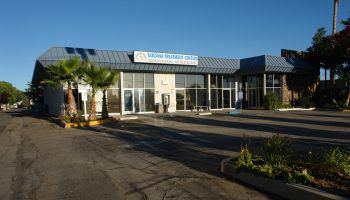
The Encino Recovery & Detox Center

About The Encino Recovery & Detox Center
Medical detox happens at The Encino Recovery and Detox Center, a detox center in Encino, California.
It admits adults, and it doesn’t offer an outpatient program.
Inpatient Detox in Encino
Encino Recovery runs inpatient detox around the clock. A board certified physician in addiction medicine and psychiatry is on staff, and a licensed vocational nurse works on site. Because you’re on site, withdrawal symptoms can be checked through the night.
The detox handles alcohol and opioids, plus prescription drugs, stimulants and polysubstance use (more than one drug).
They use prescription medication and therapy to ease withdrawal and cravings in adults who have opioid use disorder.The space has residential treatment on site for substance use and mental health conditions.
The center holds six to fifteen beds between two residences which are The Bungalow and The Moonshade. Every client has a private room.
If you’re using insurance, they work with most major insurers and can help set payment plans.
The admissions staff provide assistance and care day and night.
| Levels of Care | Detox Service Setting | Programs | Payment Options | |
|---|---|---|---|---|
|
Residential treatment here is intensive inpatient care, day and night, for drug addiction and alcohol use disorders, plus co-occurring mental health conditions. |
In outpatient therapy, you’ll attend therapy sessions several times each week while living at home. This is ideal if you have a strong support system and a lower risk of relapse. Outpatient treatment offers flexibility to maintain work, school or family obligations. |
Partial hospitalization programs provide comprehensive treatment in a structured setting during the day but allow you to return home at night. These programs offer a balance of inpatient and outpatient rehab and provide intensive support without full time residency. |
An intervention is a structured and professionally guided conversation with an individual who is struggling with addiction. During the conversation, family and friends will encourage you to seek treatment. This is often a pivotal step for those resistant to getting help. |
Dual diagnosis programs address substance use disorders and co-occurring mental health conditions simultaneously. This integrated approach to care improves the likelihood of long term recovery and stability by addressing the root causes of addiction. |
|
The inpatient medical detox here runs 24/7, with supervision and care meant to manage withdrawal from both drugs and alcohol. |
Outpatient detox gives you access to medically supervised withdrawal services while still allowing you to live at home. You’ll attend a clinic for treatment and monitoring. This flexible option is suitable for those with mild to moderate withdrawal symptoms who have strong support systems. |
Medication treatment pairs prescription medicine for cravings and withdrawal symptoms with therapy. It’s for adults who have opioid use disorder. |
||
|
Adult programs address the substance use and life challenges specific to adults. Therapists can deliver sessions in individual, group and family settings. Services often include job support and life skills training in a structured environment.
|
Alcohol detox programs offer medical support to help individuals withdraw safely from alcohol. Your care team may use medications to ease your symptoms and provide medical monitoring to address complications.
|
Opioid detox uses medications to ease severe withdrawal symptoms. It also includes medical supervision to help you manage potential complications. These services allow you to stabilize and begin a recovery plan.
|
Cognitive behavioral therapy focuses on changing harmful thought patterns and behaviors associated with addiction. You’ll learn healthier coping mechanisms by identifying and replacing negative thoughts. This improves your emotional resilience and decreases your relapse potential.
|
Drug detox programs support individuals who are withdrawing from addictive substances like cocaine and heroin. Medical support helps you manage symptoms in a controlled and safe environment so you can achieve initial sobriety.
|
|
Self Pay
|
Levels of Care
Residential treatment here is intensive inpatient care, day and night, for drug addiction and alcohol use disorders, plus co-occurring mental health conditions.
In outpatient therapy, you’ll attend therapy sessions several times each week while living at home. This is ideal if you have a strong support system and a lower risk of relapse. Outpatient treatment offers flexibility to maintain work, school or family obligations.
Partial hospitalization programs provide comprehensive treatment in a structured setting during the day but allow you to return home at night. These programs offer a balance of inpatient and outpatient rehab and provide intensive support without full time residency.
An intervention is a structured and professionally guided conversation with an individual who is struggling with addiction. During the conversation, family and friends will encourage you to seek treatment. This is often a pivotal step for those resistant to getting help.
Dual diagnosis programs address substance use disorders and co-occurring mental health conditions simultaneously. This integrated approach to care improves the likelihood of long term recovery and stability by addressing the root causes of addiction.
Detox Service Setting
The inpatient medical detox here runs 24/7, with supervision and care meant to manage withdrawal from both drugs and alcohol.
Outpatient detox gives you access to medically supervised withdrawal services while still allowing you to live at home. You’ll attend a clinic for treatment and monitoring. This flexible option is suitable for those with mild to moderate withdrawal symptoms who have strong support systems.
Medication treatment pairs prescription medicine for cravings and withdrawal symptoms with therapy. It’s for adults who have opioid use disorder.
Programs
Amenities
Accreditations

Accepted Insurance


Contact


- Sunday Open 24 hours
- Monday Open 24 hours
- Tuesday Open 24 hours
- Wednesday Open 24 hours
- Thursday Open 24 hours
- Friday Open 24 hours
- Saturday Open 24 hours

Maygen Brockway, MTC, lives in scenic Southern Utah and has over 10 years of editing and writing experience. She’s created content for the medical, wedding, fashion, and technical industries. She loves poetry and coffee, writing, and being a social butterfly and a mom.
Detox.com regularly reviews this listing for accuracy but changes may occur between updates. For the most up-to-date information, please contact The Encino Recovery & Detox Center.
Nearby Detox Centers

Search by California Cities
FAQs
What levels of care does The Encino Recovery and Detox Center offer?
Inpatient, plus medication support for opioid use disorder. Medical detox runs around the clock, with supervision for withdrawal from drugs and alcohol. Residential treatment is intensive inpatient care, also around the clock, covering drug addiction, alcohol use disorders and co-occurring conditions. Dual diagnosis care pairs psychiatric care with addiction therapy. Read about co-occurring disorders care if that’s the overlap you’re weighing.
Is the detox and residential care staffed overnight?
Yes. Both run around the clock. Inpatient medical detox includes supervision to manage withdrawal from drugs and alcohol, day and night. Residential treatment is intensive inpatient care on that same around the clock schedule, for drug addiction and for alcohol use disorders, plus mental health conditions that occur alongside.
Will most major insurance plans work here?
They work with most major insurance companies. That’s the fact on hand. If a plan name matters to you, the page on using insurance for detox is worth a look while you compare.
Are rooms private, and can you reach admissions overnight?
Yes on both. Rooms are private, and the setting includes spa-like amenities. Admissions staff are available to listen 24 hours a day. That runs all seven days. If you’re calling after hours, someone is there to take the call.
What kind of medical staff is on site?
A physician board certified in addiction medicine and in psychiatry is on the staff. An LVN is on site too. That’s the medical staffing named for this program. If medication or withdrawal care is on your mind, those are the credentials to know about.