

 916-299-0679
Haven House Sober Living - Los Angeles
Los Angeles, CA
90034



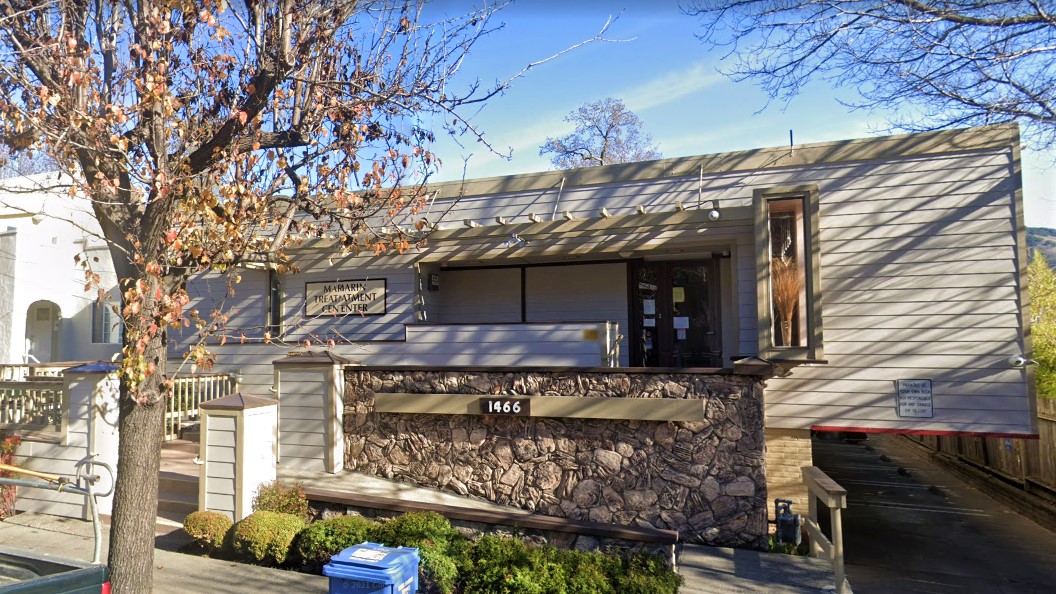
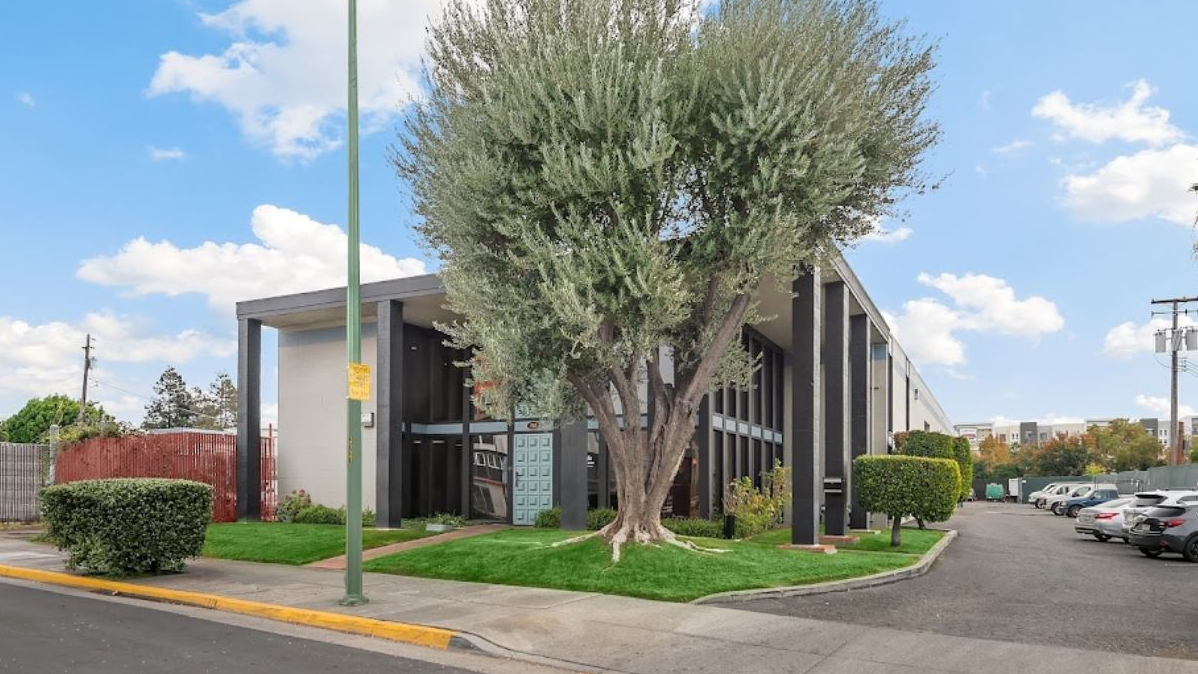
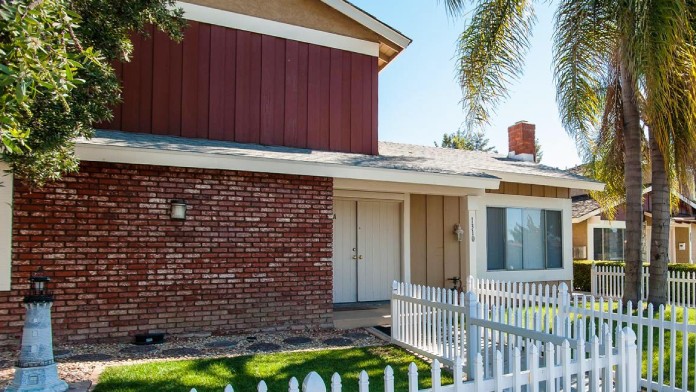
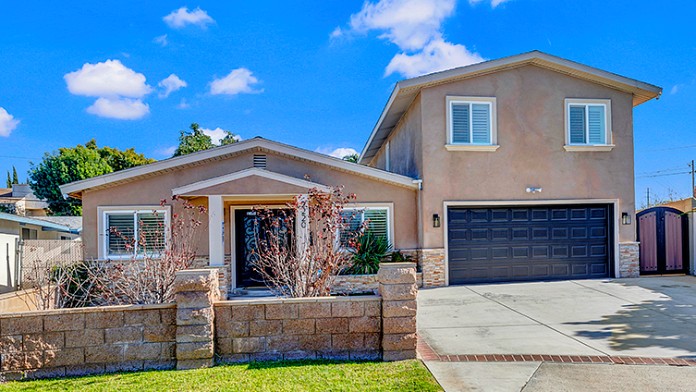

| Name | Address | Detox Service Setting | Levels Of Care | Media |
|---|---|---|---|---|
Artemis Hill Recovery |
2211 Palo Verde Avenue Long Beach, CA 90815 |
Detox Service Setting
Inpatient DetoxOutpatient Detox
|
Levels Of Care
InpatientOutpatient
|

|
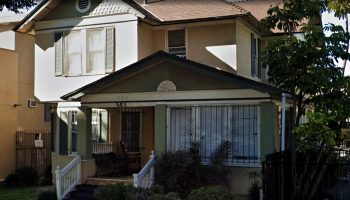
BHS Flossie Lewis Center |
351 East 6th Street Long Beach, CA 90802 |
Detox Service Setting
Inpatient DetoxOutpatient Detox
|
Levels Of Care
InpatientOutpatientAftercare+2
|
|
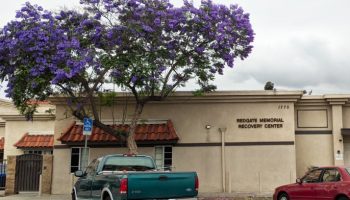
Tom Redgate Memorial Recovery Center |
1775 Chestnut Ave Long Beach, CA 90813 |
Detox Service Setting
Inpatient DetoxOutpatient Detox
|
Levels Of Care
InpatientOutpatient
|
|
Behavioral Health Services Redgate Memorial Recovery Center |
1775 Chestnut Avenue Long Beach, CA 90813 |
Detox Service Setting
Inpatient DetoxMATHospital Detox
|
Levels Of Care
InpatientOutpatient
|
|
Haven House Sober Living Long Beach |
1731 E Appleton St Long Beach, CA 90802 |
Detox Service Setting
Inpatient DetoxOutpatient Detox
|
Levels Of Care
InpatientOutpatient
|
|
The Refuge Recovery Programs |
661 Newport Ave Long Beach, CA 90804 |
Detox Service Setting
Inpatient DetoxOutpatient Detox
|
Levels Of Care
InpatientOutpatient
|
|
West County Medical Clinic |
100 East Market Street Long Beach, CA 90805 |
Detox Service Setting
Outpatient DetoxMAT
|
Levels Of Care
Outpatient
|
|
West County Medical Corporation |
2272 Pacific Avenue Long Beach, CA 90806 |
Detox Service Setting
Outpatient DetoxMAT
|
Levels Of Care
Outpatient
|
|
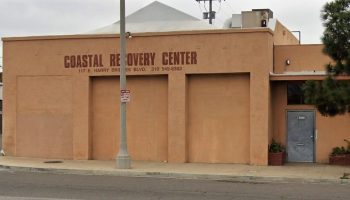
The Coastal Comprehensive Treatment Center |
117 East Harry Bridges Boulevard Wilmington, CA 90744 |
Detox Service Setting
Outpatient Detox
|
Levels Of Care
OutpatientAftercareDual Diagnosis
|
|
Key to Recovery |
5282 Cornell Avenue Westminster, CA 92683 |
Detox Service Setting
Inpatient Detox
|
Levels Of Care
InpatientAftercareDual Diagnosis+1
|
|
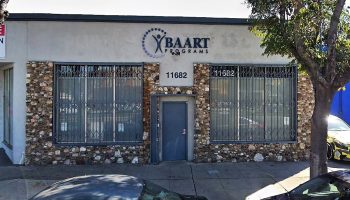
BAART Programs Lynwood |
11682 Atlantic Avenue Lynwood, CA 90262 |
Detox Service Setting
Outpatient Detox
|
Levels Of Care
OutpatientAftercare
|
|
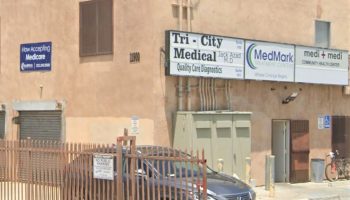
Tri City Institute |
11900 South Avalon Boulevard Los Angeles, CA 90061 |
Detox Service Setting
Outpatient Detox
|
Levels Of Care
Outpatient
|
|
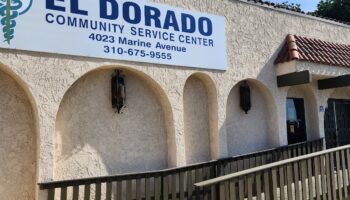
Lawndale Medical & Mental Health Services |
4023 Marine Avenue Lawndale, CA 90260 |
Detox Service Setting
MATOutpatient Detox
|
Levels Of Care
Outpatient
|
|
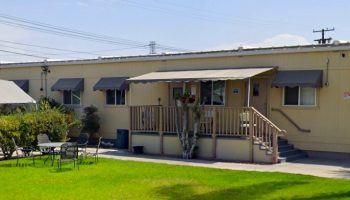
Roque Center |
10936 Dale Ave Stanton, CA 90680 |
Detox Service Setting
Inpatient DetoxOutpatient Detox
|
Levels Of Care
InpatientOutpatient
|
|
BHS Health Center Network (Community Medical Clinic) |
2501 West El Segundo Boulevard Hawthorne, CA 90250 |
Detox Service Setting
Inpatient DetoxOutpatient Detox
|
Levels Of Care
InpatientOutpatientAftercare+2
|
|
Long Beach is one of only three cities in California that runs its own municipal health department rather than relying solely on the county, and that structure shapes how detox and substance use disorder treatment are regulated locally. The City of Long Beach Department of Health and Human Services runs its own opioid response and harm reduction programs, while the Los Angeles County Department of Public Health’s Substance Abuse Prevention and Control (SAPC) bureau administers the Drug Medi-Cal Organized Delivery System (DMC-ODS) that funds withdrawal management, residential, and outpatient care for Medi-Cal members citywide.
This dual structure means Long Beach residents have both a city-level harm reduction program and access to the full LA County DMC-ODS treatment network, coordinated through detox and outpatient providers across the city and the wider county. SAPC’s Substance Abuse Service Helpline offers 24/7 screening and referral for anyone unsure where to start.
The city’s own data shows why this matters. Long Beach’s first Opioid Overdose Report, published in April 2025, found opioid-related deaths climbed 326 percent between 2018 and 2022, driven largely by fentanyl, though preliminary 2024 data shows a 39 percent drop in fentanyl-related deaths compared to 2023. The Health Department has used California Opioid Settlement funds to expand naloxone distribution, including a mail-order option launched in 2026, and to fund community workshops on overdose recognition throughout the city.
Detox costs in Long Beach depend on level of care, and most residents combine insurance, Medi-Cal, or county-funded treatment rather than paying cash in full. Reviewing how insurance covers detox before intake helps you understand what your plan actually covers.
Cost varies by setting: 24-hour medical detox costs substantially more than outpatient counseling or medication management. The figures below are full cash-pay (self-pay) totals for a complete treatment episode, before insurance, Medi-Cal, Medicare, or other assistance; most people with coverage pay far less out of pocket.
Medicare covers medically necessary inpatient and outpatient detox in Long Beach, plus Opioid Treatment Program services like methadone and buprenorphine under Part B, with coverage details varying by setting and plan.
Medi-Cal, coordinated through LA County SAPC’s DMC-ODS, covers withdrawal management, residential treatment, outpatient care, and MAT for eligible Long Beach residents. An ASAM-level assessment through the county’s Community Assessment Service Center determines placement.
No one should skip detox in Long Beach over cost. Options beyond private insurance include:

Federally Qualified Health Centers in Long Beach, including The Children’s Clinic’s adult behavioral health programs, offer income-based fees for assessment and referral.
The Salvation Army Long Beach Corps and local faith-based recovery homes provide low-barrier support for residents without coverage.
LA County’s DMC-ODS covers the full continuum for Medi-Cal-eligible residents, and the city’s Health Department can connect uninsured residents to enrollment assistance.
The VA Long Beach Healthcare System, headquartered in the city, offers dedicated substance use disorder and dual-diagnosis treatment for veterans.
The following bodies oversee detox and substance use disorder treatment serving Long Beach:
One of only three city-run health departments in California, it coordinates the city’s own opioid response, harm reduction program, and overdose surveillance independent of the county. See longbeach.gov/health.
Administers the county’s Drug Medi-Cal Organized Delivery System, licenses and monitors contracted providers, and operates the 24/7 Substance Abuse Service Helpline serving Long Beach residents. See publichealth.lacounty.gov/sapc.
The state licensing and certification authority for every residential and outpatient substance use disorder program operating in Long Beach. See dhcs.ca.gov.
Regulates state-licensed commercial health plans and enforces mental health and substance use parity for privately insured Long Beach residents. See dmhc.ca.gov.
Medication-assisted treatment in Long Beach is delivered through LA County SAPC’s contracted Narcotic Treatment Programs and DMC-ODS network, regulated federally under 42 CFR Part 8 and licensed by DHCS. The Long Beach Health Department’s Harm Reduction Program helps connect people to MAT alongside its naloxone and testing services.
Widely available through outpatient clinics and several federally qualified health centers in Long Beach, buprenorphine lets many residents start treatment without a residential stay. Telehealth prescribing has expanded access, and Medi-Cal covers it for enrolled members.
Restricted to certified Narcotic Treatment Programs, methadone requires daily on-site dosing at licensed clinics located throughout the city and greater LA County. Medi-Cal coverage through DMC-ODS keeps it financially accessible for enrolled residents.
Non-addictive and requiring no special licensing, naltrexone is prescribed in standard outpatient settings across Long Beach. The injectable form treats both opioid and alcohol use disorder and is covered under Medi-Cal and most commercial plans.
Long Beach’s own fentanyl data drove the city to build one of the more robust local harm reduction infrastructures in the county, including a mail-order naloxone option most cities do not offer. These services connect people to detox and MAT when they are ready.
Funded by California’s opioid settlement dollars, this city program lets any Long Beach resident request naloxone and test strips online, with discreet mail delivery typically arriving within three business days.
Operating out of a Long Beach site inside the Planned Parenthood building on Pacific Avenue, Bienestar serves BIPOC and unhoused residents with weekly syringe services and overdose prevention training.
CHPLA runs a weekly naloxone access point at the Multi-Service Center on West 12th Street, part of a countywide network that distributed over 10,000 naloxone kits last year alone.
RecoverLA is the county’s mobile-friendly referral tool connecting Long Beach residents to nearby treatment, harm reduction, and recovery support services in real time.
Long Beach’s own five-year opioid analysis shows both how sharply the crisis grew and where recent progress is emerging.
Preliminary data comparing 2023 and 2024 shows a 39 percent decrease in fentanyl-related overdose deaths in Long Beach. Source: City of Long Beach.
Opioid-related deaths in Long Beach rose from 23 in 2018 to 98 in 2022, a 326 percent increase over the five-year study period. Source: City of Long Beach.
Fentanyl was involved in 263 of the 332 total opioid overdose deaths recorded in Long Beach between 2018 and 2022, a 1,640 percent increase in fentanyl-related fatalities. Source: City of Long Beach.
Long Beach runs its own Health Department for harm reduction, overdose surveillance, and public health programming, but detox and residential treatment funding still flows through LA County’s DMC-ODS network, so most licensed facilities serve both systems together.
Call the LA County Substance Abuse Service Helpline for 24/7 screening, or contact the Long Beach Health Department directly for help connecting to Medi-Cal enrollment and treatment referral.
Yes. The Long Beach Health Department offers a mail-order naloxone and fentanyl test kit program with discreet delivery, typically arriving within three business days of an online request.
Yes. Medi-Cal, coordinated through LA County SAPC’s DMC-ODS, covers medical detox, residential treatment, outpatient care, and MAT for eligible members after an ASAM-level assessment.
Consider learning to recognize an overdose and carrying naloxone yourself, and connect your loved one to a same-day detox assessment through the county helpline rather than waiting for a crisis.


Gayle Morris, BSN, MSN, received her bachelor’s degree from the University of Illinois Chicago Medical Center and her first master’s degree from Indiana University Purdue University Indianapolis. She practiced nursing for more than two decades with a focus on pediatric physical rehabilitation, helping children and their parents after a head injury or spinal cord injury. She has been a freelance writer in health, wellness, and mental health for more than 15 years. She loves exercise, her dogs and guinea pigs, and gardening.