

 916-299-0679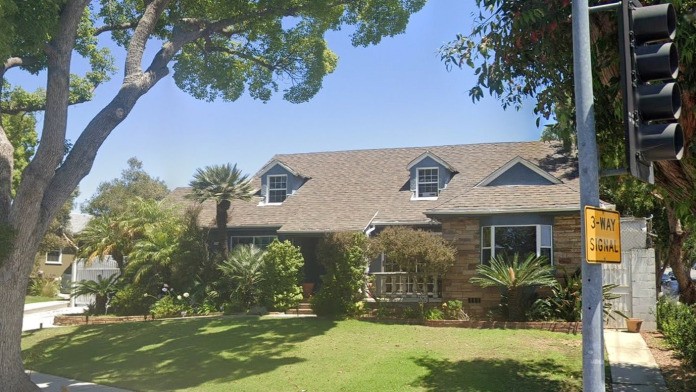
Haven House Sober Living - Los Angeles
Los Angeles, CA
90034








| Name | Address | Detox Service Setting | Levels Of Care | Media |
|---|---|---|---|---|
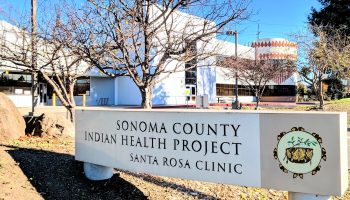
Sonoma County Indian Health Project Behavioral |
144 Stony Point Road Santa Rosa, CA 95401 |
Detox Service Setting
Outpatient DetoxMAT
|
Levels Of Care
OutpatientDual Diagnosis
|
|
Aurora Santa Rosa Hospital |
1287 Fulton Road Santa Rosa, CA 95401 |
Detox Service Setting
Inpatient DetoxOutpatient DetoxMAT
|
Levels Of Care
InpatientOutpatientDual Diagnosis+3
|
|
Pura Vida Recovery Services |
130 Stony Point Rd Santa Rosa, CA 95401 |
Detox Service Setting
Inpatient DetoxOutpatient Detox
|
Levels Of Care
InpatientOutpatient
|
|
SRTP |
625 Steele Lane Santa Rosa, CA 95403 |
Detox Service Setting
MATOutpatient Detox
|
Levels Of Care
Outpatient
|
|
Azure Acres Recovery Center |
2264 Green Hill Road Sebastopol, CA 95472 |
Detox Service Setting
Inpatient DetoxOutpatient DetoxMAT
|
Levels Of Care
InpatientPHPOutpatient+3
|

|
Olympia House Rehab |
11207 Valley Ford Road Petaluma, CA 94952 |
Detox Service Setting
Inpatient DetoxOutpatient DetoxMAT
|
Levels Of Care
InpatientOutpatientAftercare+4
|

|
Muir Wood Adolescent and Family Services Skillman Lane |
1733 Skillman Lane Petaluma, CA 94952 |
Detox Service Setting
Inpatient DetoxOutpatient Detox
|
Levels Of Care
InpatientOutpatientAftercare+2
|

|
Align Recovery Centers – Sonoma |
17250 Vailetti Dr Fremont, CA 95476 |
Detox Service Setting
|
Levels Of Care
|

|
Reflections Executive Rehab Facility |
1191 Simmons Lane Novato, CA 94945 |
Detox Service Setting
Inpatient DetoxOutpatient Detox
|
Levels Of Care
InpatientOutpatientAftercare+1
|

|
Serenity Knolls Treatment Center |
145 Tamal Road Forest Knolls, CA 94933 |
Detox Service Setting
Inpatient DetoxOutpatient DetoxMAT
|
Levels Of Care
InpatientPHPOutpatient+1
|

|
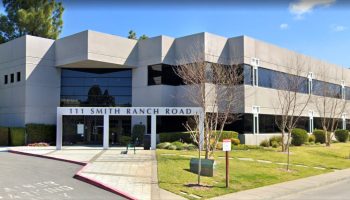
San Rafael Psychiatry and Addiction Medicine Services |
111 Smith Ranch Road San Rafael, CA 94903 |
Detox Service Setting
Outpatient Detox
|
Levels Of Care
OutpatientDual Diagnosis
|
|
Heartwood House Detox San Rafael |
8 Circle Rd San Rafael, CA 94903 |
Detox Service Setting
Inpatient DetoxOutpatient Detox
|
Levels Of Care
InpatientOutpatient
|

|
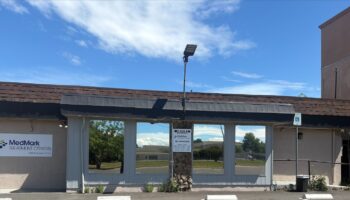
MedMark Treatment Centers |
1628 Broadway Vallejo, CA 94590 |
Detox Service Setting
Outpatient DetoxMAT
|
Levels Of Care
OutpatientAftercareDual Diagnosis
|
|
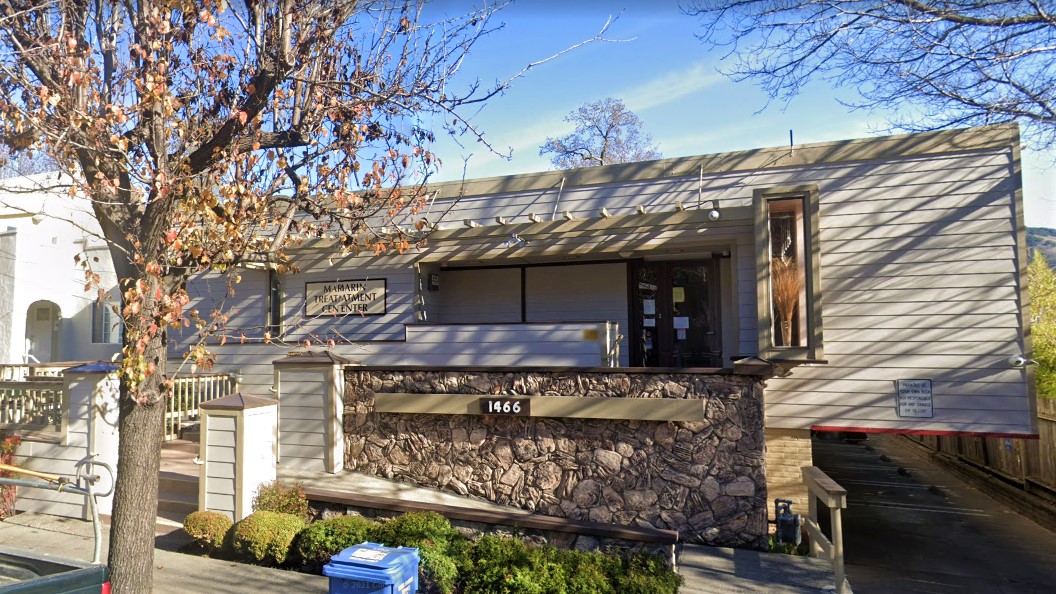
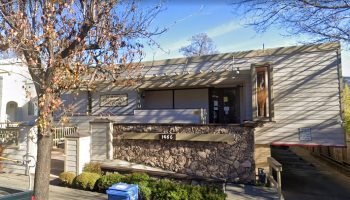
Marin Treatment Center |
1466 Lincoln Avenue San Rafael, CA 94901 |
Detox Service Setting
Outpatient Detox
|
Levels Of Care
OutpatientAftercareDual Diagnosis
|
|
Southern Solano Alcohol Council |
419 Pennsylvania Street Vallejo, CA 94590 |
Detox Service Setting
Inpatient DetoxOutpatient Detox
|
Levels Of Care
InpatientOutpatientAftercare+1
|
|
Santa Rosa, the largest city in Sonoma County and the North Bay, anchors a treatment system built on California’s statewide framework. California Department of Health Care Services (DHCS) licenses and certifies residential detox and substance use programs.
The county access is administered through Sonoma County Behavioral Health. Knowing how to choose a detox center with the right DHCS license is the first practical step in a region where quality varies.
California expanded Medicaid, so most low-income Santa Rosa residents qualify for Medi-Cal, and Sonoma County participates in the Drug Medi-Cal Organized Delivery System, which covers the full continuum from withdrawal management through outpatient care.
That coverage, plus opioid settlement funding the county has directed toward treatment and harm reduction, shapes how local programs operate. Fentanyl drives the local overdose crisis. It is present in roughly nine of ten opioid overdose deaths in Sonoma County, and the county has one of the higher overdose rates in the Bay Area.
In response, Santa Rosa nonprofits such as Face to Face pair aggressive naloxone distribution and drug checking with connections to treatment, and California law supports legal syringe services and fentanyl test strips.
Cost is a common first concern for people considering detox in Santa Rosa, but the price of care varies widely by setting and length of stay, and California’s broad Medi-Cal coverage means many people pay little or nothing. A clear look at how much detox costs helps you plan before you commit.
The cost of detox in Santa Rosa depends on the level of care, the severity of withdrawal, and whether treatment happens in a hospital, a residential facility, or an outpatient clinic.
The figures below are general benchmarks rather than Santa Rosa-specific quotes, and they represent full cash-pay rates before insurance, Medi-Cal, Medicare, or other aid. Most people with coverage pay significantly less, and Medi-Cal may cover the full cost.
Medicare covers medically necessary inpatient and outpatient detox for Santa Rosa beneficiaries, along with opioid treatment program services such as methadone, buprenorphine, and naltrexone under Part B. Your copays, coinsurance, and deductibles depend on the treatment setting, the services you receive, and whether you carry a Medicare Advantage or supplement plan.
California expanded Medicaid, so most low-income adults qualify for Medi-Cal. Through the Drug Medi-Cal Organized Delivery System, Sonoma County covers the full detox continuum, including withdrawal management, residential and inpatient treatment, outpatient care, and medication-assisted treatment, aligned to ASAM levels of care.
Cost should not keep anyone in Santa Rosa from starting detox. Several options exist for people without private insurance or the means to self-pay:

Sonoma County Behavioral Health is the entry point for publicly funded treatment. Through Drug Medi-Cal, it connects uninsured and low-income residents to withdrawal management and treatment, and its access line can screen callers and identify openings.
Community health centers across Santa Rosa, including West County Health Centers and Santa Rosa Community Health, set fees on a sliding scale tied to income and household size, lowering out-of-pocket costs for uninsured residents.
Sonoma County has directed millions in opioid settlement funds toward treatment, medication access, and harm reduction, including mobile programs that reach uninsured residents across the county at little or no cost.
Veterans in the Santa Rosa area can access detox and substance use care through the VA Northern California Health Care System, which offers withdrawal management, MAT, and mental health services to eligible veterans at little or no cost.
Detox and addiction treatment in Santa Rosa are overseen by a mix of state and county authorities. These are the key bodies that license, fund, and coordinate withdrawal management and SUD services:
DHCS licenses and certifies residential substance use treatment and detox programs statewide through its Licensing and Certification Division, and it administers Drug Medi-Cal. It sets the clinical and safety standards that Santa Rosa detox providers must meet.
Part of the county Department of Health Services, Sonoma County Behavioral Health manages the Drug Medi-Cal Organized Delivery System locally, funding and coordinating publicly supported detox and treatment and serving as the access point for uninsured residents.
DMHC regulates most commercial health plans in California and enforces mental health and substance use parity, meaning plans must cover detox and addiction treatment comparably to medical care. It handles complaints and independent medical reviews for denied care.
CDPH licenses the hospitals and general acute care facilities where medically managed detox is provided and oversees related health and safety standards, complementing DHCS oversight of freestanding SUD programs in the Santa Rosa area.
Medication-assisted treatment in Santa Rosa is regulated at both the federal and state levels. Programs that dispense methadone must hold SAMHSA Opioid Treatment Program certification under 42 CFR Part 8 and DEA registration, and in California DHCS licenses narcotic treatment programs. You can learn how medication-assisted treatment fits into a broader detox plan.
Buprenorphine, often prescribed as Suboxone, is available across Santa Rosa from office-based providers, community health centers, and telehealth, without the daily-clinic requirement methadone carries. Local mobile programs help extend access across Sonoma County, and Medi-Cal covers it.
Methadone is dispensed only through DHCS-licensed, federally certified opioid treatment programs and is not available at retail pharmacies. It requires daily on-site dosing early in treatment, so access depends on living near one of Sonoma County’s narcotic treatment programs. Medi-Cal covers it.
Naltrexone, including the long-acting injectable Vivitrol, needs no special licensing and is prescribed in routine outpatient settings across Santa Rosa. Because it is not a controlled substance, it is used for both opioid and alcohol use disorder, is covered by Medi-Cal, and is typically started after detox is complete.
Sonoma County has an active harm reduction network, and California law supports it: syringe services and fentanyl test strips are legal statewide. Because fentanyl drives the overwhelming majority of local opioid overdose deaths, Santa Rosa programs distribute free naloxone, test strips, and drug-checking resources alongside connections to treatment.
A Santa Rosa nonprofit and longtime harm reduction leader, Face to Face runs a mobile unit and fixed site providing naloxone, syringe services, and test strips. In 2024 it accounted for a large share of Sonoma County’s documented overdose reversals.
DAAC operates the Wellness on Wheels program, bringing naloxone, syringe exchange, medication for opioid use disorder, and treatment access to underserved parts of Sonoma County, with a focus on adolescents and communities of color.
Through its Lower Russian River initiative, West County Health Centers provides naloxone, fentanyl test strips, education, and harm reduction outreach in western Sonoma County, extending services beyond the Santa Rosa core.
The county Department of Health Services supplies free naloxone to community organizations and residents and tracks overdose reversals to direct resources where they are needed most across Sonoma County.
Fentanyl dominates Sonoma County’s overdose picture, and while deaths have eased from their pandemic peak, they remain above pre-pandemic levels. The figures below come from county public health reporting.
In Sonoma County, opioids are involved in about three quarters of overdose deaths, and roughly 90% of those opioid deaths involve fentanyl, making it the driving force behind most fatal overdoses. Sonoma County Community Health Dashboard
An average of about 12 people die each month from drug overdoses in Sonoma County, one of the higher rates among Bay Area counties, at roughly 22 deaths per 100,000 residents in recent years. Sonoma County Department of Health Services
Fentanyl deaths in Sonoma County climbed from fewer than five in 2016 to about 110 in 2021 before easing to 89 in 2023, while opioid overdose deaths among people aged 15 to 24 fell 51% from 2018 to 2023. Sonoma County Community Health Dashboard
Contact Sonoma County Behavioral Health, which manages publicly funded treatment through Drug Medi-Cal and can screen you and identify openings. You can also check Medi-Cal eligibility, since most low-income California residents qualify, or call 988 for the Suicide and Crisis Lifeline if you are in crisis.
Yes. Face to Face, the Drug Abuse Alternatives Center, and the county distribute free naloxone across Sonoma County, and California maintains a statewide standing order. Naloxone is also sold over the counter at pharmacies, and Medi-Cal and most insurance plans cover it.
Yes. California law permits fentanyl test strips and syringe services programs statewide. Santa Rosa programs such as Face to Face distribute test strips free so people can check their supply for fentanyl and other adulterants before use.
Yes. Sonoma County participates in the Drug Medi-Cal Organized Delivery System, which covers the full detox continuum, including withdrawal management, residential and outpatient treatment, and medication-assisted treatment, aligned to ASAM levels of care. Most low-income residents qualify for Medi-Cal.
No. Detox safely manages withdrawal and stabilizes the body, but it is only the first step. Lasting recovery usually depends on the care that follows detox, such as residential or outpatient treatment, medication-assisted treatment, and ongoing support once withdrawal is complete.


Gayle Morris, BSN, MSN, received her bachelor’s degree from the University of Illinois Chicago Medical Center and her first master’s degree from Indiana University Purdue University Indianapolis. She practiced nursing for more than two decades with a focus on pediatric physical rehabilitation, helping children and their parents after a head injury or spinal cord injury. She has been a freelance writer in health, wellness, and mental health for more than 15 years. She loves exercise, her dogs and guinea pigs, and gardening.