916-299-0679

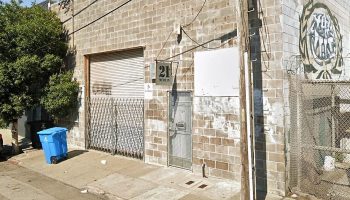


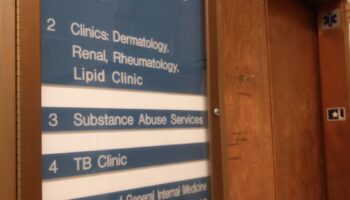
San Francisco’s detoxification system sits at the intersection of progressive public health policy and an urgent overdose crisis. Regulated at the state level by the California Department of Health Care Services (DHCS) and locally overseen by the San Francisco Department of Public Health (SFDPH), the city’s approach is continually adapting to the realities of a highly toxic, fentanyl-driven drug supply.
Navigating care here requires understanding the local landscape. The Tenderloin and South of Market (SoMa) neighborhoods remain the geographic center of the crisis but they are also home to the highest density of low-barrier interventions.
Initiatives like the Street Overdose Response Team (SORT) and recent nighttime telehealth pilots connect individuals directly with buprenorphine and temporary shelter beds, providing a critical lifeline for the city’s unhoused population. For those seeking inpatient stabilization, the Behavioral Health Access Center on Howard Street serves as a centralized gateway for Medi-Cal and uninsured residents.
A vital point for anyone seeking treatment in San Francisco is the aggressive integration of Medication-Assisted Treatment (MAT) across all levels of care. Recent local initiatives, supported by California’s behavioral health funding overhauls and opioid settlement funds, have expanded “street medicine” models that allow patients to begin withdrawal management without needing formal admission to a traditional facility.
This flexibility is essential for safely managing complex withdrawal symptoms from synthetic opioids and stimulants, bridging the crucial gap between immediate survival and long-term recovery.