

 916-299-0679
Haven House Sober Living - Los Angeles
Los Angeles, CA
90034





| Name | Address | Detox Service Setting | Levels Of Care | Media |
|---|---|---|---|---|
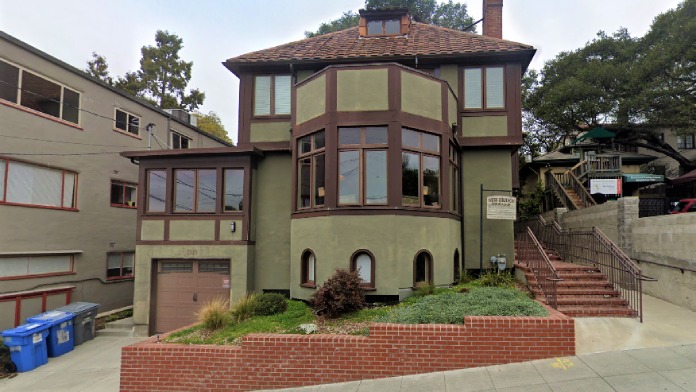
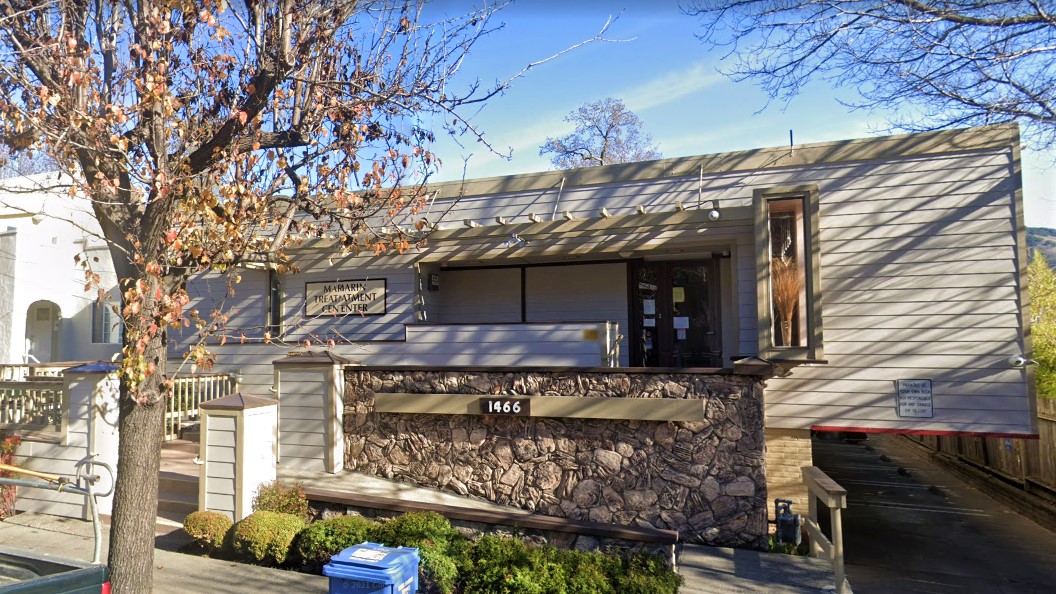
New Bridge Foundation |
2323 Hearst Avenue Berkeley, CA 94709 |
Detox Service Setting
Inpatient DetoxOutpatient Detox
|
Levels Of Care
InpatientOutpatientAftercare+3
|
|
New Bridge Foundation Inc Bridge 2 |
2323 Hearst Avenue Berkeley, CA 94709 |
Detox Service Setting
Inpatient DetoxMAT
|
Levels Of Care
InpatientIntensive OutpatientOutpatient+2
|

|
Berkeley Addiction Treatment Services |
2975 Sacramento Street Berkeley, CA 94703 |
Detox Service Setting
|
Levels Of Care
|
|
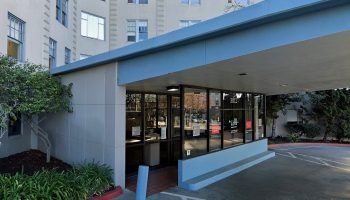
MPI Treatment Services |
3012 Summit Street Oakland, CA 94609 |
Detox Service Setting
Inpatient DetoxOutpatient Detox
|
Levels Of Care
InpatientOutpatientDual Diagnosis
|
|
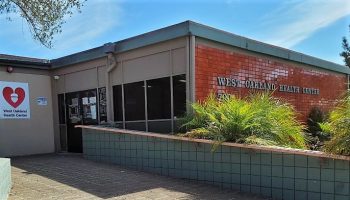
West Oakland Health Council |
700 Adeline St Oakland, CA 94607 |
Detox Service Setting
Inpatient DetoxOutpatient Detox
|
Levels Of Care
InpatientOutpatient
|
|
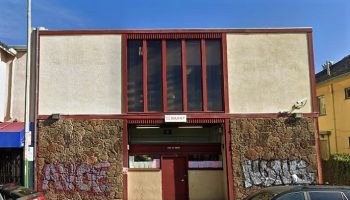
BAART Programs Oakland |
1124 International Boulevard Oakland, CA 94606 |
Detox Service Setting
Inpatient DetoxOutpatient Detox
|
Levels Of Care
InpatientOutpatient
|
|
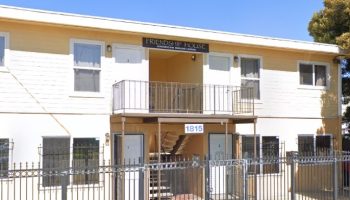
Friendship House Women’s Lodge |
1815 39th Ave Oakland, CA 94601 |
Detox Service Setting
Inpatient DetoxOutpatient Detox
|
Levels Of Care
InpatientOutpatient
|
|
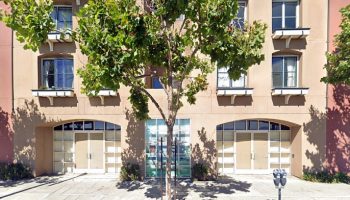
Delancey Street Foundation |
600 The Embarcadero San Francisco, CA 94107 |
Detox Service Setting
Inpatient DetoxOutpatient Detox
|
Levels Of Care
InpatientOutpatient
|
|
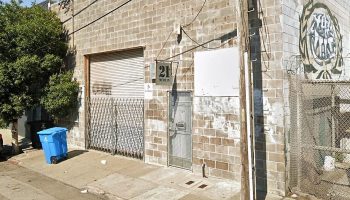
Harm Reduction Therapy Center |
21 Merlin Street San Francisco, CA 94107 |
Detox Service Setting
Outpatient Detox
|
Levels Of Care
OutpatientDual Diagnosis
|
|
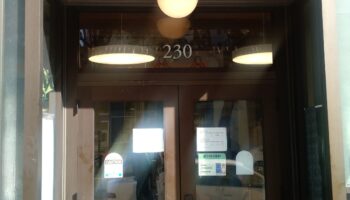
Tom Waddell Urban Health Clinic |
230 Golden Gate Avenue San Francisco, CA 94102 |
Detox Service Setting
Outpatient DetoxMAT
|
Levels Of Care
Outpatient
|
|
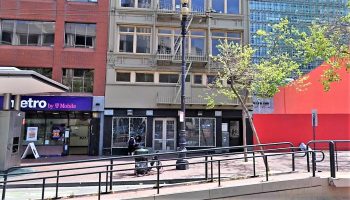
BAART Programs Market |
1111 Market Street San Francisco, CA 94103 |
Detox Service Setting
Outpatient Detox
|
Levels Of Care
OutpatientAftercareDual Diagnosis
|
|
Marina Harbor Detox |
289 Marina Blvd San Francisco, CA 94123 |
Detox Service Setting
Inpatient DetoxOutpatient Detox
|
Levels Of Care
InpatientOutpatient
|

|
Ria Health |
1390 Market St San Francisco, CA 94102 |
Detox Service Setting
Inpatient DetoxOutpatient Detox
|
Levels Of Care
InpatientOutpatient
|

|
SFGH.OTOP |
1001 Potrero Avenue San Francisco, CA 94110 |
Detox Service Setting
Outpatient DetoxMAT
|
Levels Of Care
Outpatient
|
|
Alta Mira Recovery Programs |
125 Bulkley Avenue Sausalito, CA 94965 |
Detox Service Setting
Inpatient DetoxOutpatient Detox
|
Levels Of Care
InpatientOutpatientAftercare+1
|

|
Berkeley sits within Alameda County, which has faced one of the most severe opioid crises in the Bay Area. The county’s age-adjusted opioid overdose death rate of 16.2 per 100,000 residents in 2024 remains well above the California rate of 14.5. According to the Healthy Alameda County data dashboard, this places Alameda in the second-worst quartile of counties statewide, and that context shapes how local detox care is structured and funded.
To help address the problem, Proposition 1, passed by California voters in March 2024, allocated $6.38 billion for treatment beds and supportive housing statewide, with Alameda County receiving funding through the Behavioral Health Continuum Infrastructure Program (BHCIP) to expand local capacity.
As you choose a detox center in Berkeley, it helps to understand how facilities are regulated. Programs here are licensed at the state level by the California Department of Health Care Services (DHCS), which has sole authority to license residential nonmedical alcoholism and drug abuse recovery or treatment facilities under California Health and Safety Code Chapter 7.5. Outpatient programs offering detoxification or medication for addiction treatment (MAT) must also obtain DHCS certification. Alameda County participates in the Drug Medi-Cal Organized Delivery System (DMC-ODS), so eligible Medi-Cal members can access a full continuum of publicly funded detox and addiction treatment services coordinated through the county.
Berkeley’s care network includes New Bridge Foundation, a residential provider in the Berkeley Hills offering medically supervised detox alongside short-term and long-term residential programs. Berkeley Addiction Treatment Services (BATS) provides outpatient detox and MAT alongside harm reduction services and case management for underserved populations.
Detox costs in Berkeley reflect the Bay Area’s high cost of care, so understanding how much detox costs and your payment options before seeking treatment helps reduce barriers at an already difficult moment. Options range from private insurance and Medi-Cal to county-funded programs and sliding-scale providers.
Berkeley detox costs vary based on level of care, substance type, medical complexity, and facility setting. Hospital-based medical detox carries the highest price tag, while outpatient MAT programs are the most affordable option for those managing withdrawal in a community setting. The figures below reflect California averages, as Berkeley-specific published figures are not available.
Medicare covers inpatient and outpatient detox services in Berkeley, including opioid treatment program (OTP) services such as methadone, buprenorphine, and naltrexone under Part B. Copays and deductibles depend on the treatment setting, the services received, and your individual plan type.
California’s Medicaid program is called Medi-Cal. Alameda County is a DMC-ODS participant, so Medi-Cal members can access a full continuum of SUD services including withdrawal management, residential treatment, and outpatient care. As of January 1, 2024, Medi-Cal eligibility is determined by income only, with no asset or resource test. Most recipients pay no premium, copay, or out-of-pocket costs for covered addiction treatment services.
Do not let cost prevent you from seeking detox care in Berkeley. Several local alternatives exist for those without private insurance.

New Bridge Foundation and Berkeley Addiction Treatment Services (BATS) both use sliding scale fee structures based on income, allowing uninsured or underinsured clients to access care at reduced cost.
Alameda County Behavioral Health coordinates publicly funded SUD treatment for county residents. Call the Alameda County Substance Use Access and Referral Helpline at 1-844-682-7215, Monday through Friday, 8 a.m. to 7 p.m., for a free intake screening and placement referral at no cost.
Berkeley Addiction Treatment Services (BATS) operates as a nonprofit and provides services on a charitable basis, including case management and employment support, to assist clients who lack coverage.
Veterans residing in Berkeley can access SUD treatment through the VA Northern California Health Care System, which operates multiple East Bay sites and provides covered detox, MAT, and co-occurring disorder services for eligible veterans.
A mix of regulatory and accreditation bodies oversees detox and withdrawal management services in Berkeley and Alameda County.
DHCS is the primary state licensing authority for residential nonmedical alcohol and drug abuse recovery or treatment facilities in California. Licensure is required for any facility providing detoxification, individual or group sessions, or recovery and treatment planning. DHCS also certifies outpatient SUD programs offering treatment, recovery, detox, or MAT services, and its Substance Use Disorder Compliance Division oversees ongoing licensure and regulation statewide. Learn more at dhcs.ca.gov.
As the local authority administering Alameda County’s DMC-ODS plan, ACBH coordinates the county’s publicly funded SUD treatment network, contracts with certified providers, and ensures Medi-Cal members receive appropriate level-of-care placements consistent with ASAM criteria. ACBH also conducts ongoing quality oversight of its contracted providers, including Berkeley-based facilities. Learn more at acbhcs.org.
These state regulations govern licensing and operational standards for all residential alcohol and drug abuse recovery or treatment facilities in California. They set requirements for staffing ratios, safety protocols, clinical standards, and recordkeeping, and serve as the compliance framework within which Berkeley detox providers operate. Learn more at dhcs.ca.gov.
Medication-assisted treatment in California is regulated at both the federal and state levels. Federally, MAT involving opioids must comply with SAMHSA’s Opioid Treatment Program rules under 42 CFR Part 8. At the state level, DHCS oversees provider certification for medication-assisted detox programs and aligns California standards with federal requirements. Counseling and behavioral therapy are expected components of state-certified MAT programs.
Widely accessible in Berkeley through licensed outpatient providers and telehealth prescribers. Following the elimination of the federal X-waiver requirement in 2023, any DEA-licensed prescriber can initiate buprenorphine, making it an especially accessible entry point for opioid use disorder treatment in Berkeley’s primary care and SUD clinic settings.
Restricted to federally certified Opioid Treatment Programs; it cannot be dispensed through a regular pharmacy for opioid use disorder. Alameda County OTPs are eligible for Medi-Cal reimbursement, reducing financial barriers for low-income patients.
Available without special licensing, making it accessible through both SUD clinics and general medical providers in Berkeley. Injectable naltrexone (Vivitrol) is commonly used for both opioid and alcohol use disorder and is covered under Medi-Cal.
Berkeley has a well-established harm reduction infrastructure built on decades of community organizing around syringe access and overdose prevention. This is especially important because fentanyl is now present in a significant portion of the local drug supply, including in stimulants and counterfeit pills. These services play a direct role in keeping people alive and connected to care.
Founded in the early 1990s, Berkeley NEED is a volunteer-run collective operating three weekly sites in Berkeley. Naloxone is available at every site, and a partnership with HEPPAC launched in-person FTIR drug checking at the Thursday site in 2024, allowing clients to get same-day results on the content of their drug supply at no cost.
HEPPAC has provided harm reduction services across Alameda County since 1992. Its East Bay Drug Checking Program, launched in 2024, provides community-based drug checking through authorized syringe service programs in the region, including at Berkeley NEED’s Thursday site, giving people who use drugs real-time information about adulterants in their supply.
The Berkeley Free Clinic operates as a volunteer collective and provides free services with no eligibility screening and no questions asked. Its street medicine team brings naloxone training and harm reduction supplies to people who are homeless or otherwise disconnected from traditional healthcare, including through in-person drop-in sessions.
UC Berkeley’s PartySafe program distributes free naloxone and fentanyl test strips at multiple campus locations on a regular basis. It operates through peer advocates trained in overdose response, providing a campus-based access point for students who may not otherwise seek out community harm reduction services.
Alameda County has consistently recorded some of the worst opioid overdose death rates in the Bay Area, and local data suggests the crisis has not followed the national trend toward improvement.
Alameda County’s age-adjusted opioid overdose death rate was 16.2 per 100,000 residents in 2024, above the California statewide rate of 14.5, placing it in the second-worst quartile of all California counties. Source: Healthy Alameda County Data Dashboard.
Alameda County recorded 309 opioid-related overdose deaths in 2023, an annual age-adjusted mortality rate of 21.82 per 100,000 residents, a 65% increase from 2022. Source: Alameda County Board of Supervisors.
African American residents in Alameda County experience fatal overdose rates three times the county average, and people experiencing homelessness account for roughly 30% of all overdose deaths in the county. Source: Pleasanton Weekly.
Call the Alameda County Substance Use Access and Referral Helpline at 1-844-682-7215, Monday through Friday, 8 a.m. to 7 p.m. A trained substance use counselor will conduct a brief screening (about 20 minutes) and refer you to the most appropriate program. This is the primary entry point for the county’s publicly funded SUD network and is available to all Alameda County residents regardless of insurance status.
Yes. Alameda County participates in the Drug Medi-Cal Organized Delivery System (DMC-ODS), so Medi-Cal covers a full continuum of services including withdrawal management, residential treatment up to 90 days, outpatient care, and MAT. Most Medi-Cal recipients pay no out-of-pocket costs for these services. Eligibility is based on income only, as the asset test was eliminated effective January 1, 2024.
New Bridge Foundation is a long-standing residential treatment provider in the Berkeley Hills. It offers medically supervised detoxification along with two residential programs: the shorter-term Helios program and the longer-term START program. It serves adults and accepts multiple payment types, including Medi-Cal and private insurance, and is one of the few Berkeley-based providers offering on-site medical detox.
Yes. Naloxone is available at no cost through Berkeley NEED (at all three weekly exchange sites), the Berkeley Free Clinic (through its street medicine team and drop-in services), and UC Berkeley Health Services (for students, staff, and faculty). California pharmacies are also required to dispense naloxone without a prescription, and Medi-Cal covers it at no cost.
The East Bay Drug Checking (EBDC) program, run by HEPPAC, provides free FTIR spectroscopy testing of drug samples so people can identify dangerous adulterants like fentanyl or xylazine before use. Starting in 2024, Berkeley NEED began hosting EBDC at its Thursday site in partnership with HEPPAC, from 6 to 7 p.m. No appointment is needed, results are provided the same day, and all services are anonymous.
Several Berkeley-area providers offer integrated treatment for co-occurring substance use and mental health disorders. Berkeley Addiction Treatment Services (BATS) addresses co-occurring conditions within its outpatient programs, and Alameda County Behavioral Health coordinates integrated care for Medi-Cal members who need both mental health and SUD services. If you or a loved one has a history of mental health diagnoses alongside substance use, ask specifically about dual-diagnosis capability when contacting a provider.

Cary has more than three decades of nursing expertise as an LPN and holds a bachelor’s degree in Liberal Arts. She is also working toward a Master’s degree focused on public health policy. Her professional journey has been dedicated to addressing healthcare disparities for both adults and children.