

 916-299-0679
Haven House Sober Living - Los Angeles
Los Angeles, CA
90034



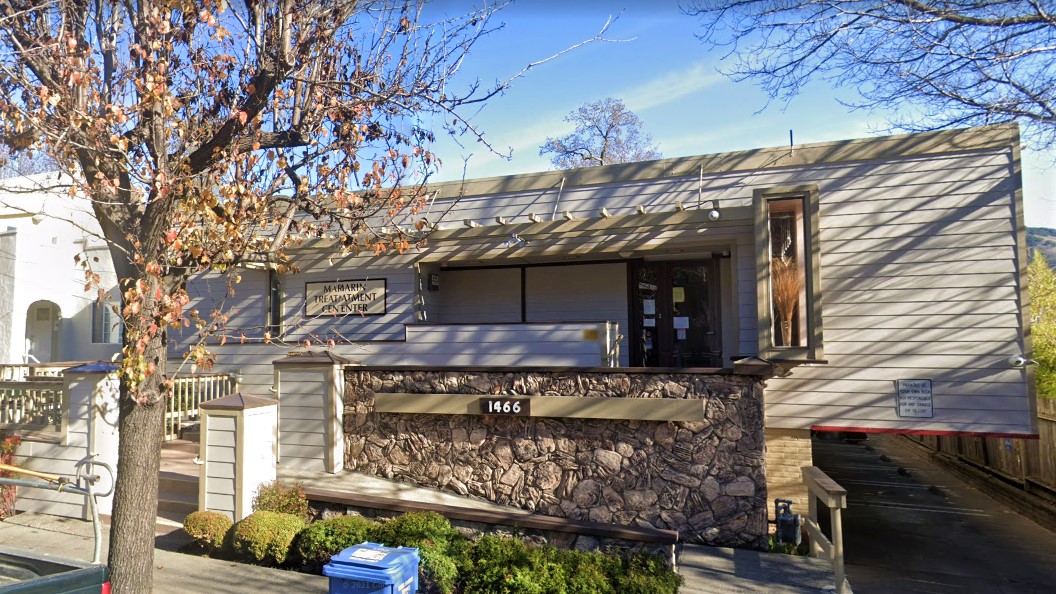
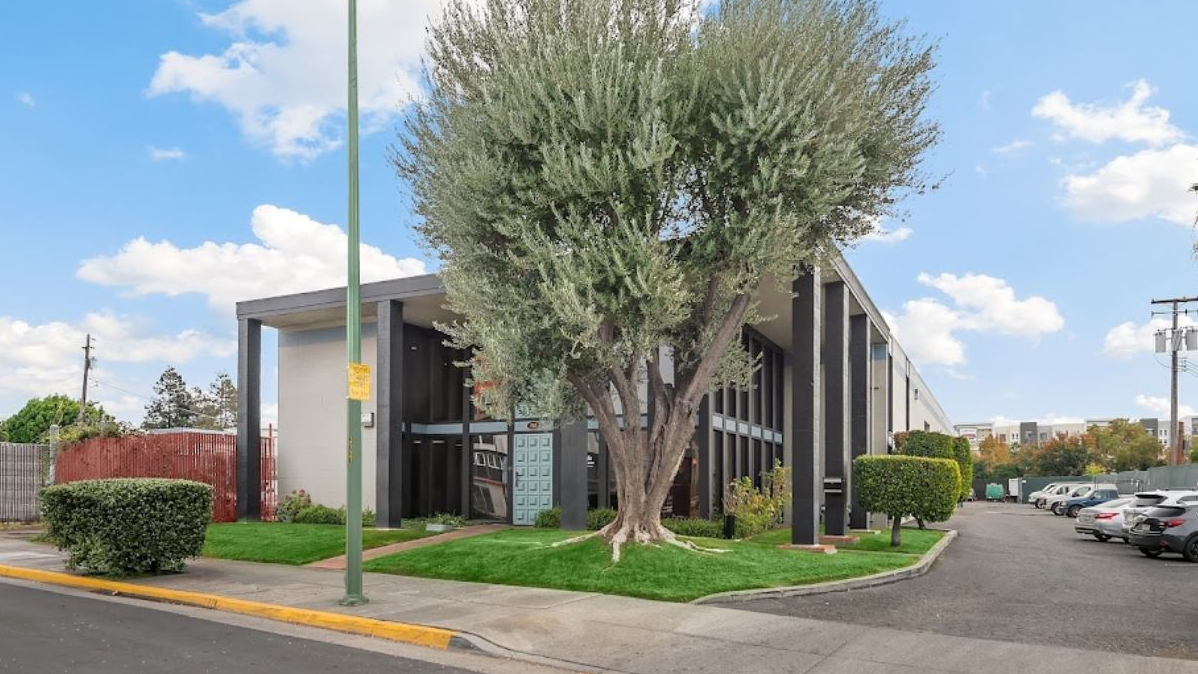



| Name | Address | Detox Service Setting | Levels Of Care | Media |
|---|---|---|---|---|
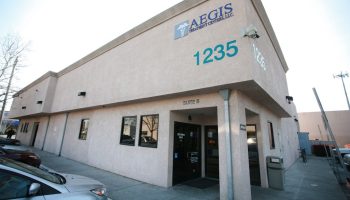
Aegis Treatment Centers Modesto |
1235 McHenry Avenue Modesto, CA 95350 |
Detox Service Setting
Outpatient Detox
|
Levels Of Care
OutpatientAftercare
|
|
GPS Counseling Center for Addiction Treatment |
1101 Sylvan Avenue Suite C-103 Modesto, CA 95350 |
Detox Service Setting
Inpatient DetoxOutpatient DetoxMAT
|
Levels Of Care
InpatientOutpatientPHP+1
|
|
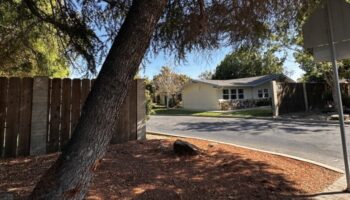
Lost Dreams Awaken DBA New Hope Recovery |
823 East Orangeburg Avenue Modesto, CA 95350 |
Detox Service Setting
Inpatient DetoxOutpatient Detox
|
Levels Of Care
InpatientOutpatientDual Diagnosis+1
|
|
Redwood Family Center |
1030 California Ave Modesto, CA 95351 |
Detox Service Setting
Inpatient DetoxOutpatient Detox
|
Levels Of Care
InpatientOutpatient
|
|
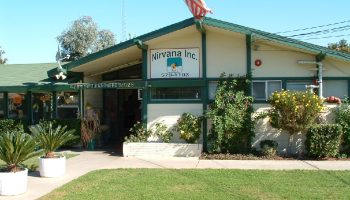
Nirvana Drug and Alcohol Men’s Program |
1100 Kansas Avenue Modesta, CA 95351 |
Detox Service Setting
Inpatient DetoxOutpatient DetoxMAT
|
Levels Of Care
InpatientOutpatientPHP
|
|
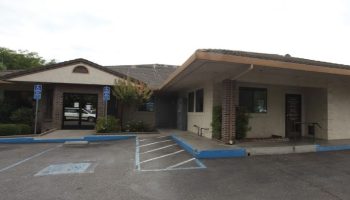
Aegis Treatment Centers Stockton California Street |
1947 North California Street Stockton, CA 95204 |
Detox Service Setting
Outpatient Detox
|
Levels Of Care
OutpatientAftercareDual Diagnosis
|
|
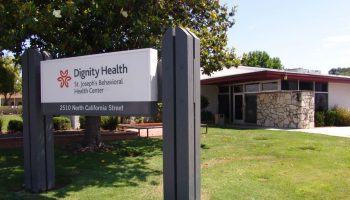
Dignity Health – St. Joseph’s Behavioral Health Center |
2510 North California Street Stockton, CA 95204 |
Detox Service Setting
Hospital DetoxInpatient Detox
|
Levels Of Care
InpatientOutpatientPHP
|
|
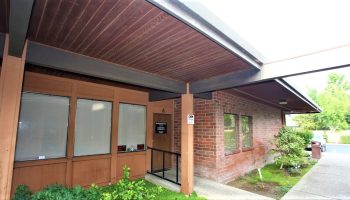
Aegis Treatment Centers – Healthy Connections |
541 South Ham Lane Lodi, CA 95242 |
Detox Service Setting
Outpatient DetoxMAT
|
Levels Of Care
OutpatientAftercare
|
|
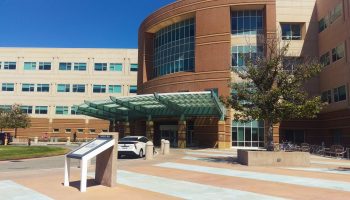
VA Palo Alto Health Care System Livermore Division |
4951 Arroyo Road Livermore, CA 94550 |
Detox Service Setting
Inpatient DetoxOutpatient DetoxMAT
|
Levels Of Care
InpatientPHPOutpatient+2
|
|
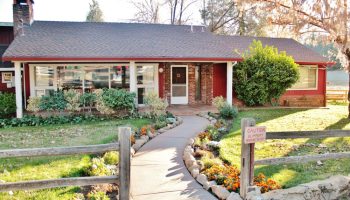
Maynord’s Recovery Center |
19325 Cherokee Road Tuolumne, CA 95379 |
Detox Service Setting
Inpatient DetoxMAT
|
Levels Of Care
Sober LivingInpatientAftercare
|
|
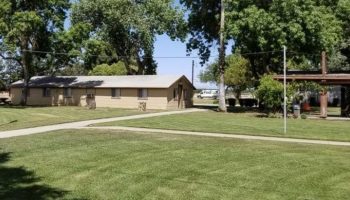
River City Recovery Center Mens Facility |
12490 Alta Mesa Road Herald, CA 95638 |
Detox Service Setting
Inpatient Detox
|
Levels Of Care
InpatientAftercareDual Diagnosis
|
|
Wellness Retreat Recovery Center |
10615 Crothers Road San Jose, CA 95127 |
Detox Service Setting
Inpatient DetoxOutpatient DetoxMAT
|
Levels Of Care
InpatientPHPAftercare+1
|

|
Newport Academy Pleasanton |
920 Happy Valley Rd Pleasanton, CA 94566 |
Detox Service Setting
Inpatient DetoxOutpatient Detox
|
Levels Of Care
InpatientOutpatient
|

|
Newport Institute |
227 Kilkare Rd Fremont, CA 94586 |
Detox Service Setting
Inpatient DetoxOutpatient Detox
|
Levels Of Care
InpatientOutpatient
|

|
San Jose Behavioral Health Hospital |
455 Silicon Valley Boulevard San Jose, CA 95138 |
Detox Service Setting
Inpatient Detox
|
Levels Of Care
InpatientIntensive OutpatientOutpatient
|
|
Modesto’s detoxification landscape bridges essential public safety nets with private clinical care. Regulated primarily by the California Department of Health Care Services (DHCS) and locally overseen by Stanislaus County Behavioral Health and Recovery Services (BHRS), the system focuses heavily on expanding Medication-Assisted Treatment (MAT) and crisis stabilization.
The county received approximately $28.7 million in Opioid Settlement Funds and is developing a 24/7 Respite and Stabilization Center. This important funding will expand the Evaluation and Medication Access Clinic (EMAC) to address the immediate needs of residents experiencing withdrawal.
Understanding the county’s centralized intake process is crucial when searching for a detox center in Modesto.
The primary gateway for Medi-Cal beneficiaries and individuals without insurance coverage seeking placement at a public facility, such as the Stanislaus Recovery Center, is through the county’s centralized Access Line.
Concentrated along the McHenry Avenue corridor or near Kansas Avenue, major treatment providers such as Aegis Treatment Centers and the Center for Human Services are easily accessible for individuals without a vehicle via the Modesto Area Express (MAX) transit system.
The Central Valley is heavily impacted by the illicit fentanyl supply, making low-barrier access to care a top priority. Fortunately, local organizations have deployed critical harm reduction initiatives such as naloxone vending machines and fentanyl and xylazine test strip distribution to help those in the underserved neighborhoods in Modesto.
Because state-funded residential detox programs often have wait times, these evolving public health strategies help individuals who are in need of critical medical stabilization.
For many people considering treatment, the cost is often a major concern. Cost varies based on many factors; however, financial solutions and local public health safety nets can help you to receive quality care regardless of your background.
The cost of detox in Modesto can vary due to several factors. These include the severity of the withdrawal symptoms and where services are provided, such as in a hospital, residential facility or outpatient setting. Additionally, medical complexity, length of stay and medication needs can also impact the total cost of care.
Thankfully, there are ways for Modesto residents to reduce their personal expenses by using commercial insurance, Medi-Cal or county-funded programs.
One way to help manage recovery while still maintaining daily responsibilities is through outpatient MAT programs that include counseling, support and the use of prescribed medications such as methadone or buprenorphine. Keep in mind that the cost of an outpatient MAT program depends on the specific medication being used.
Estimated average costs in California before insurance are:
Yes. Under the federal Affordable Care Act and the California Mental Health Parity Act (SB 855), private insurance companies must cover mental health and substance abuse treatment at the same level as other medical benefits. This includes medically necessary detox. To ensure compliance, the California Department of Insurance oversees the policies.
Before starting treatment, verify that the Modesto area facility you are interested in is in-network with your insurance provider to minimize your personal costs.
The most common commercial insurance companies in Modesto include:


Medicare covers inpatient and outpatient alcohol and drug detox in Modesto. Under Part B, it also covers Opioid Treatment Program (OTP) services, including methadone, buprenorphine and naltrexone. Copays and deductibles will depend on factors such as the treatment setting, the specific services received and your Medicare plan.
In California, Medicaid is known as Medi-Cal. It is managed locally through plans like the Health Plan of San Joaquin or Health Net. Medi-Cal covers inpatient detox, outpatient withdrawal management and MAT. Keep in mind that accessing these services in Modesto typically requires an assessment through Stanislaus County BHRS.
Cost should never be a barrier to getting alcohol rehab or drug detox in Modesto. There are several alternative ways to pay for addiction treatment without private health insurance:

Many Federally Qualified Health Centers (FQHCs) in the Central Valley, such as Golden Valley Health Centers, offer sliding fee scales based on household income and federal poverty guidelines.
Modesto features several faith-based and secular nonprofits that offer low-cost or free recovery programs, including the Salvation Army Modesto and the Modesto Gospel Mission.
Stanislaus County BHRS utilizes state funding and Opioid Settlement Funds to provide access to the Evaluation and Medication Access Clinic (EMAC) for uninsured or underinsured county residents.
Veterans in Modesto can access specialized addiction treatment funding and coordinated care through the Modesto VA Clinic on Oakdale Road, backed by federal VA resources.
In Modesto and throughout the state, several key regulatory and accreditation bodies oversee detox and withdrawal management services including:
DHCS is the primary state licensing and certifying authority for substance use disorder treatment facilities in California. It issues licenses for all programs, including residential and outpatient detox programs. It also monitors for compliance with state and safety codes and oversees the Medi-Cal behavioral health system.
BHRS is the local regulatory and administrative arm for Modesto. It manages the county public substance use treatment network, as well as overseeing contracted Medi-Cal providers and facilitating the centralized intake system. It also ensures that the state mental health and addiction care standards are met.
CDPH is a broader public health tracking and harm reduction department in Modesto. It is responsible for overdose epidemiological monitoring, funding local syringe exchange programs and oversight of the state’s standing order for naloxone distribution.
In Modesto, medication-assisted treatment (MAT) is regulated at the federal level by SAMHSA and locally by DHCS. In California, Narcotic Treatment Programs (NTPs) are required to adhere to strict state protocols regarding security, dosing and mandatory concurrent counseling services.
To allow Modesto residents to safely manage their withdrawal symptoms remotely at home or through outpatient medical supervision, certified doctors can prescribe buprenorphine at community clinics or through telehealth.
To prescribe methadone, NTPs, such as Aegis Treatment Centers in Modesto, are highly regulated and restricted. Individuals receiving methadone treatment must visit the clinic daily for supervised dosing during the initial phases of treatment. Medi-Cal coverage makes it accessible for low-income residents.
As a non-narcotic and non-addictive medication, naltrexone requires no special controlled-substance licensing. It is available with a standard prescription for both opioid and alcohol use disorders and is frequently integrated into standard outpatient care throughout Stanislaus County.
In response to the Central Valley’s illicit drug supply, Modesto and Stanislaus County have developed a growing network of harm reduction measures to mitigate the severe risks these dangerous drugs pose for the community.
The goal is to keep people safe and alive by helping to prevent fatal overdoses, the spread of infection and by creating touchpoints for unbiased healthcare.
Free naloxone (Narcan), sterile syringes and drug testing strips are provided by organizations throughout the county and other local coalitions. For those in marginalized populations, this serves as a bridge to detox and comprehensive treatment.
This initiative maintains a directory of local pharmacies that offer naloxone without a prescription and oversees secure medication disposal bins to prevent prescription drug diversion across the community. It provides extensive education on opioid safety to the public through critical county partnerships.
Marginalized and vulnerable populations in Modesto and the Central Valley are served by the MoPride Center. Its broader LGBTQ+ health and advocacy work offers sterile syringes and drug-checking tools, funded in part by county grants.
Aegis, a major Narcotic Treatment Program in Modesto, works in partnership with local public health agencies to offer free, anonymous community initiatives, including Naloxone Vending Machines outside its clinic facility 24/7. Naloxone is an opioid reversal medication that, when used during an opioid overdose, can save a life.
Local first responders and community organizations can receive state-funded Narcan through the county’s Public Health Division.
As the prime mover behind evaluating and funding overdose prevention and local health equity programs, as well as tracking current overdose spikes, this public health division provides critical safety measures in Modesto.
Data from Stanislaus County reveal that the Central Valley is facing a critical public health crisis driven primarily by synthetic opioids. This data highlights the urgent need for expanded detox and harm reduction services in Modesto.
Reflecting a local crisis that must be addressed, drug related deaths in Stanislaus County surged by 22% between 2022 and 2023. (Stanislaus County Board of Supervisors Report)
In 2023, 156, or 73% of all overdose deaths in Stanislaus County, were directly related to opioid drugs. (Stanislaus County Board of Supervisors Report)
On average, in 2023, Stanislaus County lost 4 to 5 community members every week, reflecting the human toll that drug overdose deaths are having on the region.
Stanislaus County BHRS offers an access line at 1-888-376-6246, providing centralized intake, initial substance use assessments and direction to county-contracted providers for uninsured or Medi-Cal members. Stanislaus Recovery Center is contracted with the county to provide medically necessary treatment when beds are available.
Yes. Through the Center for Human Services and the Pathways to Well-Being program, Stanislaus County offers services that are specific to adolescents. For teenagers experiencing substance use and co-occurring mental health disorders, the program provides specialized assessments, early intervention, and outpatient care.
Yes. Individuals without personal transportation can use the Modesto Area Express (MAX) bus system to get to major corridors like McHenry Avenue, where many treatment facilities are located. You can also get assistance with transportation for intensive residential treatment admissions with the help of BHRS case managers.
County funded, EMAC is a specialized outpatient clinic in Modesto. It offers medication-assisted treatment (MAT), withdrawal management, assessments and crisis intervention. For individuals experiencing alcohol or opioid use disorder they can help them navigate the treatment process.
Yes. In fact, both fentanyl and xylazine test strips are legal to use and serve as important harm reduction tools that allow you to anonymously check your drug supply for potentially deadly adulterants. You can get them for free through community organizations such as MoPride and county public health partnerships.


Cary has more than three decades of nursing expertise as an LPN and holds a bachelor’s degree in Liberal Arts. She is also working toward a Master’s degree focused on public health policy. Her professional journey has been dedicated to addressing healthcare disparities for both adults and children.